Halloween is full of things that seem perfectly normal once October arrives: children knocking on strangers’ doors, people carving faces into pumpkins, and entire families dressing up as monsters. But these traditions did not simply appear because people wanted a spooky night. Many grew out of old beliefs, seasonal celebrations, and practical ways of dealing with fear, food, and community life. Understanding their origins makes today’s Halloween celebrations even more interesting.
Jack-o’-Lanterns Started With Turnips
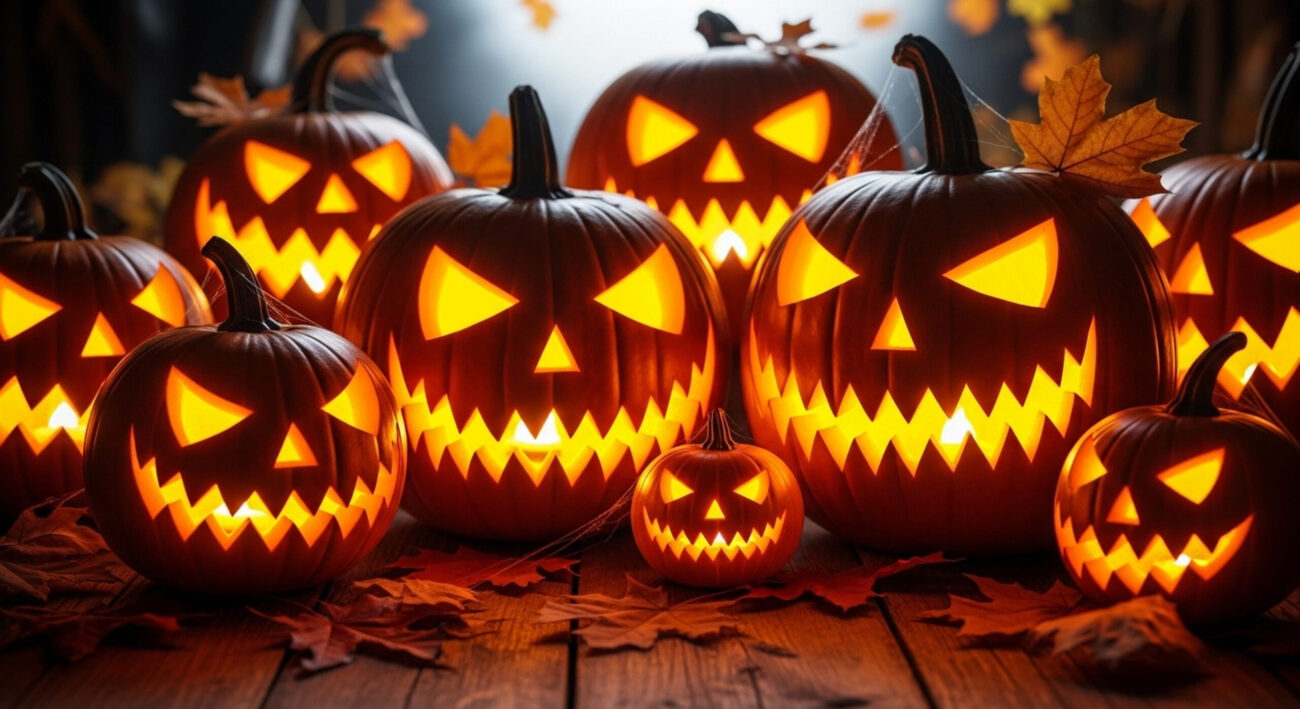
Before pumpkins became Halloween stars, people in Ireland were carving much smaller vegetables.
The tradition of carving frightening faces into vegetables is associated with Irish folklore and the legend of Stingy Jack, a man said to have tricked the Devil and been left wandering with a burning coal inside a hollowed-out turnip. People carved their own lanterns, using the eerie faces to ward off unwanted spirits. The tradition traveled with Irish immigrants to America, where pumpkins offered a larger, softer, and easier vegetable to carve. The Library of Congress explains how the jack-o’-lantern tradition developed.
Costumes Were Once About Protection
Today’s superhero outfits and vampire capes have roots in much older fears.
Halloween costumes often trace back to ancient Celtic celebrations, particularly Samhain, a festival marking the transition from harvest to winter. Some historical accounts describe people wearing disguises because they believed spirits could roam among the living during this period. Dressing up was connected to the idea of avoiding recognition by supernatural beings.
Over centuries, these customs evolved alongside Christian observances and European folk traditions. Modern costumes have become far more playful, but the connection between disguises and Halloween’s supernatural atmosphere remains. The HISTORY account of Halloween’s origins explores how these older beliefs influenced the holiday.
Trick-or-Treating Was Not Always About Candy
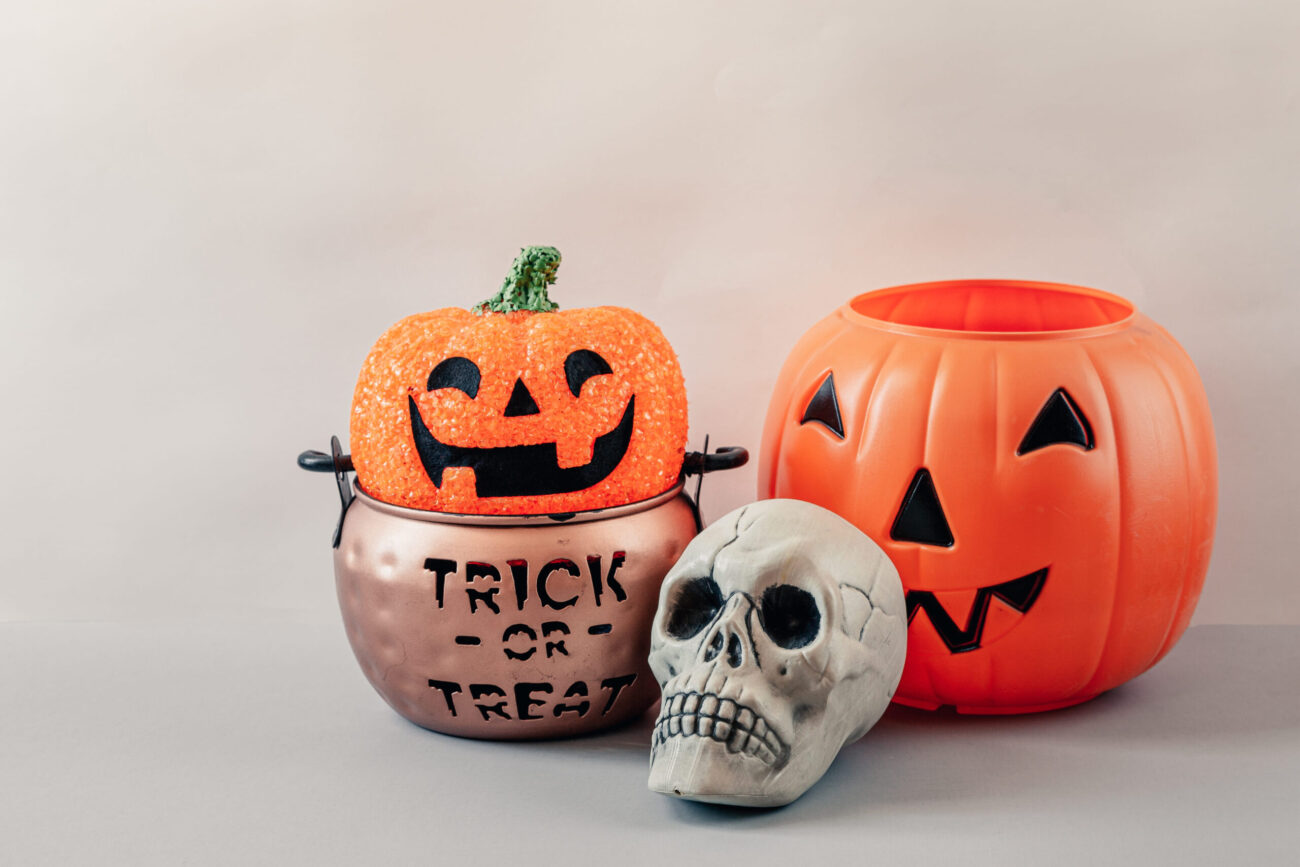
Children once knocked on doors for reasons unrelated to chocolate bars.
One historical predecessor to trick-or-treating was a medieval practice called souling. In parts of Britain, poorer people visited households and received small cakes called soul cakes in exchange for prayers for deceased relatives. In Scotland and Ireland, guising involved dressing up and performing songs, jokes, or verses in return for food or other gifts.
These traditions gradually changed as communities developed their own Halloween customs. In the United States, modern trick-or-treating became especially popular after World War II, when candy companies began marketing individually wrapped sweets as convenient Halloween treats. The Smithsonian Magazine’s history of trick-or-treating explains how the practice evolved.
Related: 9 Things You Should Never Do When Handing Out Halloween Candy
Halloween Parties Helped Tame the Mischief
Organized celebrations helped make Halloween more enjoyable for entire neighborhoods.
Halloween was not always the family-friendly celebration many people recognize today. In parts of America during the nineteenth and early twentieth centuries, pranks could include moving property, damaging fences, and causing other neighborhood disruptions. As communities became concerned about destructive behavior, organized parties and supervised activities offered alternatives.
Schools, community groups, and families helped transform Halloween into a celebration built around games, costumes, and shared entertainment. The shift demonstrates how communities can reshape traditions without losing their sense of fun.
Autumn Harvests Helped Shape Halloween Foods
Pumpkins, apples, nuts, and other seasonal ingredients made practical sense long before they became festive decorations.
Halloween developed around the time of year when the harvest ended in parts of Europe. Seasonal produce naturally featured in autumn gatherings, while apples and nuts became ingredients in games, snacks, and celebratory dishes. Pumpkins eventually became especially recognizable because they were useful for both cooking and carving. These harvest connections help explain why Halloween menus still feature pumpkin desserts, apple treats, and warming seasonal flavors.
Halloween Was Once a Night for Fortune-Telling
Long before costume contests, some Halloween customs focused on predicting the future.
In parts of Ireland and Scotland, Halloween traditions included games and rituals intended to reveal information about romance and marriage. Apples, nuts, mirrors, and other household objects featured in different forms of fortune-telling. Some young people believed that particular games could offer clues about a future spouse.
These practices reflected older folk beliefs about the significance of seasonal transitions. Although most people treat Halloween fortune-telling as entertainment today, the tradition shows how the holiday once blended social gatherings with beliefs about the unknown.
Candy Corn Was Not Always a Halloween Essential
One of America’s most recognizable Halloween sweets originally had a much broader autumn identity.
Candy corn became popular in the late nineteenth century, when its three-color design resembled kernels of corn. Early marketing tied the candy to harvest imagery rather than exclusively to Halloween. As trick-or-treating grew in popularity during the twentieth century, candy corn found a natural place among seasonal sweets.
Today, its sweetness and distinctive appearance make it a familiar October purchase, even though opinions about its flavor remain divided. Its history illustrates how a product can become strongly associated with a holiday through changing shopping habits and seasonal marketing.
Why These Traditions Still Matter
Halloween’s lasting appeal comes from how easily old customs adapt to new generations.
Carved pumpkins, costumes, harvest foods, and door-to-door treats have changed considerably over time, yet each gives people a way to celebrate together. Some traditions began in folklore, others developed from religious observances or community concerns, and many became popular through everyday social customs.
The next time you carve a pumpkin or fill a bowl with candy, remember that these familiar activities carry centuries of cultural change behind them.
Which Halloween tradition surprises you most now that you know its story?