Some dinners did more than fill a plate. They brought everyone to the table, filled the kitchen with familiar aromas, and turned an ordinary evening into a small family ritual. Meatloaf, pot roast, and tuna noodle casserole often feel like old-fashioned home cooking, but their stories are more complicated than simple nostalgia. Major recipe publishers still feature these dishes, so they are better described as classics worth rediscovering than meals that have disappeared.
Food history offers a little context, too. In A Meatloaf in Every Oven, authors Frank Bruni and Jennifer Steinhauer discuss meatloaf’s role in stretching meat during the Great Depression and its place in 1950s cooking. Food historian Heather Arndt Anderson also traces tuna casserole recipes to printed examples from 1930. These dishes have histories worth exploring, even if no national survey records which families served them on a particular night.
Meatloaf With a Ketchup Glaze
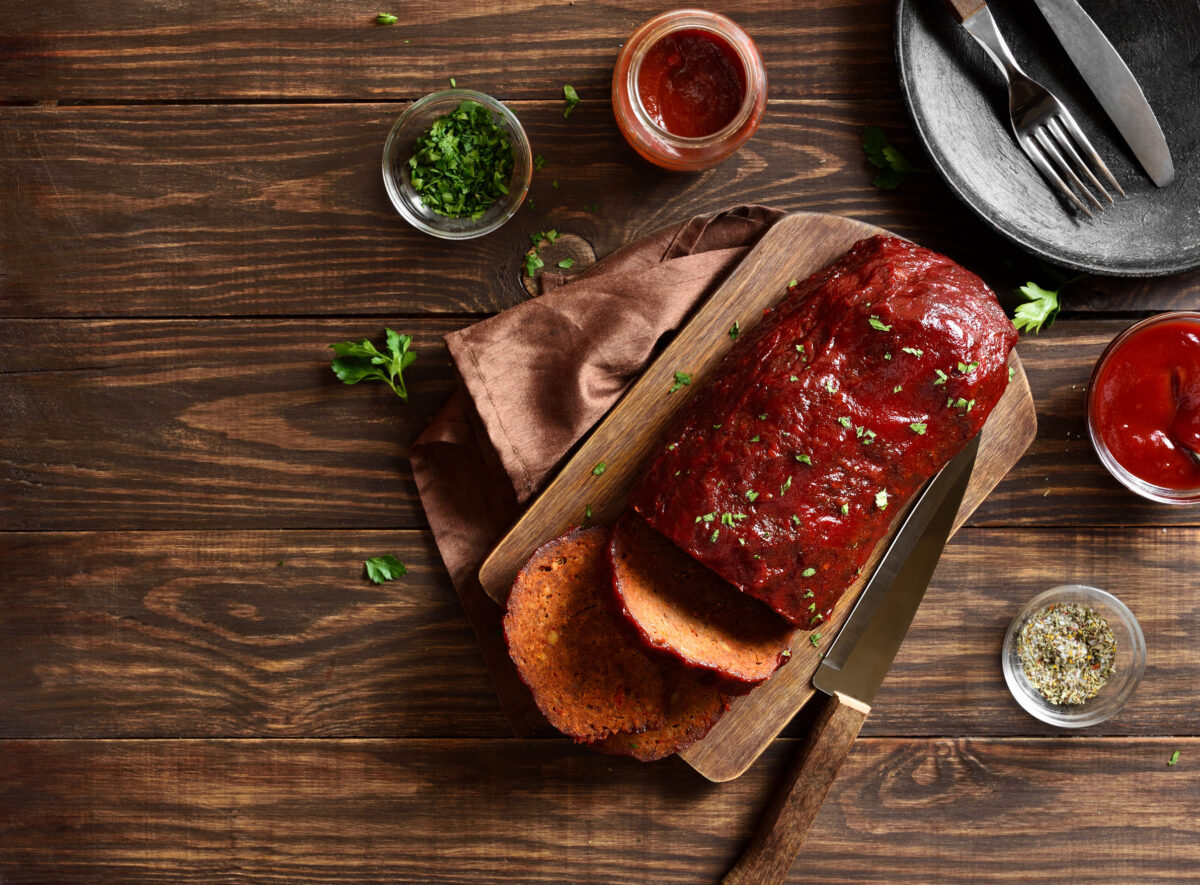
Few dinners look as familiar as a meatloaf emerging from the oven with a glossy ketchup topping. Betty Crocker’s traditional version combines ground beef, chopped onion, eggs, breadcrumbs, Italian seasoning, milk, and ketchup, then adds another layer of ketchup near the end of baking. Its published recipe serves six and lists a total cooking time of 1 hour and 20 minutes.
The appeal is in its straightforward preparation and the way a single loaf can be sliced into individual portions. Meatloaf also has a documented place in American home cooking, although personal memories of who made it and when will differ from family to family.
Related: Explore 15 comforting ground beef recipes for more ideas built around this versatile ingredient.
Pot Roast With Carrots and Potatoes
Pot roast rewards patience. Beef. It’s What’s For Dinner publishes a version using a 2½- to 3½-pound cross-rib chuck roast, carrots, red-skinned potatoes, onions, beef broth, tomato paste, and thyme. The method begins by browning the beef, then simmering it before adding the vegetables.
The published recipe calls for roughly 1 hour and 45 minutes to 2 hours of initial simmering, followed by another 45 minutes to an hour with the vegetables. That makes it an afternoon project, letting the pot do its work rather than a last-minute dinner. Its enduring appeal is easy to understand, even if not every household has reserved it for Sunday.
Salisbury Steak With Onion Gravy
Despite its name, Salisbury steak is not an intact steak cut. In Allrecipes’ version, ground beef is mixed with breadcrumbs, an egg, and condensed French onion soup, then shaped into patties. The remaining soup is combined with flour, ketchup, water, Worcestershire sauce, and mustard powder to make the accompanying sauce.
The recipe offers a familiar skillet dinner with rich onion flavor and room for mashed potatoes or another simple side. Betty Crocker offers a variation that adds chopped mushrooms and thyme to the patties, showing the dish has more than one established interpretation. Choose a recipe and follow its ingredient list instead of mixing the two versions.
Swiss Steak
Swiss steak offers a different kind of beef dinner, relying on a long simmer rather than a quick sear. Betty Crocker’s recipe divides the beef into six serving pieces, coats them with flour, ground mustard, and salt, then browns them before simmering with tomatoes and garlic. Onion and bell pepper join the pan toward the end.
The recipe calls for about 1 hour and 15 minutes of simmering before the final vegetable-cooking stage, plus another five to eight minutes for the vegetables. Despite the name, this version is not steak topped with Swiss cheese. Its defining feature is slow-cooked beef in a tomato-based sauce.
Tuna Noodle Casserole
Creamy, practical, and easy to portion, tuna noodle casserole is another classic with a documented history. Campbell’s current recipe combines canned tuna, cooked egg noodles, condensed cream of mushroom soup, milk and peas, with optional pimientos and a buttered breadcrumb topping. The published version serves four and takes 45 minutes in total.
Food historian Heather Arndt Anderson identifies a 1930 Sunset magazine recipe called “Noodles and Tuna Fish en Casserole.” Campbell’s cream of mushroom soup arrived in 1934, helping make the familiar shortcut version possible. The timeline matters: the earlier printed recipe means Campbell’s should not be credited with inventing tuna casserole itself.
Chicken à la King
Chicken à la King turns already-cooked poultry into a creamy skillet meal. Betty Crocker’s version combines chicken or turkey with mushrooms, green bell pepper and pimientos in a sauce made from butter, flour, milk and chicken broth. The recipe serves six and lists a total preparation time of 30 minutes.
It can be served over rice or toasted baguette, with egg noodles offered as another option. Because the recipe starts with cooked poultry, don’t mistake that 30-minute estimate for the time needed to cook raw chicken from scratch. It is a useful way to give cooked chicken or turkey a different role at the dinner table.
Salmon Loaf
Salmon loaf offers a different route to an old-fashioned main dish. Chicken of the Sea’s foodservice recipe combines pink salmon from a 40-ounce pouch with eggs, whole-wheat breadcrumbs, minced onion and celery, ketchup, Dijon mustard, dried parsley, dill, smoked paprika, and milk. The formulation is designed for 16 servings rather than a single small household portion.
The published method calls for baking at 375 degrees Fahrenheit for 45 minutes, or until the loaf is firm. The instructions describe slicing each loaf into eight portions and mention a sauce, but the retrieved ingredient list doesn’t provide the sauce’s full formulation. That detail should be checked before attempting to reproduce the entire recipe.
Stuffed Bell Peppers
Stuffed peppers turn an ordinary vegetable into a single-serving dish. Betty Crocker’s version uses four large bell peppers filled with ground beef, onion, cooked rice, garlic and tomato sauce, then finished with mozzarella. The published recipe lists four servings and 55 minutes in total.
The preparation has several distinct stages: the peppers are briefly boiled, the beef mixture is cooked separately, and the filled peppers are baked before the cheese is added. The result is easy to portion at the table, while the filling can be adapted in other recipes. For the specific Betty Crocker version, however, stick to its documented ingredients and method.
Pork Chops With Mushroom Sauce
This final dish relies on a short ingredient list rather than an elaborate sauce made from scratch. Campbell’s Tasty 2-Step Pork Chops uses four boneless pork chops, each ½ inch thick, vegetable oil, condensed cream of mushroom soup, and water. The published recipe serves four and lists a total time of 20 minutes.
The chops are browned in a skillet, then returned to the pan to finish cooking in the mushroom sauce. Campbell’s publishes a separate pork-chop recipe using bone-in chops and golden mushroom soup, but that version has different ingredients and timing. Keeping the two formulations distinct makes the method easier to follow.
A Classic Dinner Can Still Find a Place at Your Table
These nine meals don’t prove every American family followed the same dinner schedule, nor do they show that all have vanished from modern kitchens. Their recipes remain documented in current publisher archives, while historical reporting helps explain how some became associated with particular eras of home cooking.
Choose one that brings back a personal memory, or try one simply because it sounds good. The best reason to revive an old dinner is not that everyone used to make it, but that it might deserve a place in your kitchen today.