Nothing ruins a peaceful evening quite like spotting a cockroach racing across your kitchen floor. One minute you’re getting a glass of water, and the next you’re wondering how many more are hiding behind the refrigerator. The frustrating part is that even a home that looks perfectly clean can attract these unwanted visitors.
According to the U.S. Environmental Protection Agency (EPA), cockroaches need three basic things to survive: food, water, and shelter. Remove those essentials, and your home becomes much less inviting. The good news is that keeping cockroaches away doesn’t always require expensive treatments or filling your house with chemical sprays.
A few practical changes to your everyday habits can make a noticeable difference. Here are eight simple ways to discourage cockroaches from moving in and making themselves comfortable.
Keep Your Kitchen Clean, Especially at Night
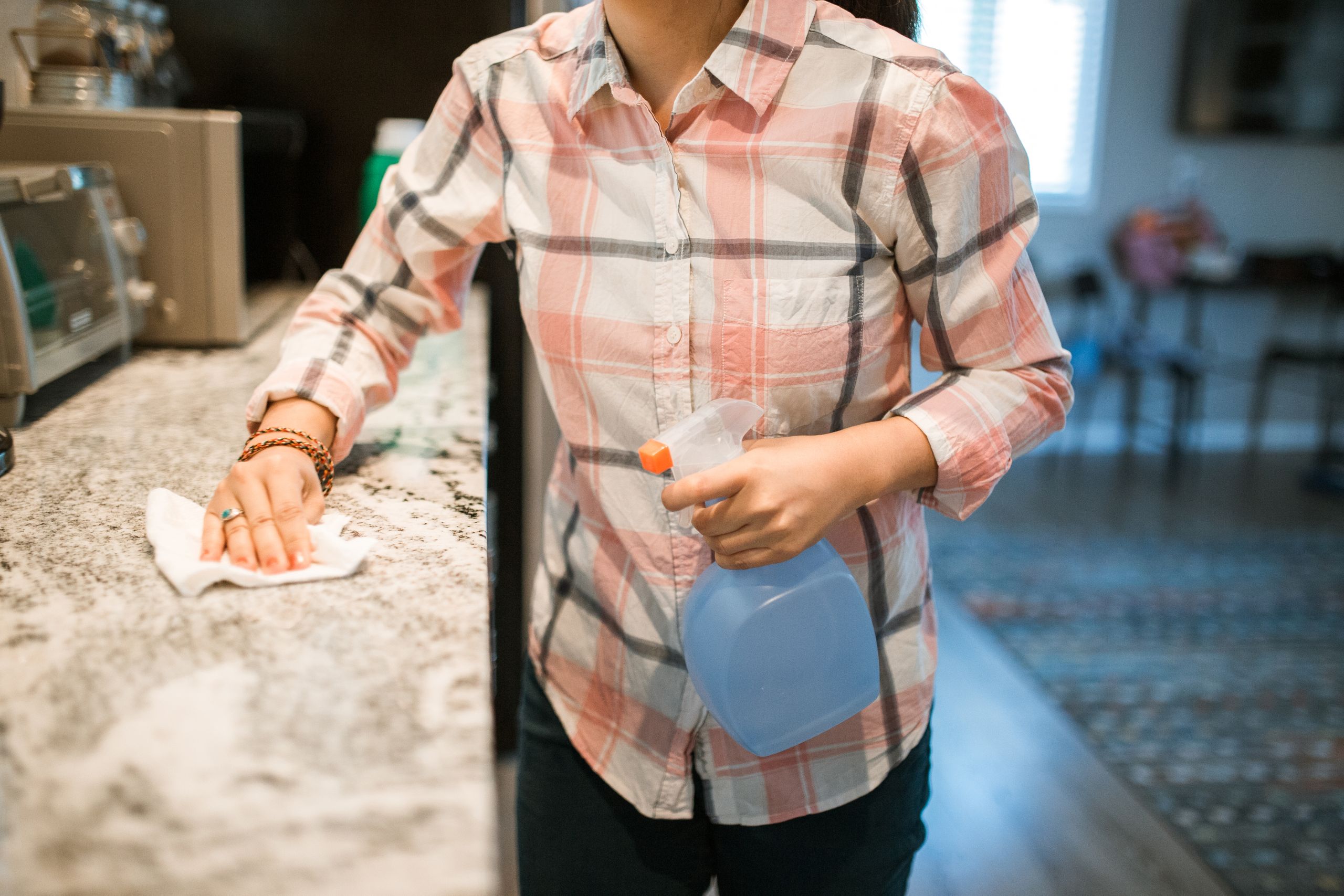
Your kitchen might look spotless during the day, but cockroaches are experts at finding what you’ve overlooked. A few crumbs under the toaster, grease behind the stove, or leftover sauce on a plate can give them something to eat.
Cockroaches generally prefer searching for food at night, which makes your evening cleaning routine particularly important. Wiping down countertops, washing dirty dishes, and sweeping the floor before bedtime can reduce their access to food.
Pay special attention to the spaces beneath appliances and inside cabinets. These areas often collect crumbs and spills that regular surface cleaning misses.
The University of California’s Integrated Pest Management Program recommends cleaning behind kitchen appliances and vacuuming cracks and crevices as part of effective cockroach prevention.
You don’t need to scrub your entire kitchen every evening. Removing food residue and keeping cooking surfaces clean can make your home less attractive to these pests.
Seal Every Crack and Opening You Can Find
Cockroaches don’t need an open front door to enter your home. Small gaps around pipes, damaged weatherstripping, and cracks near windows can provide convenient entry points.
Take a slow walk around your kitchen, bathroom, and laundry area. Look closely at places where plumbing pipes enter walls, beneath sinks, and around baseboards.
The EPA recommends sealing cracks and crevices around cabinets and baseboards to reduce pest entry and hiding places.
For appropriate small gaps, caulk can provide a practical solution. Installing door sweeps and repairing damaged window screens can also help block unwanted visitors.
Don’t forget areas behind cabinets and appliances, particularly where utility lines pass through walls.
In apartment buildings, cockroaches can sometimes move between neighboring units through structural openings. Sealing accessible gaps can help, although building-wide problems may require cooperation with property management.
A little effort spent closing these entry points may save you from dealing with a much bigger pest problem later.
Related Posts:Best Ways to Get Rid of Cockroaches in Your Home Permanently
Fix Leaky Faucets and Eliminate Standing Water
Food gets plenty of attention when people talk about cockroach prevention, but water is equally important.
That dripping faucet you’ve been meaning to repair could be providing cockroaches with a convenient water supply. Damp areas under sinks, condensation around appliances, and standing water can also make your home more welcoming to them.
The EPA recommends repairing plumbing leaks and removing excess moisture as part of its pest-prevention guidance.
Start by checking underneath kitchen and bathroom sinks for damp cabinets or leaking connections. Inspect areas around the dishwasher, washing machine, and refrigerator for accumulated water.
Wipe up spills promptly, and avoid leaving sinks filled with dirty dishwater overnight.
If your bathroom remains damp after showers, use available ventilation to help reduce lingering moisture.
These changes might seem small, but limiting water sources can make it harder for cockroaches to settle in.
Store Food in Airtight Containers
An open cereal box or loosely folded bag of flour might seem harmless, but accessible food gives cockroaches another reason to explore your pantry.
The problem isn’t limited to obvious leftovers. Cockroaches can take advantage of spilled dry goods and food particles hiding on pantry shelves.
Instead of keeping everything in its original packaging, transfer frequently used dry foods into tightly sealed containers.
Glass jars and sturdy plastic containers with secure lids work well for flour, rice, cereal, sugar, and similar pantry staples.
The EPA recommends storing food in sealed containers and keeping food scraps properly secured.
Check the pantry occasionally for spills, damaged packages, and crumbs that have collected behind stored items.
You don’t have to purchase an expensive matching storage set. Reusable containers that close securely work just as well.
Take Out the Trash Regularly
Your kitchen trash can might be one of the most attractive places in your home for a hungry cockroach.
Food scraps, discarded packaging, and sticky containers can provide easy feeding opportunities, especially when garbage sits overnight.
Start by choosing a trash can with a tight-fitting lid. Line it with a bag, clean up leaks and spills, and empty it regularly.
If you’ve thrown away meat packaging, food leftovers, or other messy scraps, take the garbage outside before bed.
Don’t overlook the trash can itself. Residue can collect around the rim, beneath the liner, and on the floor underneath.
Outdoor garbage containers also deserve attention. Keep lids closed, and don’t let spilled waste accumulate near entrances.
According to the University of California’s pest management guidance, covered garbage containers and regular waste removal are key to controlling cockroach activity.
Keeping trash contained won’t eliminate an established infestation on its own, but it removes an easy food source.
Get Rid of Cardboard Boxes and Unnecessary Clutter
That pile of delivery boxes in your garage might be useful for storage, but it can also hide cockroaches.
These insects favor sheltered areas where they can remain undisturbed. Stacks of cardboard, old newspapers, paper bags, and crowded storage spaces can create those conditions.
The EPA recommends removing unnecessary clutter because it gives pests places to hide and makes infestations harder to control.
Start with areas that rarely receive attention, such as closets, basements, laundry rooms, and the space beneath kitchen cabinets.
Recycle cardboard boxes you no longer need, organize loose belongings, and avoid storing unnecessary paper materials near food preparation areas.
When bringing packages, used furniture, or appliances into your home, inspect them for signs of cockroaches.
You don’t need a perfectly minimalist house. Fewer hiding places make it easier to spot pest activity and clean neglected areas.
A little decluttering can make your storage spaces more practical while removing potential cockroach shelters.
Don’t Leave Pet Food Sitting Out Overnight
Your dog or cat might enjoy having food available all evening, but cockroaches can take advantage of that, too.
Pet food provides another accessible food source, especially when bowls stay full in kitchens, laundry rooms, or other quiet areas.
The EPA recommends avoiding leaving pet food and water out overnight as part of an overall pest prevention strategy.
If your pet follows a scheduled feeding routine, remove leftover food after meals and clean the surrounding floor.
Store dry pet food in a secure container rather than leaving bags loosely folded in an open corner.
Wash food bowls regularly and sweep away kibble scattered during mealtime.
Of course, your pet’s feeding and hydration needs come first. Animals that require overnight access to food or water should not have those essentials withheld solely for pest control.
The goal is to manage accessible food without disrupting your pet’s care.
Use Sticky Traps to Catch Problems Early
Sometimes, even after cleaning and sealing entry points, you may still notice an occasional cockroach.
Instead of spraying every corner of your home, consider using cockroach sticky traps to see where the insects are traveling.
The University of California’s Integrated Pest Management Program recommends these traps for monitoring cockroach activity and identifying areas where control efforts should be concentrated.
Place traps along walls, beneath appliances, and near suspected hiding places, following the product’s instructions.
Check them regularly to see whether cockroaches are appearing in one particular location.
Sticky traps monitor activity, but they aren’t a complete solution for an established infestation. If activity continues, cockroach bait stations or professional pest control may be necessary.
UC IPM also advises against relying on foggers or bug bombs, which can create hazards without effectively reaching hidden infestations.
Finding the source is often more useful than repeatedly spraying wherever you spot a cockroach.
A Few Small Changes Can Make a Big Difference
Keeping cockroaches out of your home doesn’t require constant cleaning or expensive pest-control products. It’s about making your living spaces less appealing by removing food sources, reducing moisture, closing entry points, and eliminating hiding places.
Start with the easiest changes, like cleaning the kitchen before bed, storing food securely, and fixing a dripping faucet. If you continue seeing cockroaches, especially small ones appearing regularly indoors, don’t ignore the warning signs.
An established infestation may require professional treatment, particularly in apartment buildings where pests can move between units.
A comfortable home doesn’t need to be perfect. It just needs fewer opportunities for cockroaches to find the food, water, and shelter they need.
Posts You Might Like:
7 Proven Ways to Keep Your Kitchen Pest Free
The Most Cockroach-Infested Cities in America