Walk through Costco’s meat department, and you’ll find everything from family-sized packs of ground beef to fresh salmon, steaks, shrimp, and chicken. The warehouse giant moves enormous quantities of food, but even with loyal shoppers and competitive prices, not every package sells.
So, what happens when those steaks, fish fillets, and chicken breasts remain unsold? Does Costco throw them away, offer last-minute discounts, or find another purpose for them?
The answer involves several approaches that many shoppers might never notice. From food donations to prepared meals and animal feeding programs, Costco has developed ways to reduce waste while keeping food safety in mind.
Costco Doesn’t Automatically Throw Away Unsold Meat
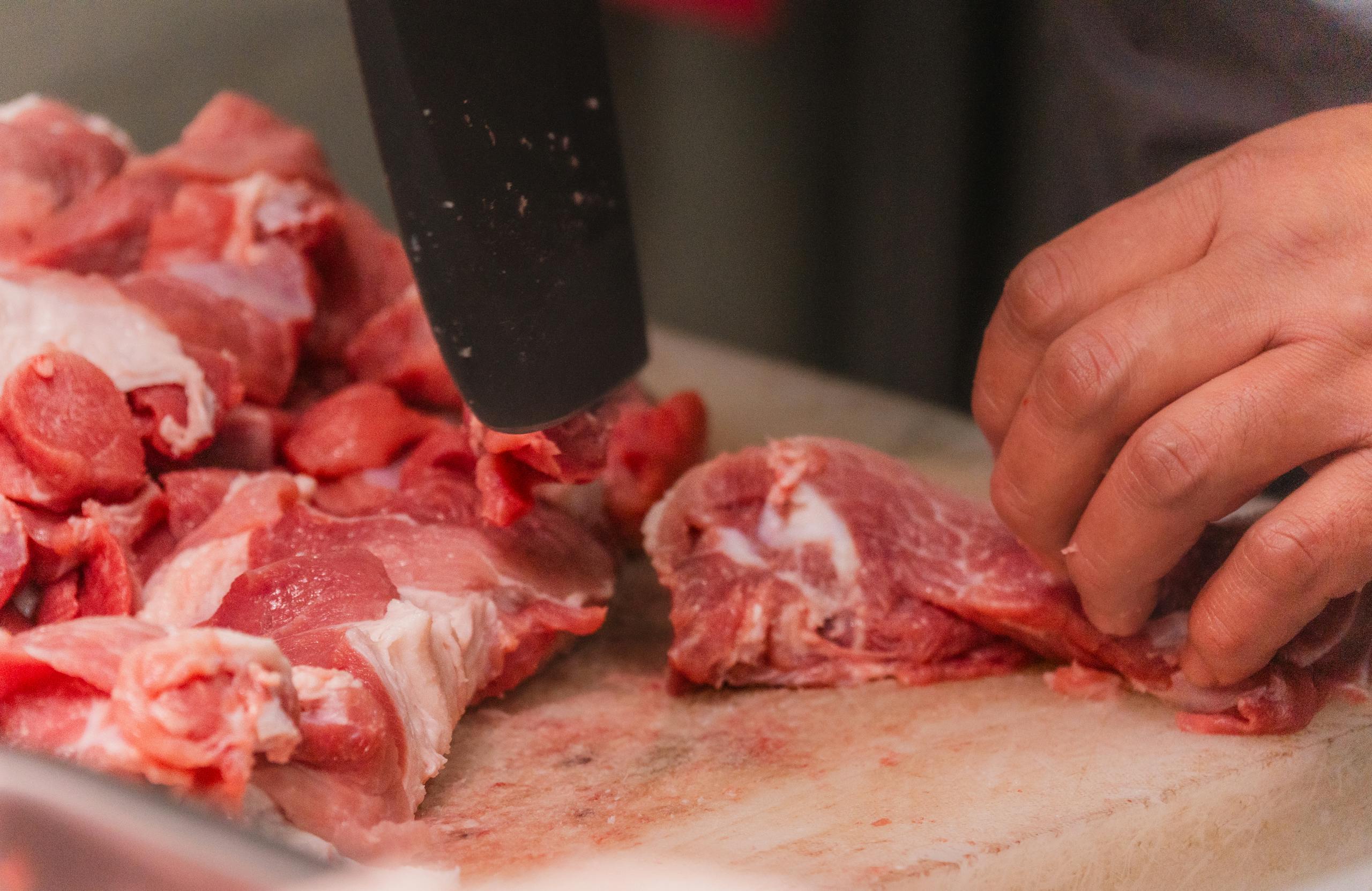
It’s easy to assume that meat left in the refrigerator at closing time eventually ends up in a dumpster. However, Costco’s published sustainability policies describe a broader approach to handling unsold food.
The company focuses on keeping usable products out of landfills whenever possible. Its food waste strategy includes repurposing ingredients, donating appropriate products, and sending certain organic materials to other facilities.
Of course, not every piece of meat can be saved. Fresh meat and seafood require careful handling, and unsafe food can’t simply be repackaged or donated.
Still, Costco’s approach reflects a larger effort to recover value from products that might otherwise go to waste.
Some Unsold Food Goes to Local Food Banks
One of Costco’s most important waste-reduction strategies is donating usable food to organizations serving people in need.
The company partners with Feeding America, the Global Food Banking Network, and local food banks to distribute eligible products. These relationships move food from store shelves to communities where it can still serve a purpose.
According to Costco’s 2025 Sustainability Report, the company donated approximately 223.4 million pounds of food globally during fiscal year 2025.
The report also shows that dairy and protein products accounted for 7.9% of its U.S. food donations. However, Costco does not publicly specify how much of that category consisted of meat or seafood.
For refrigerated products, donations depend on proper storage and safe handling. A package that stays within safe temperature limits is very different from one that sits in a warm shopping cart.
The key distinction is that unsold food isn’t necessarily spoiled. When products remain safe to eat, donation offers an alternative to disposal.
Related Post:The 7 Shocking Truth Behind Beef
Leftover Rotisserie Chickens Can Become New Meals
Costco’s popular rotisserie chickens offer one of the clearest examples of how the retailer gives unsold food a new purpose.
Instead of treating every unsold chicken as waste, the company uses suitable leftover chickens as ingredients in prepared foods sold through its deli.
Its 2025 Sustainability Report identifies chicken noodle soup, chicken pot pies, enchiladas, and fajita quesadillas among the dishes made using unsold rotisserie chickens.
Recipes can vary by location, depending on customer preferences and which products a warehouse offers.
This practice lets Costco use food that remains safe to eat while creating additional meals for shoppers.
It also explains why prepared dishes can play an important role in a retailer’s waste reduction strategy. Rather than selling an unsold chicken in its original form, Costco can incorporate it into a different product, provided food safety standards are maintained.
Unsold Ground Beef May Become Deli Favorites
Rotisserie chicken isn’t the only meat Costco can give a second life. Ground beef from the warehouse’s meat department may also become the main ingredient in prepared deli dishes.
Costco’s sustainability report specifically mentions stuffed peppers and meatloaf made using ground beef from U.S. meat departments.
In Canada, the company cites shepherd’s pie and stuffed bell peppers as examples of similar food-preparation practices.
These dishes allow suitable ingredients to be used without relying entirely on their original retail packaging.
However, Costco does not suggest that every package approaching its sell-by date automatically gets turned into a deli meal. Its examples describe established ways to use quality ingredients, not a guarantee that every unsold product will be repurposed.
What Happens to Unsold Fish and Seafood?
Seafood presents a different challenge because products such as salmon, shrimp, and fresh fish require particularly careful temperature control.
Costco’s sustainability disclosures describe food donation and waste-diversion programs that apply across food categories. However, they don’t provide a detailed, companywide breakdown of how much unsold seafood is donated, repurposed, or discarded.
That means shoppers should be cautious about assuming every unsold fish fillet follows the same path as leftover rotisserie chicken.
Seafood that remains properly handled and meets applicable donation requirements may be suitable for recovery. Products that cannot be safely used require a different outcome.
The distinction matters because unsold seafood isn’t automatically unsafe, just as a package’s appearance alone can’t prove it is safe.
Some Food Waste Helps Feed Animals
Not everything Costco diverts from landfills ends up on another person’s dinner plate.
The retailer also describes programs that send suitable organic materials to facilities that feed animals, including farms, zoos, and animal rescue centers.
This offers another potential destination for certain food materials that cannot be sold or donated for human consumption.
However, animal feeding has its own safety requirements and restrictions. Costco does not publish a universal policy saying every unsold meat or seafood item is sent to animal facilities.
The Environmental Protection Agency recognizes animal feeding as one way businesses can keep suitable food scraps out of landfills.
For Costco, these partnerships are part of a broader system designed to find practical uses for organic materials.
What Happens When Meat Can No Longer Be Used?
Despite Costco’s waste reduction efforts, some meat and seafood inevitably become unsuitable for sale, donation, or further food preparation.
Improper storage, temperature problems, contamination, and other safety concerns can make food unusable. In those situations, finding another recipe is not an acceptable solution.
Costco reports that some organic waste that cannot feed people or animals goes to composting or anaerobic digestion facilities.
Anaerobic digestion uses microorganisms to break down organic material and can produce biogas. Composting processes suitable organic waste into material that can be used to improve soil.
These options are not appropriate for every discarded product, and disposal may still be necessary.
The goal is to reduce avoidable waste without treating food safety as something that can be compromised.
Does Costco Mark Down Meat Before It Expires?
Shoppers sometimes report finding discounted meat at Costco, particularly around seasonal inventory changes or major holidays.
However, no publicly established guarantee exists that every warehouse will discount fresh meat or seafood before removing it from sale.
Markdown practices may vary by location, product, and inventory conditions.
For shoppers looking for a bargain, remember that a lower price does not automatically mean a product is unsafe.
According to the USDA, a sell-by date primarily helps retailers manage inventory. It is not necessarily an expiration date or a declaration that food becomes dangerous immediately afterward.
Proper refrigeration and handling remain essential.
Costco’s Food Waste Efforts Go Beyond the Meat Department
Costco’s broader waste reduction figures help explain why recovering unsold products matters to the company.
In fiscal year 2025, Costco reported diverting 82.8% of its total waste from landfills, exceeding its 80% diversion goal.
That figure includes various waste streams, such as recyclable materials and unsold products. It does not mean 82.8% of unsold meat or seafood was recovered.
The retailer says its approach follows the EPA’s Wasted Food Scale, which favors preventing waste, donating usable food, and creating new food products before turning to less preferred disposal methods.
Reducing waste can also help businesses manage disposal expenses and use food-production resources more effectively.
What Costco Shoppers Should Know
The next time you pass Costco’s refrigerated displays, remember that unsold products don’t necessarily have a single destination.
Some suitable food may reach local food banks, while other ingredients become prepared deli meals. Some organic materials can support animal feeding or waste-processing programs, while products that cannot be safely recovered must be discarded.
The outcome depends on the product’s condition, food safety requirements, and the programs available at each warehouse.
Ultimately, Costco’s approach is about finding a useful destination for unsold food whenever possible, without compromising safety.
Posts You Might Like:
6 Meats That Are Now Illegal to Eat in the United States