Grocery delivery to your doorstep feels like a lifesaver until you discover your shopping basket costs more than you expected.
Imagine ordering milk, eggs, bread, chicken, and a few pantry staples from your favorite supermarket. The prices look reasonable as you add everything to your cart. Then you reach checkout, and delivery charges, service fees, and other costs suddenly raise your grocery bill.
For busy families, older adults, and anyone trying to avoid a trip to the store, grocery delivery offers genuine convenience. But that convenience can come at a price that isn’t always obvious.
In the United States, concerns about online grocery pricing have attracted attention from consumer advocates and federal regulators. The Federal Trade Commission has been examining whether delivery platforms clearly disclose their prices and fees, highlighting a problem that could leave households paying more than they realize. Its official announcement about online grocery delivery fees explains why transparent pricing matters.
Your Groceries May Cost More Before Delivery Fees Even Appear
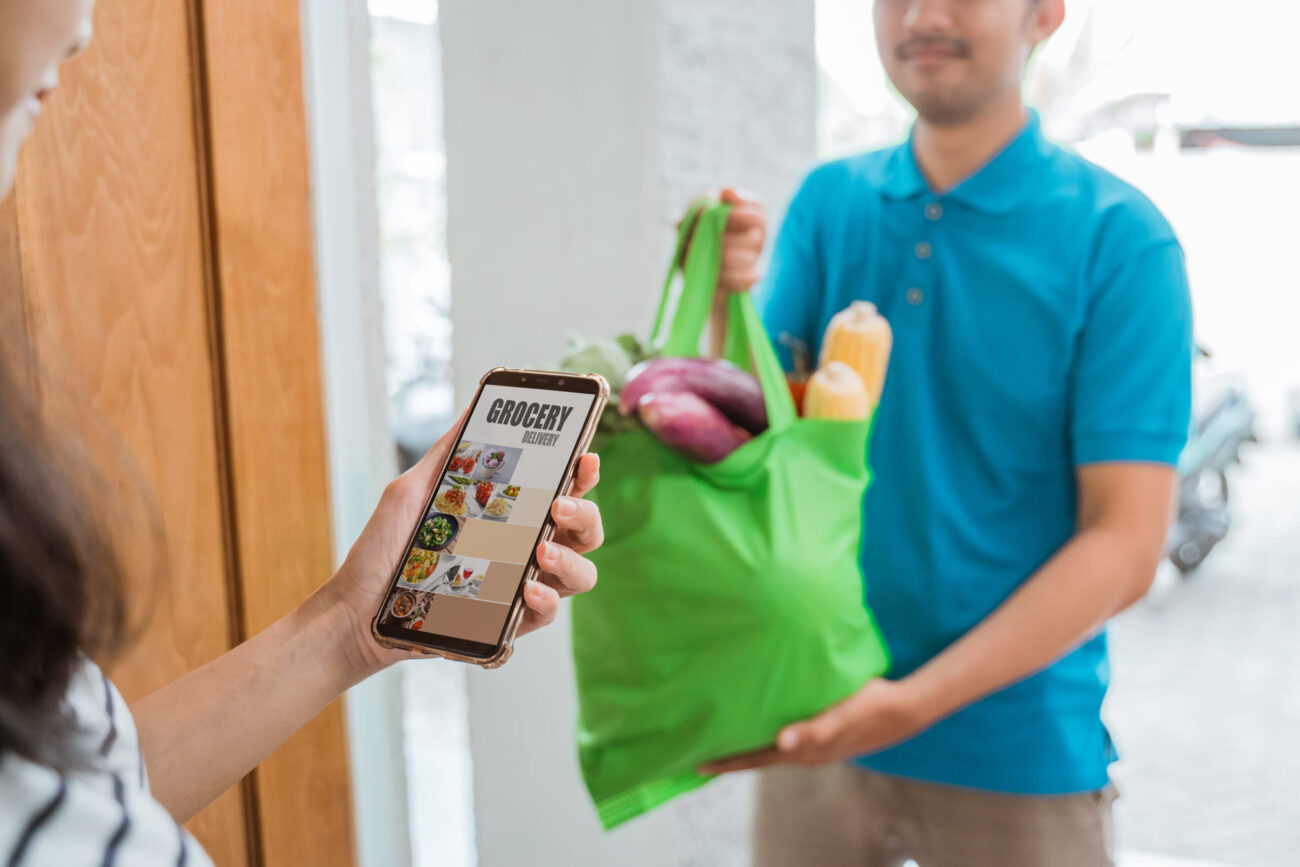
The biggest surprise may be hidden in the food’s price.
Many shoppers assume that ordering groceries online means paying the same prices they would find on supermarket shelves. However, prices can differ between a physical store and a delivery platform, depending on the retailer’s policies and the service being used.
For example, a carton of eggs might cost less in the store than through a third-party delivery app. The same difference can apply to milk, cereal, fresh produce, and household essentials.
Consumer Reports has previously documented substantial differences between Costco’s in-store prices and prices charged through its same-day delivery service. In its comparison, the delivered grocery basket cost Costco members 31% more overall. That figure comes from a specific shopping test, so it shouldn’t be treated as a universal markup across every retailer or delivery service. You can read the findings in its report on the cost of Costco grocery delivery.
The Extra Fees Can Add Up Quickly
A delivery order that looks affordable at first can become surprisingly expensive at checkout.
Delivery platforms may charge delivery fees, service fees, small-order fees, or other charges depending on the order and the service. Some fees vary according to location, order size, demand, or delivery arrangements.
Individually, these charges might seem manageable. Together, they can noticeably affect a household’s weekly food budget.
Imagine placing a $75 grocery order. If the service adds a $6 delivery fee and a $5 service fee, the total rises to $86 before any applicable taxes, tips, or other charges. That is an extra $11 for the convenience of having the groceries brought to your door.
The problem gets worse when customers discover mandatory fees only near the end of the ordering process. The FTC has raised concerns about charges that are unclear, inconsistently disclosed, or revealed late in checkout.
Before confirming an order, review the complete total and check whether the platform offers a cheaper delivery window, a pickup option, or a minimum-spend promotion.
Why Regulators Are Paying Attention
The debate is no longer just about whether delivery is expensive; it is also about whether customers understand what they are paying for.
In April 2026, the Federal Trade Commission sought public comment on whether additional rules were needed to address potentially unfair or deceptive fees associated with online food and grocery delivery services.
The agency asked how platforms disclose total prices, explain individual charges, and communicate when online prices differ from in-store prices. It also asked whether customers receive clear information about variable fees and other conditions that can increase the final cost.
This is important because shoppers cannot easily compare alternatives when the full price is unclear. A service that appears cheaper at the start of the transaction might cost more once every charge is included.
The FTC’s action was a request for public input on potential rulemaking, not a blanket ban on delivery fees. Nevertheless, it highlights growing attention to the way online platforms present prices.
Convenience Is Still Worth Something
Paying more for delivery is not automatically a bad decision if the service genuinely makes life easier.
Consider a parent juggling work and childcare, someone recovering from an injury, or an older adult who finds carrying heavy shopping bags difficult. For these households, grocery delivery can save time, reduce physical strain, and make essential food more accessible.
The key question is whether the added cost fits the household’s budget and delivers enough value.
For example, paying a delivery fee once a month for a large grocery order might make more financial sense than paying it several times a week for small purchases. A membership could also be worthwhile for frequent users, provided the savings exceed the subscription cost and any remaining fees.
If you regularly order groceries, keep track of your spending for a month. Include delivery charges, tips, subscriptions, and any price differences between online and in-store shopping. The total may show whether delivery helps your household or quietly stretches its budget.
Simple Ways to Keep Grocery Delivery Affordable
You do not have to abandon online shopping to protect your grocery budget.
Start by comparing the total cost of the same basket across different options. Check the supermarket’s own website alongside third-party delivery apps, and look for differences in product prices, promotions, and mandatory charges.
When practical, order a larger basket less often rather than placing several small orders. Just make sure you buy only what your household can use before the food spoils.
Store pickup can be another useful alternative. You order online, pick up the groceries yourself, and may avoid some delivery charges. Whether it saves money depends on the retailer’s pricing and pickup policies.
You can also make your grocery budget go further by planning meals around ingredients you already have. Most importantly, always review the final checkout screen before placing an order. If a fee is unclear, check the platform’s explanation or contact customer support rather than assuming it is unavoidable.
Related: 7 Alarming Ways Rising Costs Are Shrinking the American Grocery Cart
The Bottom Line
Grocery delivery can save time, but convenience should not come at the expense of understanding your grocery bill.
Higher online item prices, delivery charges, service fees, and subscription costs can all make shopping more expensive. The exact difference depends on the retailer, the platform, the location, and the order itself.
For some households, delivery remains a worthwhile expense. For others, pickup or an occasional supermarket trip may offer better value. The smartest approach is to compare the total cost before ordering and decide whether the convenience is worth it.
Now tell us: do you prefer having groceries delivered to your door, or do you find that shopping in person helps you save more money?