Dinner in the 1950s wasn’t always as simple as pulling up a chair and grabbing a plate. In some American homes, mealtime came with rules about when to sit, who got served first, what you could talk about, and even what you should wear. A regular Tuesday dinner could feel surprisingly close to a special occasion.
Of course, not every family followed the same routine. A 1950 instructional film called A Date with Your Family showed Americans an ideal version of family life, complete with polite children and carefully planned meals. Real households varied far more, but these ten traditions reveal how much ceremony could surround an ordinary dinner.
Everyone Was Expected to Be Ready When Dinner Started
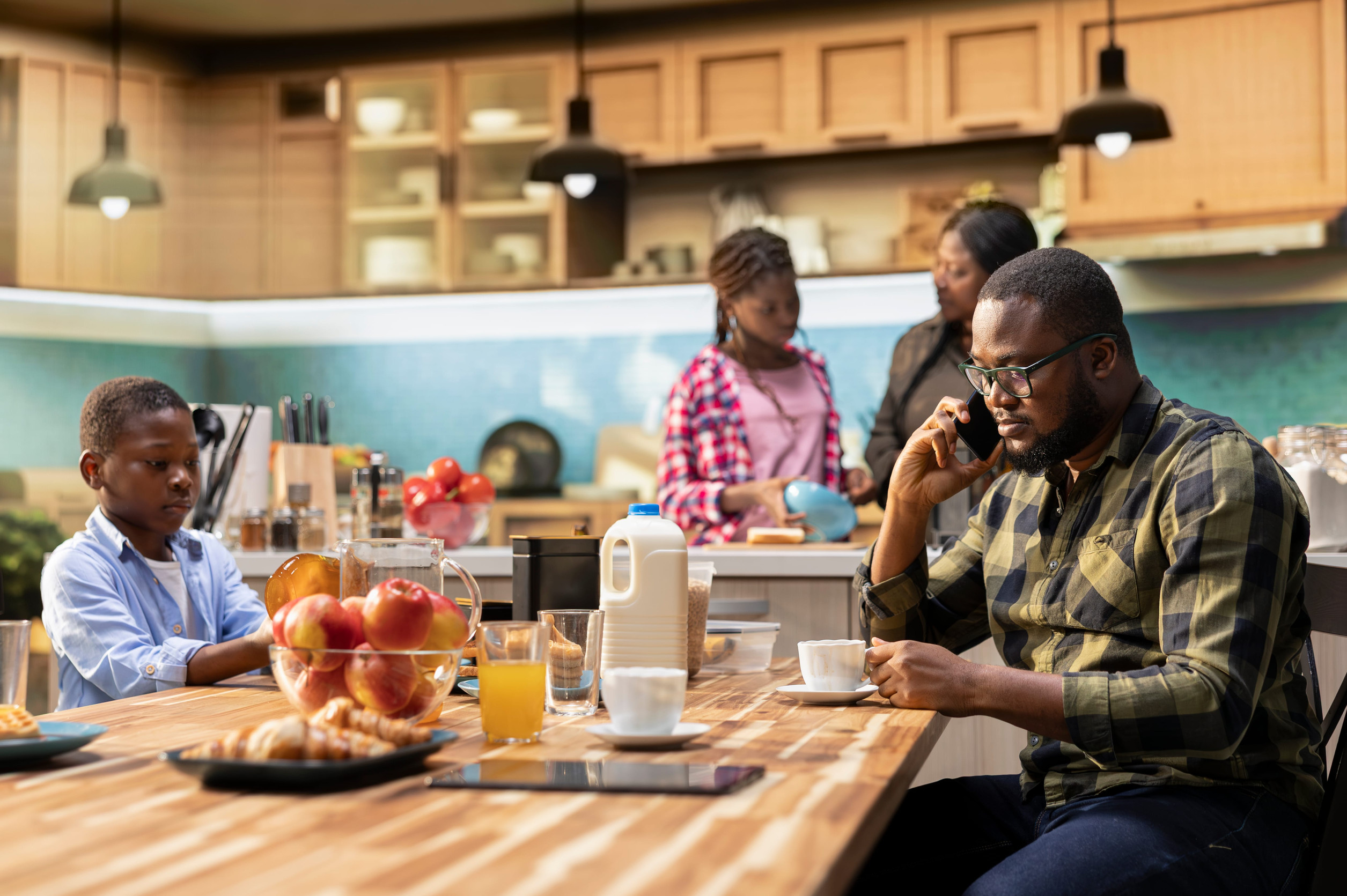
Forget wandering into the kitchen ten minutes after someone calls your name. In the 1950 instructional film, punctuality was a family responsibility.
The boys washed their hands and faces, combed their hair, and made sure they were ready before sitting down. Dinner preparations were also organized around their father’s return from work.
The idea was simple: Nobody should hold up the meal because they weren’t prepared.
Of course, families still value being on time. What’s different about this example is how carefully everyone was expected to coordinate their evening around one shared schedule.
Mom and Daughter Actually Changed Clothes for Dinner
If changing out of sweatpants before dinner sounds like too much effort, this one might make you smile.
In A Date with Your Family, the daughter changes out of her school clothes into something more festive. Her mother also changes out of her daytime clothes.
And there was a reason beyond simply feeling fresh.
The film suggested that women should appear relaxed, rested, and attractive when the men arrived for dinner. It reflected the traditional gender roles promoted in that particular household.
These weren’t necessarily fancy dresses or formal evening outfits. Still, the idea that women should dress to please the men at an ordinary family meal feels remarkably old-fashioned.
Dad Served Everyone in a Specific Order

Today, you might pass the mashed potatoes around or let everyone fill their own plates. But the family in the 1950 film had a more organized system.
Dad handled the portions.
He served his wife first, followed by his daughter, then the boys, and finally himself.
At one point, he even helped the youngest boy cut his meat.
This carefully arranged serving order reflected the family’s assigned roles. Dad controlled the portions, but that didn’t mean he got the first bite.
It was a surprisingly formal arrangement for a meal that wasn’t celebrating anything in particular.
Nobody Started Eating Until Mom Did
Your dinner could be sitting right in front of you, smelling wonderful, but you couldn’t start eating.
According to the film’s etiquette lesson, everyone waited until the father finished serving. Then the family followed the hostess, who happened to be Mom.
Only when she started could everyone else begin.
This rule hasn’t completely disappeared. The Emily Post Institute still recommends waiting for a host’s signal before eating, unless guests are invited to begin earlier.
What makes the older routine interesting is how strictly the film presents it. Even the first bite followed an established order.
Related:10 Things Grandkids Remember About Grandma Long After She’s Gone
Saying Grace Could Be an Important Family Ritual

For many religious families, dinner began with something more meaningful than asking someone to pass the bread.
It began with grace.
The 1950 film specifically acknowledged that many American families said a blessing before eating. The prayer gave everyone a moment to recognize their shared beliefs and express gratitude.
Naturally, this wasn’t universal. American families had different religious traditions, and some didn’t practice religion at all.
Grace remains important in many homes today. But for readers who grew up without a regular mealtime prayer, making it part of an ordinary weekday dinner might feel unfamiliar.
Related:6 Clever Excuses to Gracefully Escape a Date Without Drama
Keeping Your Elbows Off the Table Was Serious Business
Remember being told to keep your elbows off the table? That advice has quite a history.
Emily Post’s 1955 etiquette book offered detailed guidance about exactly where your elbows belonged.
While eating, Post discouraged resting an elbow on the table. But there was an interesting exception.
Post recognized that leaning forward on your elbows could sometimes be acceptable during conversation, especially when people sat far apart or struggled to hear one another.
So the famous rule wasn’t quite as absolute as some people remember.
The basic advice survives today, but the level of detail in older etiquette books shows just how closely table behavior could be examined.
Dinner Conversation Had to Stay Pleasant
Here’s one rule that might make modern family discussions a little quieter: Dinner wasn’t supposed to become a place for complaints.
The 1950 film encouraged children to participate in conversation, but discouraged certain subjects.
Arguments between siblings, unpleasant stories, complaints about money, and requests for bigger allowances were all poor dinner topics.
Parents could talk about their day, and children were encouraged to contribute without taking over.
The message was that dinner should remain pleasant.
It sounds peaceful until you realize that sometimes families need to talk about difficult things. Still, many households can appreciate the desire to keep mealtime calm.
Kids Helped Clear the Table Before Dessert
In some homes, finishing the main course didn’t mean dinner was over. It meant the second act was about to begin.
In A Date with Your Family, one of the sons helps remove the dinner dishes before dessert is served.
The film describes him as playing the role of a butler, giving his mother a break from serving.
It’s a charming little detail, especially because the same film otherwise emphasizes fairly traditional household roles.
Children still help clear tables today, of course. The unusual part is the almost restaurant-like transition between the main course and dessert during an ordinary family meal.
Even a simple dessert could become its own little occasion.
Younger Children Sometimes Ate at a Separate Table
Not every 1950s dinner brought the whole family together at one big table.
In a 2013 Smithsonian Magazine recollection, Mary Markey described family meals at her grandmother’s rural Georgia home during the 1950s and early 1960s.
Younger cousins ate at the kitchen table while adults and older family members gathered in the dining room.
Moving to the larger table became a milestone as the children grew up.
Her memories also reveal another interesting difference. The family’s biggest meal, called dinner, happened at noon. The evening meal, known as supper, was often lighter and included leftovers.
This reminds us that family traditions varied widely by household and region.
Some Families Started Eating Dinner From Aluminum Trays
Here’s a twist that doesn’t quite fit the familiar image of everyone gathered around a beautifully arranged table.
The 1950s also helped make television dinners famous.
Swanson introduced its frozen dinner in 1954, offering individual meals in disposable aluminum trays. According to Smithsonian Magazine, the company sold approximately 10 million trays during its first full production year.
The compartments kept different foods apart, something children reportedly appreciated.
These meals were heated in ovens, and their convenient packaging made eating in front of the television easier.
So, even as etiquette films promoted traditional family dining, a different way of eating dinner was already gaining popularity.
The television dinner wasn’t a later rebellion against the 1950s. It was part of the decade itself.
The Dinner Table Was Changing Even Then
It’s tempting to remember the 1950s as a time when every family sat together, dressed nicely, followed perfect manners, and enjoyed a peaceful home-cooked dinner.
But real life was never quite that tidy.
Some households embraced formal routines. Others worked around jobs, limited space, changing schedules, and different family traditions. Frozen dinners were already challenging the image of the perfectly arranged dining table.
And perhaps that’s the most interesting part. The rules around dinner have changed, but the bigger goal, sharing food, conversation, and time together, remains familiar. The plates may look different, but the memories made around them can last just as long.
Other Posts You May Like
- 8 Things Boomers Did at the Dinner Table That Families Rarely Do Now
- 11 Things Funeral Directors Wish Families Knew Before They Needed Them