Your refrigerator might be keeping some groceries fresh while quietly ruining others.
You come home from the grocery store, unpack everything, and start putting food away. Milk goes on the shelf, vegetables go into the crisper, and bread gets tucked beside the leftovers. It feels like the responsible thing to do, right?
Not always. Some foods lose flavor, develop an unpleasant texture, or struggle to ripen properly in the refrigerator. Others are perfectly happy in the cold, so knowing the difference matters.
Before you rearrange your kitchen, here are seven everyday foods you should keep out of the fridge, along with a few storage tricks to help you get more from your groceries.
Tomatoes
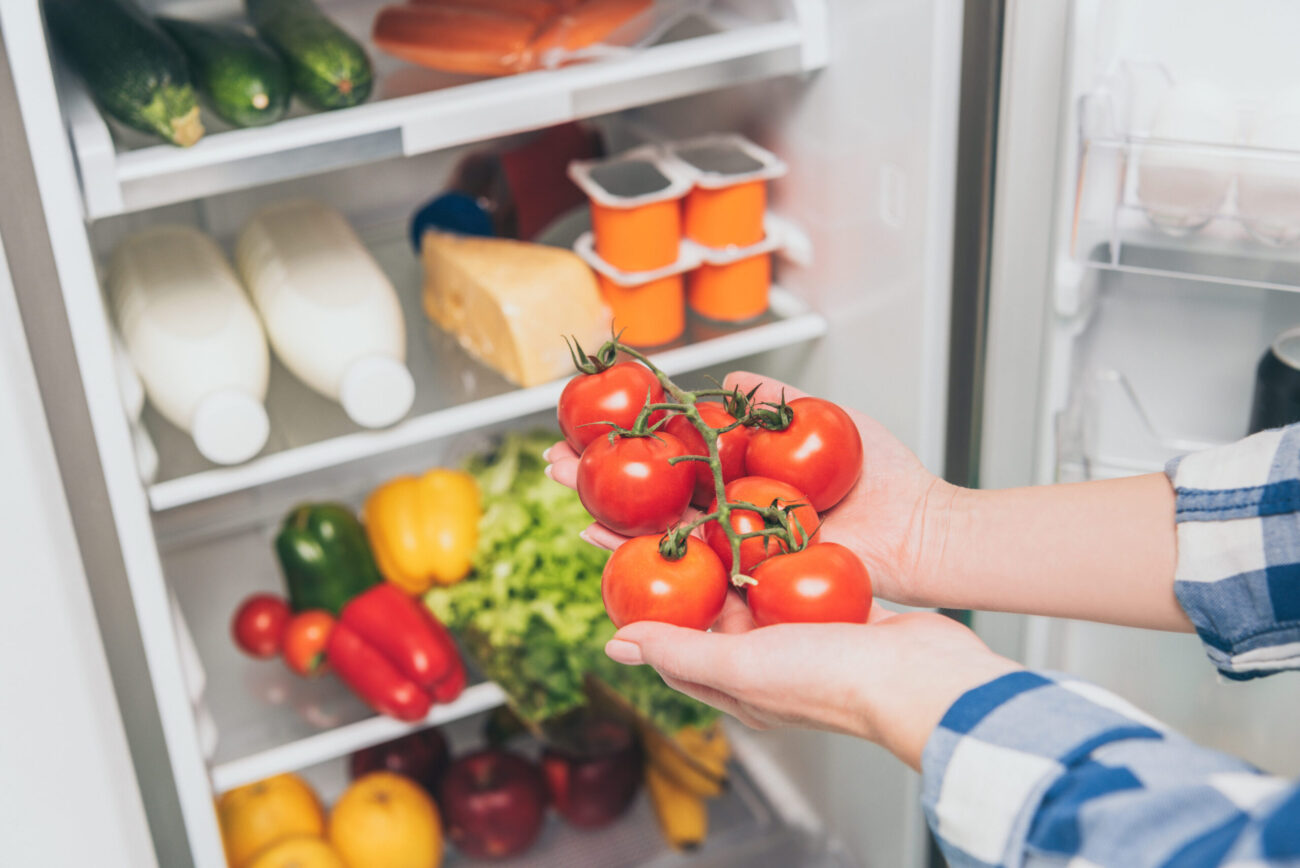
If your tomatoes taste disappointingly bland, the refrigerator could be part of the problem.
Whole tomatoes generally develop better flavor at room temperature, especially while they are still ripening. Cold temperatures can affect the compounds responsible for their characteristic aroma and taste, leaving them less enjoyable than a ripe tomato stored on the counter.
Keep unripe tomatoes cool, dry, and out of direct sunlight. Once they are ripe, use them promptly for salads, sandwiches, or homemade salsa.
Already cut a tomato? That is different. Refrigerate cut tomatoes in a covered container and use them promptly rather than leaving them at room temperature for extended periods.
Bread
That soft loaf can become stale faster in the fridge than you might expect.
Refrigeration accelerates starch retrogradation, one of the main reasons bread becomes firm and loses its fresh texture. Although refrigeration can delay mold growth, it often leaves bread less pleasant to eat.
If you expect to finish your loaf within a few days, keep it sealed in a cool, dry place and follow the manufacturer’s storage instructions. For longer storage, the freezer is usually a better choice than the refrigerator.
Slice the loaf before freezing so you can remove only what you need. A quick trip through the toaster can bring frozen slices back to life without wasting the rest.
Whole Onions
Onions prefer a dry, well-ventilated home rather than a damp refrigerator drawer.
Whole onions generally keep best in a cool, dry, dark place with good airflow. Excess moisture can encourage spoilage, while sealed plastic bags can trap humidity.
A breathable basket or mesh bag works well in a pantry, provided the onions are kept away from heat and direct sunlight. Avoid storing them directly beside potatoes, which release moisture and gases that can encourage onions to sprout or deteriorate sooner.
Once you peel or cut an onion, refrigerate it in a covered container. Keep cut onions separate from ready-to-eat foods and follow safe food-storage guidance.
Potatoes
Putting potatoes in the fridge might seem sensible, but it’s usually not the best storage strategy.
Cold temperatures can change the balance of sugars in raw potatoes. When you then fry, roast, or bake those potatoes at high temperatures, the extra sugars can contribute to darker browning.
Instead, store whole potatoes in a cool, dark, well-ventilated place. Keep them away from direct sunlight, which can cause greening, and avoid sealing them in airtight plastic bags.
A cupboard may work if it stays cool and dry, although a warm kitchen can shorten their storage life. Check potatoes regularly and remove any that are spoiling.
For food safety, discard potatoes that are extensively green, heavily sprouted, or bitter rather than trying to salvage them.
Bananas
Want bananas to ripen naturally instead of staying stubbornly green? Give them some room on the counter.
Unripe bananas generally ripen best at room temperature. Putting them in the refrigerator too early can disrupt normal ripening and darken the peel.
Keep bananas out of direct sunlight and away from excessive heat. If they ripen faster than you can eat them, move them to the refrigerator to slow further deterioration. The peel may turn brown or black, but the fruit inside can remain perfectly usable.
Got bananas that are already very ripe? Peel and freeze them for smoothies, banana bread, or homemade frozen treats. It is an easy way to rescue fruit that might otherwise end up in the bin.
Related: Stop Putting These Foods in the Fridge: Common Storage Mistakes That Are Ruining Your Groceries
Whole Avocados
A rock-hard avocado needs time to ripen, not a chilly refrigerator shelf.
Unripe avocados generally ripen best at room temperature. Refrigerating them too early can slow the process, leaving you waiting longer for the creamy texture you need for toast, salads, and guacamole.
Once an avocado yields slightly to gentle pressure, you can refrigerate it to slow further ripening. This gives you a little more time to use it before it becomes overly soft.
Need to speed things up? Place an avocado in a paper bag with a ripe banana or apple. These fruits release ethylene, a natural plant hormone that helps trigger ripening.
If you have already cut an avocado, refrigerate it promptly in a covered container. A little lemon or lime juice can help reduce browning, although it will not prevent it completely.
Honey
That jar of honey doesn’t need refrigerator space, even after you open it.
Honey naturally contains little available water and has characteristics that make it resistant to microbial growth when handled and stored properly. Refrigeration can encourage crystallization, making the honey thicker and more difficult to pour.
Keep honey tightly sealed in a clean container at room temperature, away from excessive heat and moisture. Always use a clean, dry spoon to avoid introducing water or food particles.
If your honey crystallizes, do not panic. Crystallization is natural and doesn’t automatically mean the honey has spoiled. Place the jar in warm water and stir gently until the crystals dissolve. Avoid overheating it, especially if you want to preserve its delicate flavor.
The Bottom Line
Better food storage starts with understanding what each ingredient actually needs.
Not every grocery item belongs in the refrigerator, and keeping everything cold does not automatically make it last longer. Whole onions, potatoes, unripe avocados, and tomatoes often do better at room temperature under suitable conditions, while bread generally benefits more from freezing than refrigeration.
Remember that storage recommendations can vary depending on ripeness, temperature, packaging, and whether food has already been cut. When in doubt, follow the product label and established food-safety guidance.
For more advice on keeping your kitchen organized and making everyday meals easier, visit FoodSafety.gov’s food safety guidance. A few small changes to your storage habits can help protect flavor, reduce waste, and make your grocery budget stretch a little further.
Now tell us: which of these foods have you been keeping in the refrigerator, and were you surprised to discover that it might be better stored somewhere else?