Americans have a talent for turning unexpected food combinations into beloved traditions. Marshmallows on vegetables? Absolutely. Fried chicken covered in syrup? Why not? Cheese that comes out of a spray can? Pass the crackers!
These foods might seem perfectly normal at an American dinner table, but some international visitors react very differently. From unusual breakfast combinations to desserts disguised as salads, here are 10 American favorites that can leave people from other cultures scratching their heads.
Biscuits and Gravy
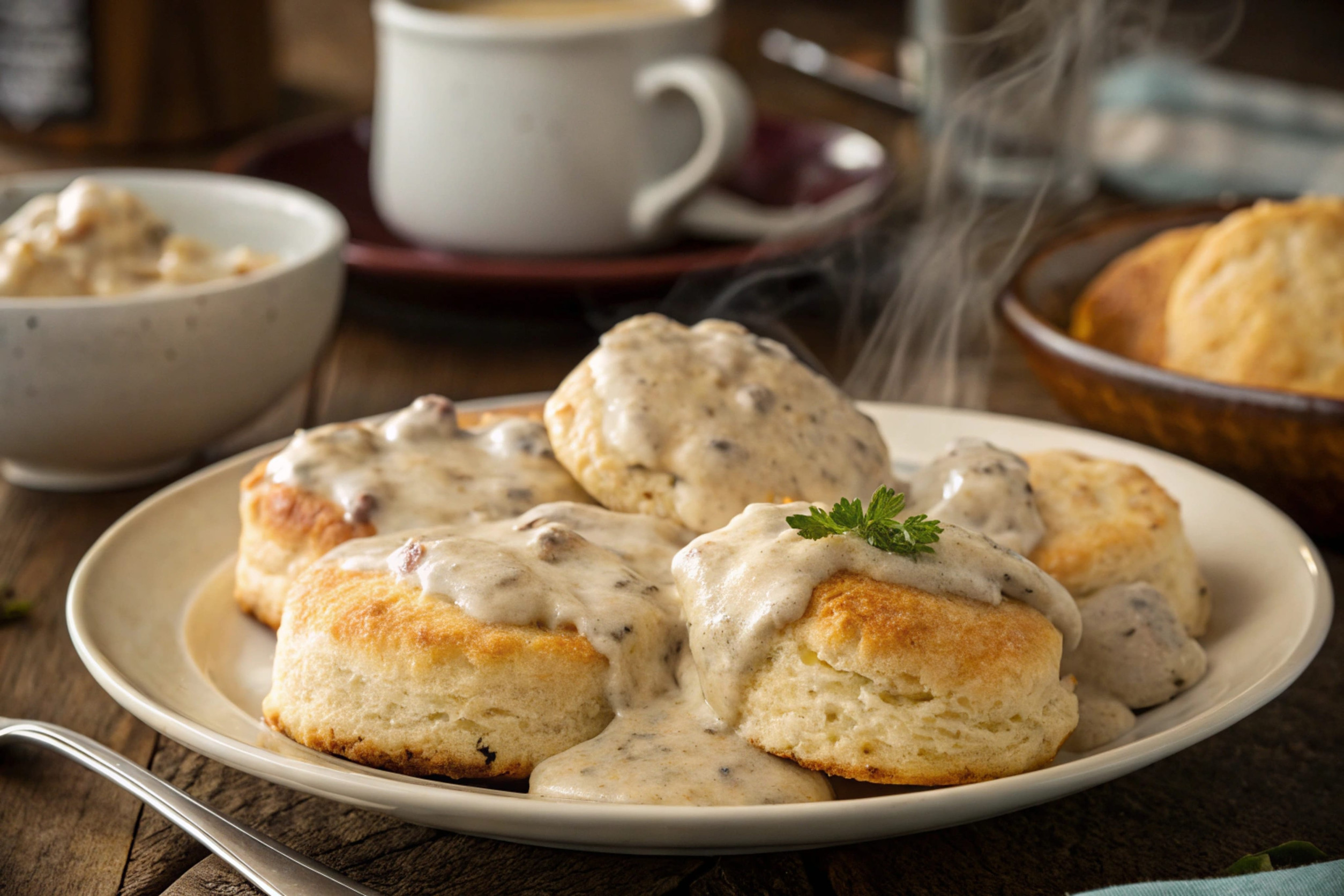
Imagine ordering biscuits for breakfast and receiving something completely different from what you expected. That’s exactly where the confusion begins for some British and Australian visitors.
In America, biscuits are soft, fluffy quick breads, not the crunchy cookies that the word describes in other countries. Add thick white gravy made with sausage, flour, and milk, and you’ve got a Southern breakfast classic.
Scottish chef Aefa Mulholland has described finding the creamy, gravy-covered dish puzzling. However, in the American South, biscuits and gravy have long been associated with hearty, affordable home cooking.
The funny part? What looks like an unusual breakfast to one person is pure comfort food to another.
Sweet Potato Casserole With Marshmallows
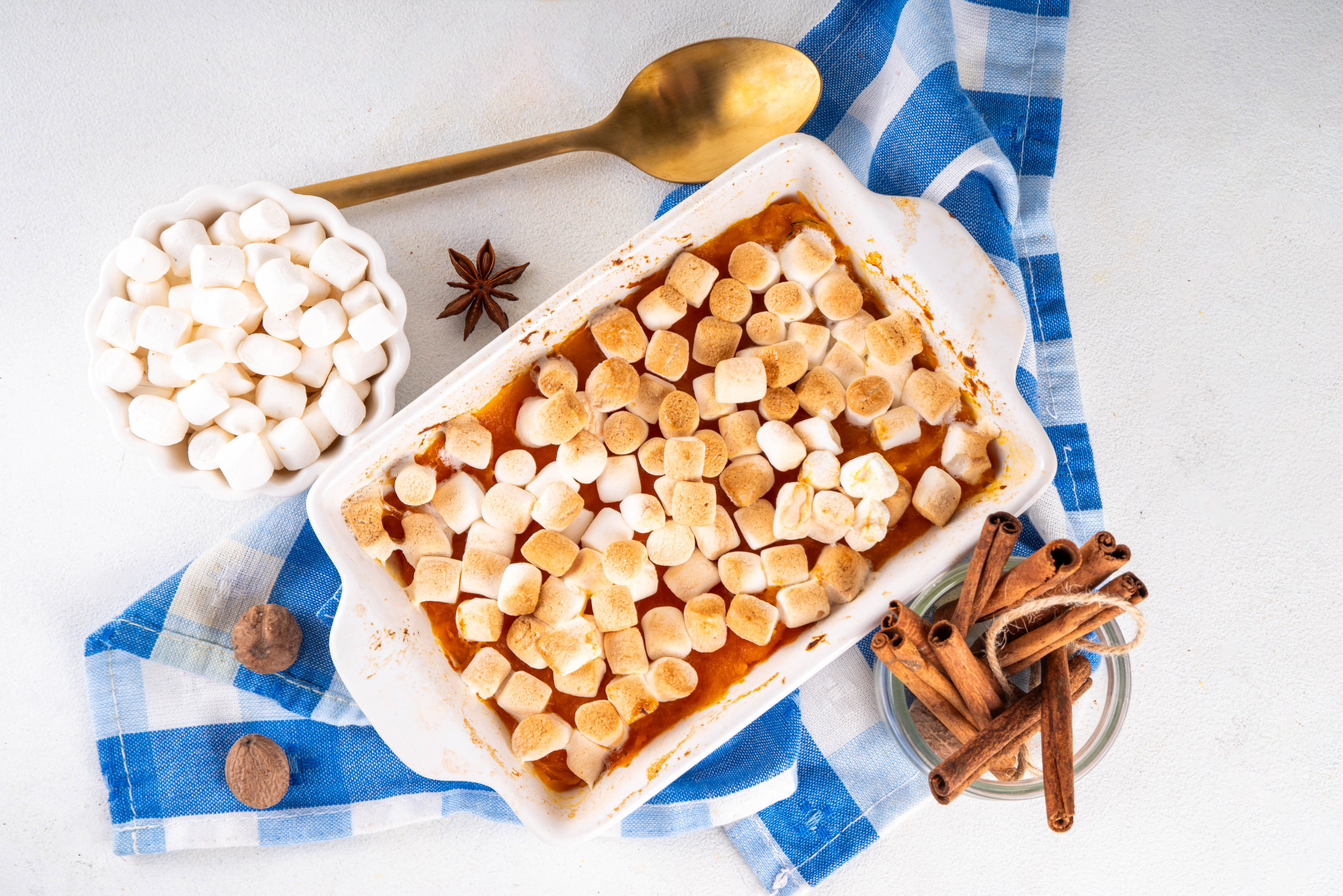
Sweet potatoes seem like a perfectly ordinary vegetable until Americans cover them with marshmallows and bring them to Thanksgiving dinner.
This holiday favorite typically combines mashed sweet potatoes, butter, sugar, and a topping of golden, toasted marshmallows. Despite tasting remarkably sweet, it usually appears alongside turkey and other savory dishes.
Mulholland recalled being surprised by the combination when she encountered it at Thanksgiving in Oregon.
Even more interesting, the marshmallow topping has a commercial backstory. According to Saveur, a 1917 promotional booklet from Angelus Marshmallows featured an early documented version of the dish.
So that sweet holiday tradition has a little marketing history baked into it.
Peanut Butter and Jelly Sandwiches
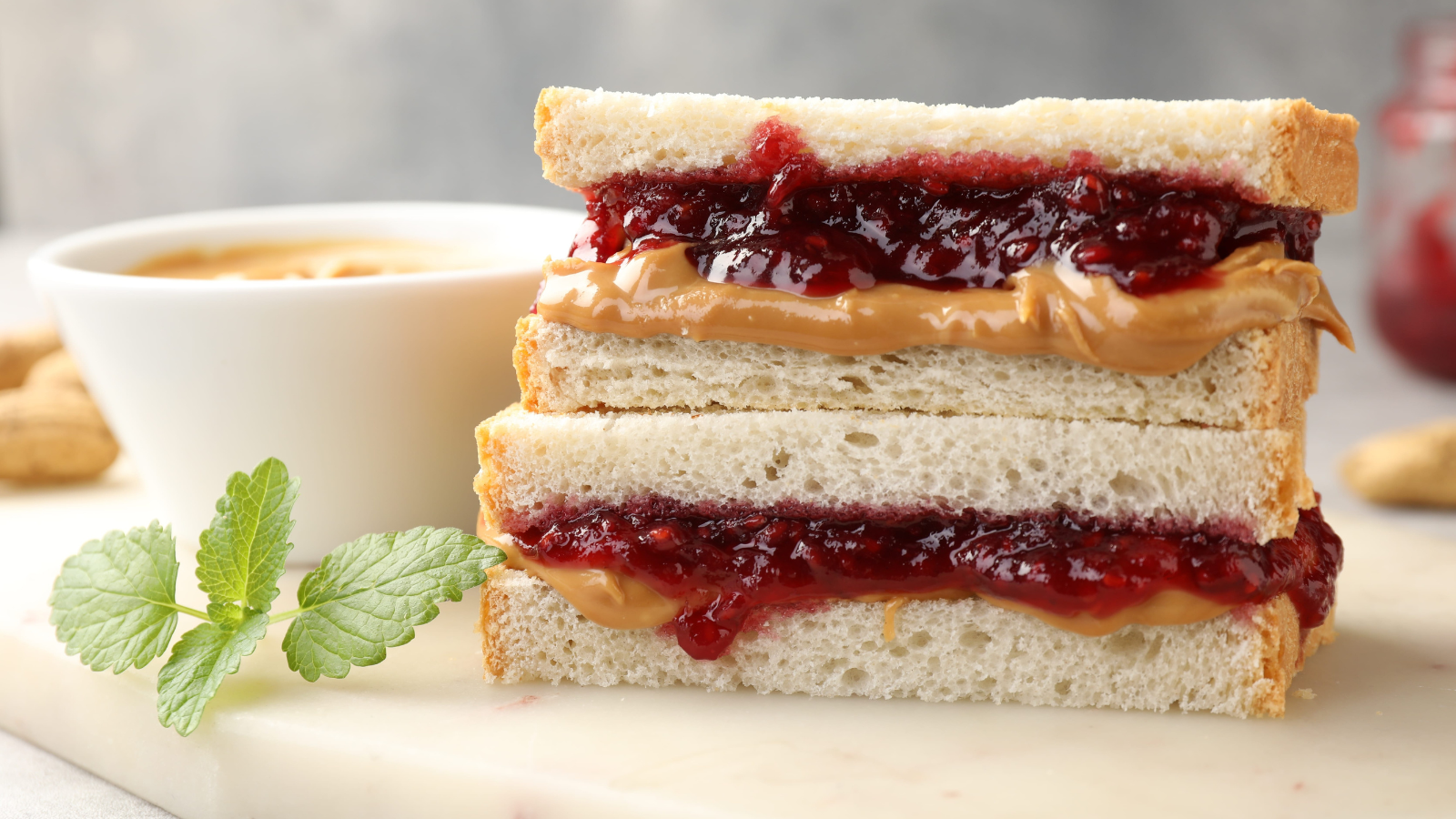
For countless Americans, peanut butter and jelly sandwiches bring back memories of school lunches and childhood snacks.
For someone unfamiliar with the combination, however, the pairing can seem unusual. There’s creamy or crunchy peanut butter, sweet fruit preserves, and soft bread all pressed together.
The terminology doesn’t help either. In Britain, jelly usually refers to a gelatin dessert, so the American sandwich sounds quite different from what it actually is.
According to Smithsonian Magazine, an early PB&J recipe was published in 1901. The sandwich eventually became an affordable lunchbox staple as commercially produced peanut butter became more accessible.
What started as a fashionable sandwich eventually became one of America’s most recognizable childhood foods.
Root Beer Floats
A scoop of vanilla ice cream floating in a glass of root beer sounds like a refreshing treat to many Americans.
For some international visitors, the challenge is the flavor of root beer itself.
In a tasting reported by Japan’s SoraNews24, a Japanese reporter compared the drink’s distinctive aroma to Salonpas pain-relief patches. Its herbal, sometimes wintergreen-like flavor can remind unfamiliar drinkers of medicinal products.
Root beer floats belong to America’s nostalgic soda-fountain tradition, where ice cream and fizzy drinks make a playful combination.
And despite the word “beer,” the root beer used in these floats is generally nonalcoholic.
Chicago-Style Deep-Dish Pizza
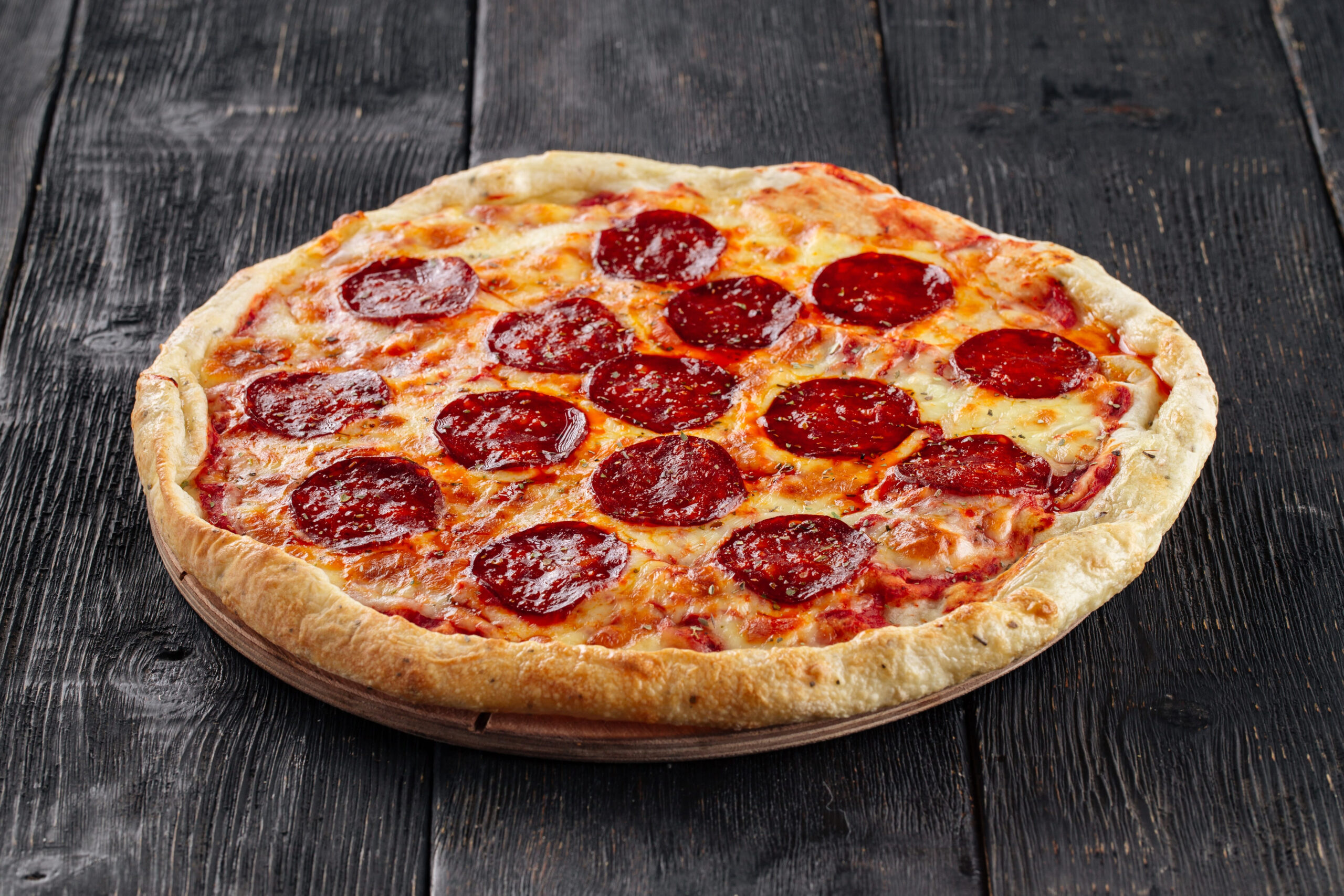
If regular pizza is too predictable, Chicago has an answer: make it deeper, fill it generously, and put the tomato sauce on top.
Chicago-style deep-dish pizza features a high-sided crust, generous cheese, fillings, and a layer of tomato sauce. The result resembles a savory pie more than a typical thin-crust pizza.
Italian journalist Gianvito Fanelli tried a Chicago-style version in Milan and compared it to a savory pie. Interestingly, he also found things to enjoy about it.
Chicago-style pizza became commercially established in 1943 with Pizzeria Uno, though the exact recipe’s creator remains disputed.
It’s pizza with a personality all its own, and a fork and knife can come in handy.
Green Bean Casserole
Green beans are familiar almost everywhere. Mixing them with condensed mushroom soup and topping everything with crispy fried onions is where this American holiday dish gets interesting.
Green bean casserole became popular because it was simple to prepare using common pantry ingredients.
Campbell’s credits employee Dorcas Reilly with creating the recipe in 1955. Originally called Green Bean Bake, it eventually became a Thanksgiving regular.
For visitors accustomed to lightly cooked vegetables, using canned soup as a sauce might seem unexpected.
Still, the creamy sauce, green beans, and crunchy onions have earned a lasting place on many American holiday tables.
Ambrosia Salad
Here’s a question worth asking: When does a salad become dessert?
Ambrosia salad certainly makes that distinction difficult.
Modern versions often combine oranges, pineapple, coconut, miniature marshmallows, and whipped cream or another creamy ingredient.
Despite its dessert-like appearance, ambrosia frequently appears at Southern holiday gatherings and family buffets.
Food historian Robert Moss traced an early written recipe to 1867. That version included oranges, coconut, and sugar, but no marshmallows, as many recipes do today.
Over time, this relatively simple fruit dish evolved into the fluffy, creamy creation associated with American celebrations.
Calling it a salad might be the most surprising ingredient of all.
Spray Cheese on Crackers
Cheese usually comes in blocks, slices, or tubs. Americans also have a version that comes through a nozzle.
Spray cheese, including the recognizable Easy Cheese brand, is a processed cheese spread dispensed directly onto crackers.
Nabisco introduced the product as Snack Mate in 1965 and marketed it as a convenient party snack. It was later renamed Easy Cheese.
For people used to traditional cheeses, the delivery method can surprise you more than the taste.
Even Mulholland, who found the product unusual, acknowledged enjoying it in certain dishes.
It’s certainly one way to make snack preparation entertaining, and there’s no cheese knife to wash afterward.
Related: 6 Common Snacks That Are Harming Your Heart
Fried Chicken and Waffles With Syrup
Crispy fried chicken belongs on a dinner plate. Sweet waffles belong at breakfast. Americans decided the two deserved to meet.
Add butter, maple syrup, and sometimes hot sauce, and you have one of the country’s most recognizable sweet-and-savory combinations.
The fried-chicken version has important connections to African-American restaurant traditions, particularly Harlem’s Wells Supper Club and later Roscoe’s in Los Angeles.
It also differs from Pennsylvania Dutch chicken and waffles, which traditionally features chicken and gravy.
For someone unfamiliar with the dish, pouring syrup over fried chicken might seem unusual. Yet the combination appeals because of its contrasting textures and flavors.
Sometimes the most unexpected pairings become the most memorable.
Related:7 Outrageously Strange Fried Foods You Have to Try
S’mores
Nothing says American camping tradition quite like roasting a marshmallow and squeezing it between graham crackers with chocolate.
S’mores are simple, messy, and closely associated with summer campfires and scouting activities.
However, graham crackers aren’t a familiar supermarket staple everywhere. BBC Food even suggests British digestive biscuits as an alternative for readers preparing the treat.
Their history is older than many people realize. A historical investigation published by National Geographic identified evidence of a similar treat in 1924 and a Girl Scout recipe from 1925.
The name comes from “some more,” which makes perfect sense once you’ve eaten one.
A Delicious Difference in Food Traditions
What seems strange in one country can be a treasured tradition in another. These American favorites show how food traditions grow from history, creativity, convenience, and a willingness to try combinations that might initially sound ridiculous.
And who knows? That marshmallow-covered casserole might just become someone’s new holiday favorite.
Other Posts You May Like
- 5 Foods Banned Overseas That Americans Still Consume Daily
- 10 American Foods That Make Visitors Scratch Their Heads- But Many Americans Still Love