Picture a 1970s restaurant and your brain may immediately serve up orange walls, avocado-green upholstery, shag carpet, and a stained-glass lamp hanging over the table.
Fun image? Absolutely.
Completely accurate? Not quite.
Real 1970s restaurants were much more interesting. There wasn’t one universal “1970s look.” Instead, the decade mixed family restaurants, steakhouses, coffee shops, pizza parlors, fast-food chains, and themed dining rooms, each with its own visual personality. What tied many of them together was a broader shift toward casual dining, darker interiors, standardized chain design, and restaurants that offered an experience rather than simply a meal.
And yes, there were a lot of salad bars.
The salad bar was practically a main character
If you want one genuinely strong visual marker of 1970s dining, start with the self-service salad bar.
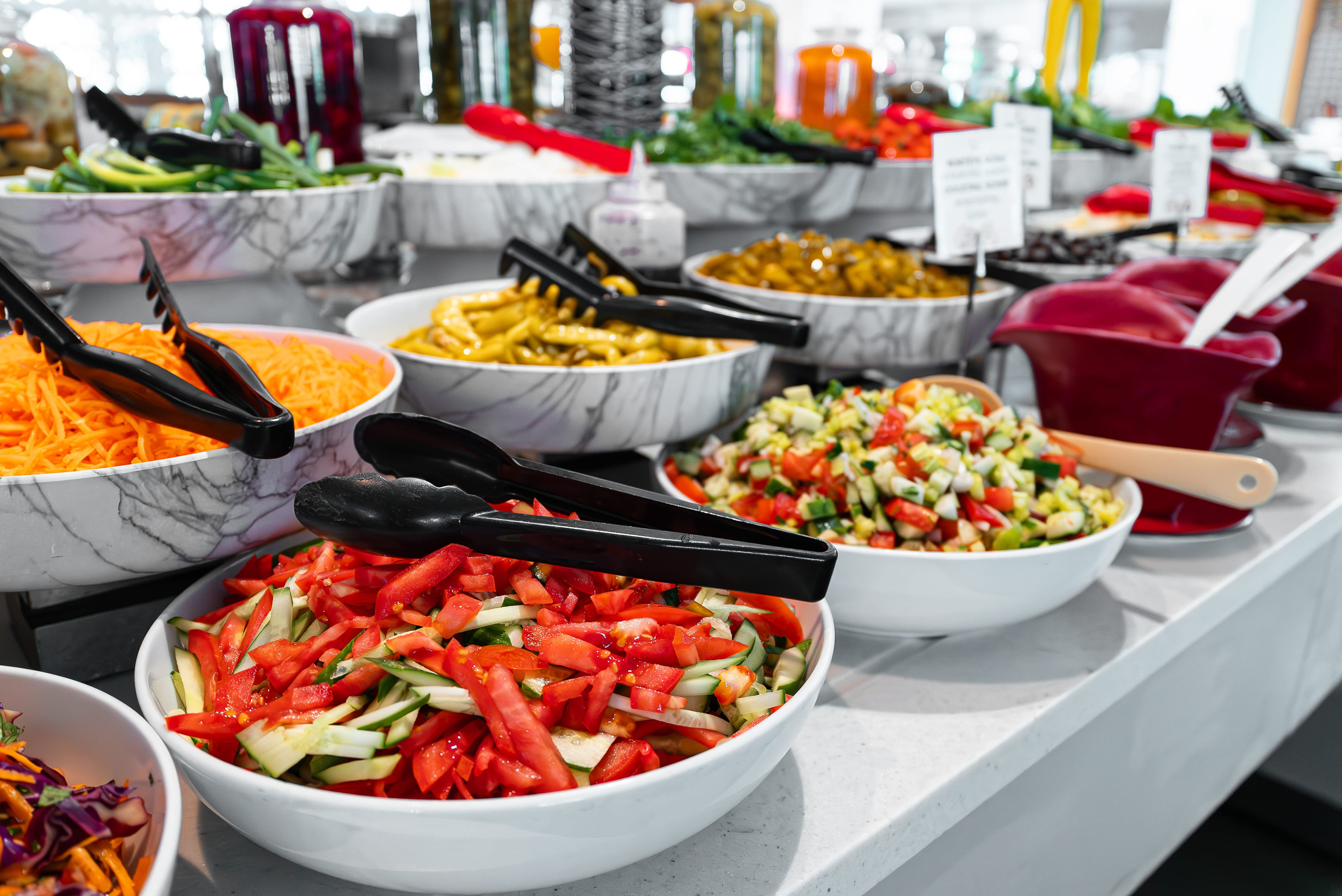
These chilled counters were piled with lettuce, chopped vegetables, shredded cheese, eggs, croutons, bacon bits, dressings, and various prepared salads. Instead of receiving a carefully plated salad from the kitchen, customers grabbed a plate and built their own.
The appeal was obvious: choice, abundance and value.
A salad bar could make an inexpensive dinner feel generous. It also fit growing interest in nutrition and gave diners something to do while waiting for their steak or entrée.
Steak and Ale helped popularize the format, while restaurants such as Chicago’s R.J. Grunts pushed the idea even further with dozens of ingredients. Some operators treated the salad bar almost like theater, using special lighting or themed displays to make the food look especially inviting.
One Milwaukee steakhouse reportedly built a salad bar to resemble a pirate ship.
That is peak restaurant commitment.
Restaurants got darker, warmer, and woodier
The 1950s and early 1960s loved futuristic roadside dining: neon, glass, bright colors, sweeping roofs and buildings practically shouting at passing motorists.
The 1970s often went the other direction.
Many restaurants embraced dark-stained wood, brick, brown and rust upholstery, amber lighting, and more enclosed dining rooms. Architectural historian Philip Langdon described the broader shift as a “browning of America.”
Instead of looking like the future had arrived beside the highway, restaurants increasingly tried to look cozy, historic or rustic.
That could mean wood-paneled walls in a steakhouse, dark beams in an English-inn-style restaurant, or warm booths beneath colored pendant lamps in a pizza parlor.
Earth tones were certainly important, but the idea that every restaurant combined orange, mustard, avocado green and brown is more nostalgia shorthand than universal fact. Individual chains still followed their own brand colors.
The building itself was advertising
One of the most charming things about 1970s chain restaurants was that you could often recognize them before reading the sign.
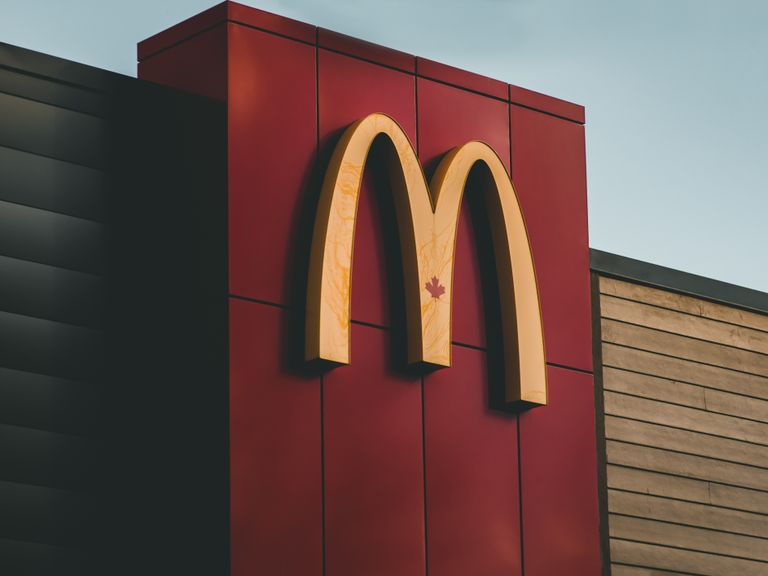
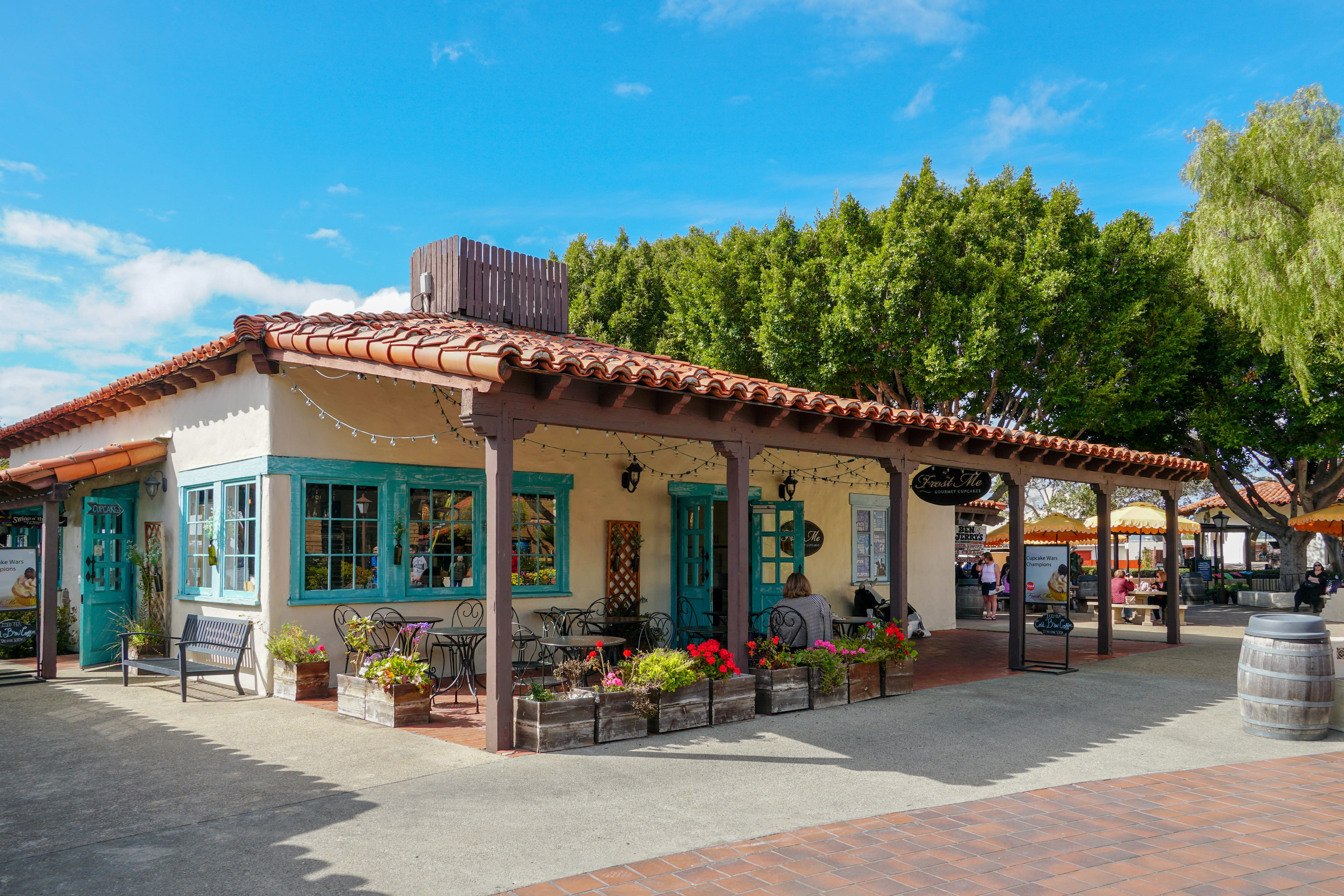
Howard Johnson’s had its orange-roof identity. Pizza Hut became famous for its sharply recognizable red roof. McDonald’s increasingly traded its earlier Golden Arches buildings for brick-faced restaurants topped with dark mansard-style roofs.
That mansard look became so associated with commercial architecture that a 1978 New York Times article called it the decade’s architectural mode.
It was also practical. The deep roofline could hide air-conditioning units and other mechanical equipment.
These toned-down designs partly reflected changing tastes. Communities and zoning authorities were becoming less enthusiastic about flashy roadside franchise architecture, so chains developed buildings that looked more subdued and suburban-friendly.
Fast food was still selling speed. It just didn’t need to scream quite so loudly about it.
Steakhouses loved a theme
Want dinner with a side of theatrical scenery? The 1970s had you covered.
Steak and Ale, founded in 1966 and rapidly expanded during the following decade, styled its restaurants after an old English inn. Think dark beams, stained-glass-style windows, low lighting, heavy furniture, and employees wearing period-inspired outfits.
Other steakhouse chains leaned into Western imagery. Ponderosa and Bonanza could feature wood paneling, wagon wheels, rustic signs, cowboy references, and other ranch-style touches.
The point was not historical accuracy.
It was atmosphere.
Casual dining was carving out a new middle ground between fast food and expensive formal restaurants. A themed room could make a moderately priced steak dinner feel like a special occasion.
That formula would become even bigger in the theme-heavy restaurants of the 1980s and 1990s.
Pizza night meant booths, lamps, and that red roof
The classic dine-in Pizza Hut is another highly recognizable piece of 1970s restaurant culture.
Outside: the famous red roof.
Inside: booths, warm lighting, wood paneling, colored or stained-glass-style hanging lamps and tables designed for families sharing pizzas and pitchers of soda.
Unlike modern pizza delivery culture, this was often an evening out.
You sat down. You stayed awhile. You waited for a whole pizza to arrive in a metal pan.
The booth mattered, too. Vinyl-upholstered booths were everywhere across diners, family restaurants, coffee shops, and pizza parlors because they were practical. They were easy to clean, used floor space well, and gave families a small sense of privacy.
And yes, there were ashtrays
One visual detail that can make a modern diner do a double take is the tabletop ashtray.
Smoking remained common in American restaurants throughout the 1970s. Cigarette machines, matchbooks, and ashtrays were ordinary sights.
Later in the decade, designated nonsmoking areas slowly emerged.
In 1977, Denny’s announced that 25 percent of its dining space would be reserved for nonsmokers. But that certainly did not mean restaurants were smoke-free. Separate nonsmoking sections were still a compromise inside an overwhelmingly smoking-friendly culture.
So what really made a restaurant feel “1970s”?
Not shag carpet. Not one specific color palette. Not Tiffany-style lamps in every dining room.
The strongest clues were the combination of casual dining, standardized chain design, and atmosphere.
A 1970s restaurant might have offered a glowing salad bar, a dark wood dining room, vinyl booths, a paper placemat, a cocktail lounge near the entrance and a building shape recognizable from half a mile away.
Most importantly, restaurants were becoming entertainment.
Families didn’t go out just because they needed food. They went for the red roof, the giant salad bar, the ranch décor, the English-inn atmosphere, the cocktails, the booths, and the novelty of eating something they did not make at home.
The decade helped transform the restaurant from a place to eat into a place to go.
And if that place happened to include a pirate-ship salad bar?
Even better.
Other Posts You May Like
- 15 Forgotten Purchases Boomers Once Loved
- Mastering 10 Essential Cooking Techniques for Restaurant-Quality Results
If you like what you just read, then subscribe to our newsletter and follow us on social media.