For a stretch of Thursday afternoon, a huge piece of Midwestern airspace suddenly became far harder to navigate.
A major equipment outage at the Federal Aviation Administration’s Minneapolis Air Route Traffic Control Center disrupted radar and communications services on Aug. 6, forcing flights to remain on the ground, divert around the affected region or wait for controllers to restore normal operations. The disruption reached across an enormous section of the Upper Midwest and quickly spilled into Minneapolis-St. Paul International Airport, one of the region’s busiest aviation hubs.
The affected control center manages roughly 333,000 square miles of airspace covering all or portions of nine states, including Minnesota, Wisconsin, Michigan, Iowa, North Dakota, South Dakota, Nebraska, Kansas and Missouri.
What looked from the terminal like another round of frustrating flight delays was therefore something much bigger. This was not simply a malfunction inside one airport. The problem struck the regional system responsible for guiding aircraft across several states.
Flights stop as a huge section of Midwest airspace is disrupted
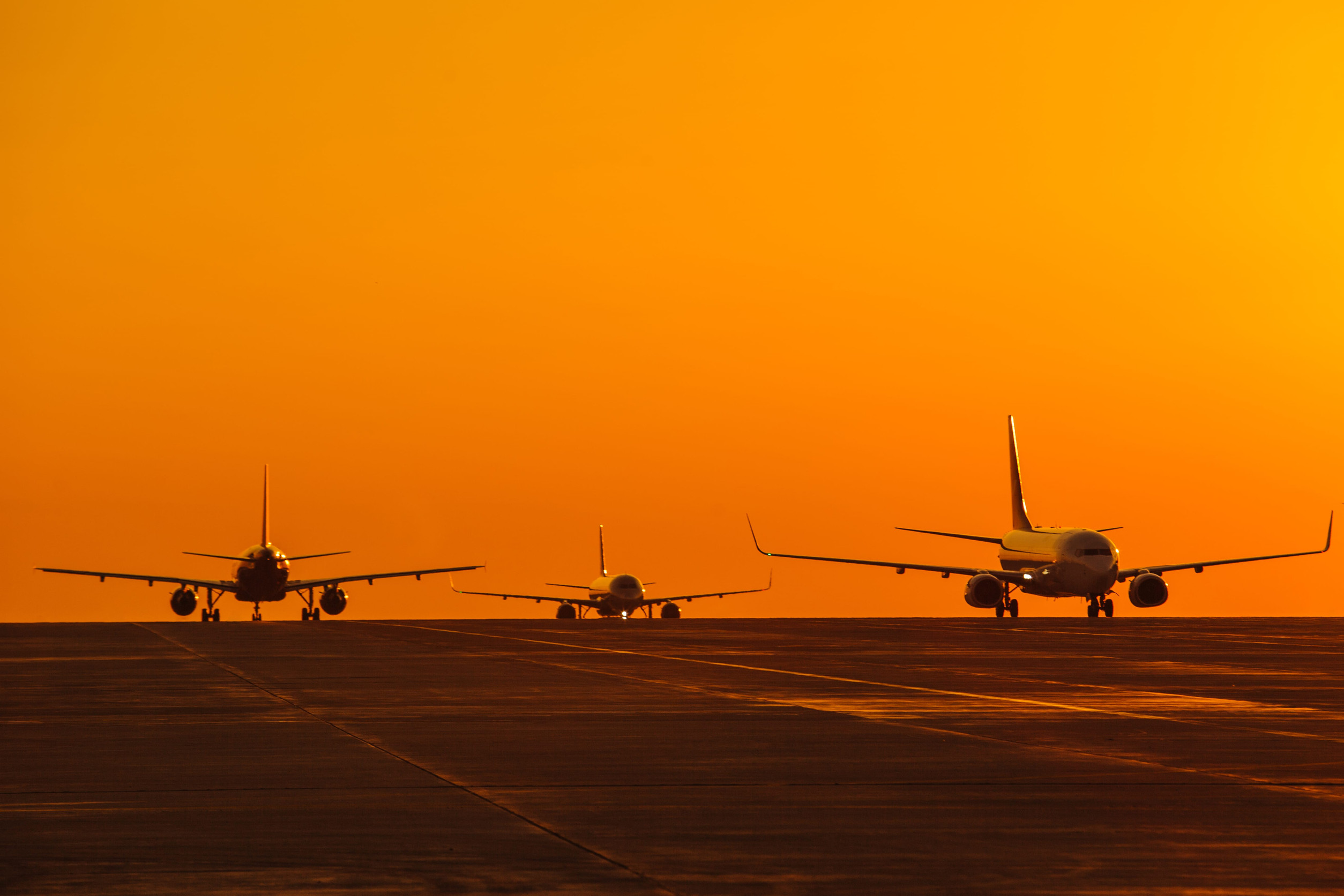
The trouble unfolded Thursday afternoon when equipment problems at the Minneapolis Air Route Traffic Control Center interfered with the systems controllers use to monitor and communicate with aircraft.
The FAA later described the problem as involving “telecommunication issues.” Reports indicated radar and communications services were affected.
That triggered traffic restrictions across the region.
At Minneapolis-St. Paul International Airport, the FAA issued a ground stop at around 2:30 p.m. local time, preventing departures while also limiting incoming flights. Aircraft already in the air faced reroutes, holding instructions or diversions as controllers worked around the affected airspace.
The scale of the Minneapolis Center helps explain why one technical problem could spread so quickly.
Unlike the controllers working from an airport tower, an Air Route Traffic Control Center manages aircraft traveling between airports, often while those planes are cruising thousands of feet above several states. When such a facility loses critical capabilities, airlines cannot simply operate their normal schedules and hope for the best.
Traffic has to be slowed, redirected or temporarily stopped.
FAA traffic-management information during the disruption showed equipment issues at Minneapolis Center generating ground stops, reroutes and an airspace flow program designed to control the number of aircraft entering the affected region.
Passengers watch flight times stretch by hours

For travelers, the technical language translated into something much simpler: long waits.
By 4:45 p.m., Minneapolis-St. Paul International Airport was reporting 87 delayed departures, according to reporting cited by PEOPLE. Flights elsewhere in the Midwest were also affected as airlines adjusted routes around the disruption.
Some international passengers discovered the problem while they were already in the air.
One flight arriving from Dublin was forced to alter its journey before eventually continuing toward Minneapolis. Passenger Sierra Maatta told local station KARE that her expected travel time suddenly increased as the aircraft was rerouted toward Pittsburgh before turning back toward MSP.
The outage also demonstrated how a problem hundreds of miles away can interfere with a passenger’s trip.
A traveler does not need to be flying from Minnesota for Minneapolis Center to matter. Aircraft traveling across its territory may be heading toward Chicago, Denver or other destinations. Once normal routes become unavailable, those planes may need longer flight paths, additional fuel planning or departure delays.
The ground stop at MSP was eventually lifted at around 4 p.m., and the FAA said affected services had been fully restored and flights were returning to normal operations.
The disruption, however, left airlines working through delayed aircraft, displaced passengers and schedules that had already been knocked out of position.
The outage lands in the middle of a massive FAA modernization effort
The incident immediately revived a larger question surrounding American aviation: how quickly can the country replace aging air traffic control infrastructure?
Retired airline pilot Paul Jackson told KARE that some of the equipment used in the system is “very, very old and very, very out of date.”
That concern is not limited to outside critics.
The FAA itself is pursuing a sweeping modernization program that calls for replacing outdated radar, hardware, software and telecommunications networks. The agency says its goal is to deliver a new air traffic control system by the end of 2028.
The plan includes replacing aging telecommunications connections with fiber, wireless and satellite technology, installing thousands of new radios and voice switches, replacing hundreds of radars and modernizing equipment inside air traffic facilities.
Thursday’s outage does not, by itself, establish that aging equipment caused the Minneapolis Center failure. As of Aug. 8, the FAA had not publicly announced a final cause and said the incident remained under investigation. Reports of other internet and government-service disruptions in Minnesota emerged around the same time, but authorities had not confirmed that those outages were connected to the aviation failure.
That distinction matters. A technical failure is not automatically evidence of a cyberattack, sabotage or any other cause circulating online.
What is confirmed is striking enough.
A telecommunications-related failure at one regional FAA facility disrupted flights across a control area roughly the size of several states combined, grounded departures at a major U.S. airport and sent airlines scrambling to reroute aircraft around the Midwest.
The radar screens and radio channels may have returned, but the outage offered a sharp reminder of something passengers rarely see: behind every routine flight is an enormous technical network, and when one critical part of that network goes quiet, the effects can spread across the sky remarkably fast.