Kamala Harris is sending a new message to Democrats: waiting for Republicans to change is no longer a strategy.
The former vice president is using a major speech in New Orleans to draw a sharper line between her political vision and the approach once associated with Joe Biden. Harris is expected to argue that Democrats must prepare for a long political battle rather than hope Trump’s influence over the Republican Party fades on its own.
Her remarks come as she considers her political future and as Democrats continue searching for answers after losing the 2024 presidential election. While Harris is not expected to announce another presidential campaign, the speech offers a glimpse into the issues that could shape her next chapter.
Harris Challenges Biden’s Belief That Republicans Would Change
At the center of Harris’s message is a challenge to one of Joe Biden’s most recognizable political beliefs.
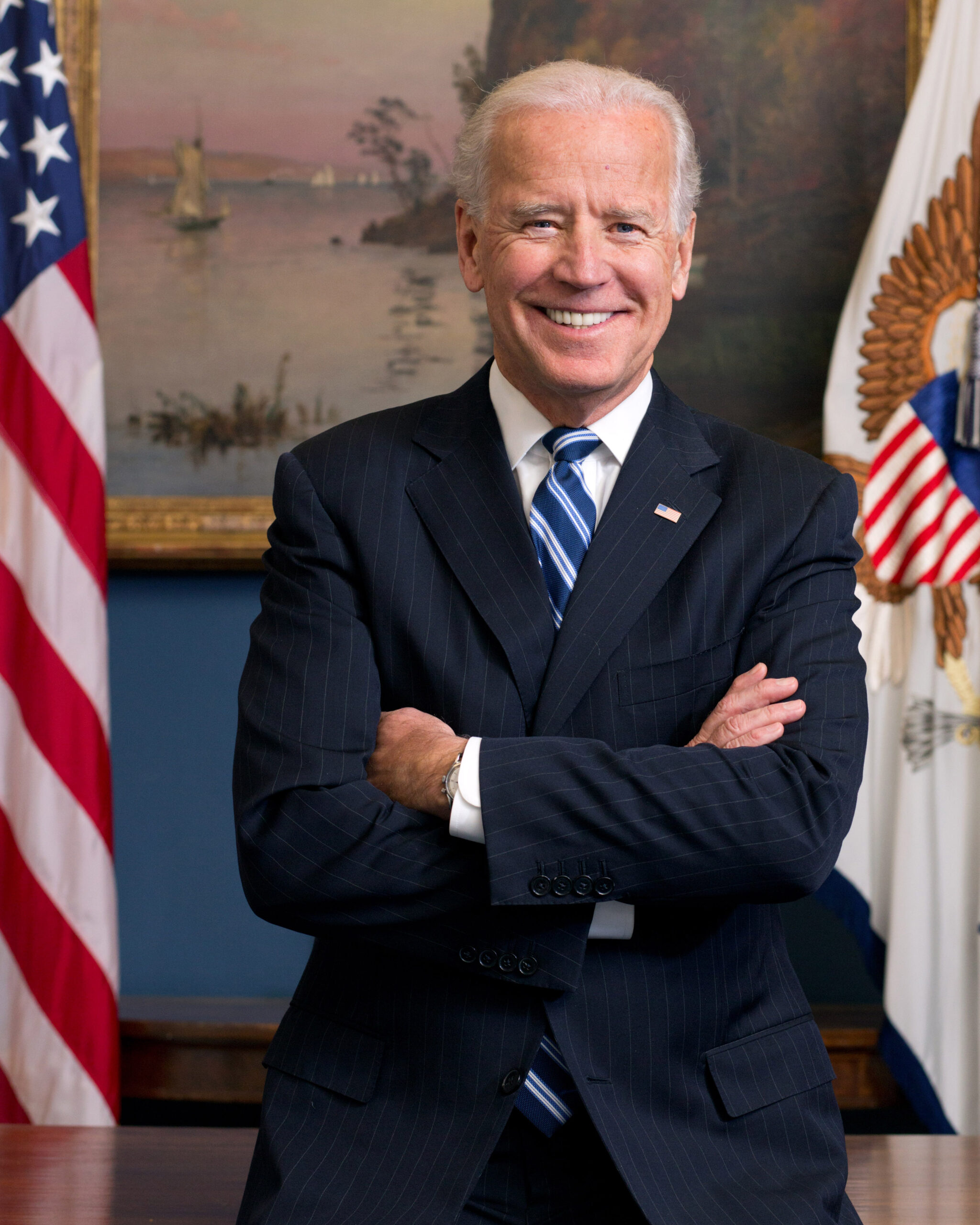
During the 2020 presidential campaign, Biden argued that removing Donald Trump from the White House could encourage some Republicans to return to a more traditional approach to governing. The idea reflected Biden’s decades in Washington, where he built a reputation around negotiation, relationships, and bipartisan cooperation.
Biden’s political style was based on the belief that disagreements could be managed through compromise. Harris is now arguing that Democrats cannot depend on the expectation that Republicans will eventually change their direction.
“We cannot sit around hoping Republicans will have an ‘epiphany’ and do the right thing,” Harris is expected to say in her prepared remarks. Her message suggests that Democrats need to accept the current political reality and build a strategy around it.
Harris Separates Herself While Carrying Biden’s Legacy
Harris’s criticism carries more weight because she was not watching the Biden administration from the outside.
She served as Biden’s vice president, defended the administration’s achievements and became the Democratic nominee after Biden ended his reelection campaign in 2024. That history creates a difficult balance as she attempts to define a new direction without rejecting everything connected to her time in office.
Harris appears to be arguing that Democrats do not need to abandon their goals but must change how they pursue them. Her message focuses on urgency, stronger political resistance, and a government that responds more quickly to public concerns.
The former vice president is trying to present herself as someone who understands the lessons of the Biden years. At the same time, she signals that she would approach future political battles differently.
The 2024 Election Shapes Harris’s New Political Identity
The circumstances of the 2024 election continue to influence how Harris presents herself to voters and Democrats.
After Biden withdrew from the race, Harris became the Democratic nominee with only a short period to campaign before Election Day. She inherited the strengths and weaknesses of the Biden administration while trying to convince voters that she represented a new direction.
The result created a complicated political challenge for Harris. She had to defend an administration she served while also explaining why voters should choose a different future.
Since the election, Harris has focused more on defining what Democrats should learn from that defeat. The New Orleans speech appears to be another step in shaping that argument.
Why Louisiana Is Important for Harris’s Message
The location of Harris’s speech adds another layer of meaning to her broader political argument.
Louisiana has become a major focus in national debates over voting rights, representation, and congressional redistricting. The state was at the center of the Supreme Court case of Louisiana v. Callais, which examined questions surrounding the Voting Rights Act and the drawing of congressional districts.
The decision created new debates about how race can be considered in redistricting and how future voting rights challenges may be handled. Harris’s decision to address these issues in Louisiana connects her national message to a specific political battle.
Voting rights have been central to Harris’s political career for years. The issue is expected to remain part of her message as she considers whether to seek the presidency again.
Harris Calls for a More Aggressive Democratic Approach
One of the most attention grabbing parts of Harris’s speech is her call for Democrats to embrace a different kind of political toughness.
Harris is expected to describe the need for a form of “ruthlessness” within the Democratic Party. She says she does not mean cruelty but rather a willingness to fight corruption, defend democratic institutions and respond quickly when people’s rights are threatened.
The language reflects a larger debate within the party about how Democrats should compete in a highly divided political environment. Some believe the party needs stronger confrontation, while others argue that cooperation remains essential.
Harris’s message suggests that Democrats must become more determined without losing their core values. She is presenting urgency as a necessary part of future political success.
Economic Issues Could Shape Harris’s Future Platform
Harris is also using the speech to highlight economic issues that could define the next Democratic agenda.
She is expected to discuss lowering housing and healthcare costs, improving access to job training, addressing inequality in the tax system, and creating safeguards around artificial intelligence. The remarks are expected to outline priorities rather than introduce a detailed policy plan.
The focus reflects concerns that affect voters across the country. Rising housing costs, healthcare expenses and rapid technological change have become major issues in American households.
By emphasizing these areas, Harris appears to be connecting Democratic politics with everyday challenges. She is attempting to show that the party’s future must focus on practical results as much as political arguments.
Harris Says Democrats Must Restore Trust in Government
Another major theme of Harris’s speech is the need for government to prove it can deliver results.
Harris is expected to argue that the government must operate with greater speed, transparency and accountability. Her message acknowledges a concern shared by many voters who want solutions but remains frustrated by slow processes.
For Democrats, this issue presents a major challenge. Supporting government programs requires convincing voters that public institutions can work effectively.
Harris’s argument is that the government cannot only promise action. It must also demonstrate that it can produce meaningful outcomes for ordinary Americans.
The 2028 Question Follows Harris Everywhere
Although Harris is not expected to announce a presidential campaign, the possibility will shape how her speech is viewed.
Every major public appearance gives Harris a chance to define the political identity she would bring into another national campaign. Her current message focuses on defending democracy, lowering costs, confronting corruption, and improving government performance.
The challenge is that other Democrats will also compete to explain what went wrong in 2024. Some may argue for generational change, while others may push different economic or political strategies.
Harris must convince voters that she represents both experience and a new direction. The New Orleans speech is part of that effort.
Harris Turns Biden’s “Epiphany” Into a Democratic Debate
The disagreement between Harris and Biden reflects a much bigger question about the future of the Democratic Party.
Biden’s approach was built around the belief that political divisions could be reduced through relationships and compromises. Harris is offering a different argument, saying Democrats must prepare for continued conflict in an era shaped by Trump’s influence.
The debate is not simply about one speech or one election. It represents a deeper disagreement over how Democrats should compete in the years ahead.
For Harris, the message is becoming clear. Democrats cannot wait for the political environment to change on its own. They must actively shape what comes next.