A historic military appointment is moving forward as Defense Secretary Pete Hegseth nominates Lt. Gen. Kevin Admiral to take command of one of the U.S. Army’s most strategically important positions, placing a decorated combat leader at the center of America’s defense operations across two continents.
The Pentagon announced that Hegseth has nominated Lt. Gen. Kevin Admiral, a Black three-star Army general, to lead U.S. Army Europe and Africa while also serving as commander of NATO’s Allied Land Command. The nomination puts Admiral in line to oversee thousands of American soldiers stationed across Europe and Africa, a role that carries major responsibility as global security challenges continue to evolve.
Admiral currently serves as commander of III Armored Corps at Fort Hood, Texas, one of the Army’s largest and most powerful formations. His career has included decades of military service, battlefield deployments, and leadership assignments that have prepared him for a command role involving U.S. forces operating alongside international allies.
The nomination still requires confirmation by the U.S. Senate before Admiral can officially assume the position.
A Combat Leader With Decades of Experience
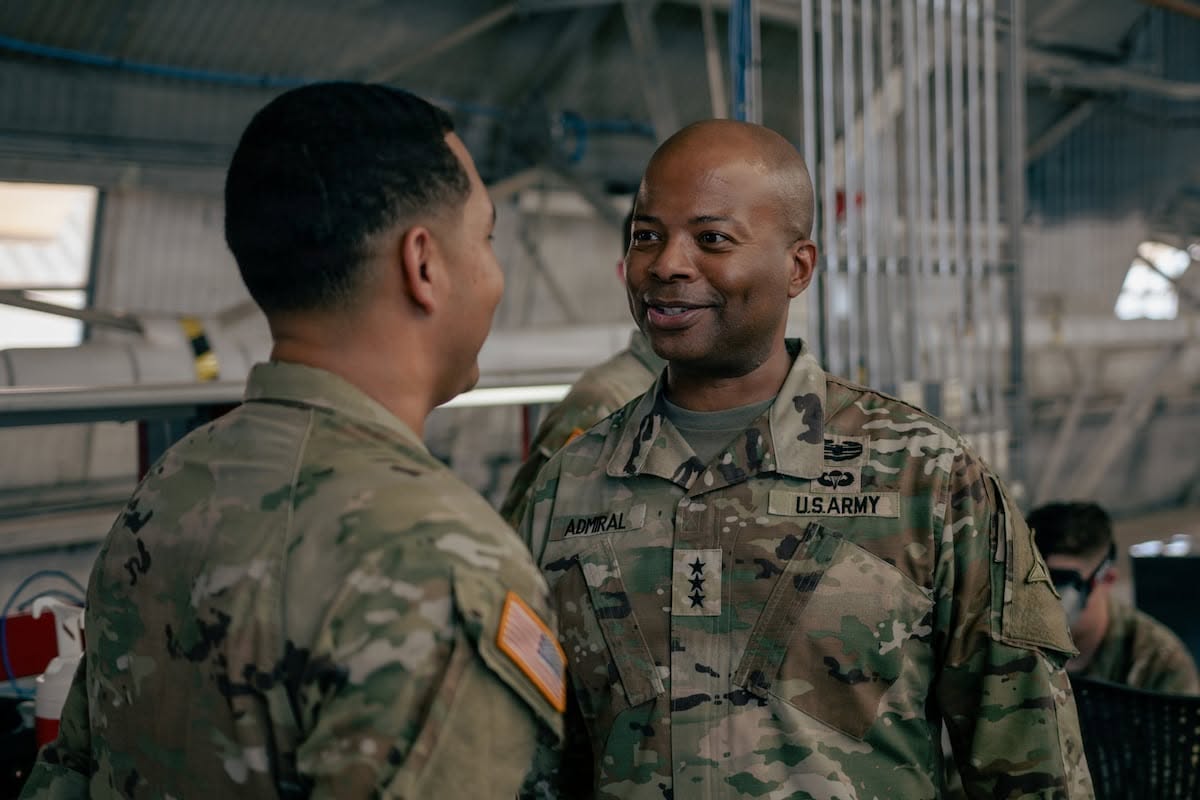
Lt. Gen. Kevin Admiral’s military career has been built around armored warfare, operational command, and overseas service. As a career armored officer, he has spent much of his time leading soldiers in some of the Army’s most demanding environments.
His record includes deployments to Iraq, Afghanistan, and Europe, giving him direct experience with modern military operations and multinational cooperation. These assignments exposed him to complex combat environments, alliance coordination, and the challenges of managing large military organizations.
Throughout his service, Admiral has received several military honors, including the Bronze Star and Purple Heart. The awards reflect his experience in combat zones and his commitment to missions that placed him and his soldiers in dangerous situations.
His leadership history includes commanding major Army units and working through missions that required discipline, strategic planning, and the ability to operate under pressure.
If confirmed, Admiral would inherit responsibility for U.S. Army forces across Europe and Africa at a time when military readiness and international partnerships remain central issues for American defense planning.
A Major Role in America’s Global Defense Strategy

The commander of U.S. Army Europe and Africa holds one of the Army’s most influential regional leadership positions. The command works closely with NATO allies, partner nations, and U.S. military organizations to maintain readiness and strengthen cooperation.
Europe has remained a major focus for U.S. defense planners, particularly because of ongoing security concerns involving Russia, NATO’s eastern borders, and the need for coordinated military readiness among allied nations.
Africa also presents unique security challenges, including counterterrorism operations, humanitarian missions, regional instability, and partnerships with governments across the continent.
The position requires more than battlefield knowledge. The commander must balance military operations, diplomatic relationships, training programs, and cooperation with international partners.
As NATO’s Allied Land Command leader, Admiral would also have a broader alliance role, helping coordinate land forces from multiple NATO member countries. The position requires a commander who can work across different military cultures while maintaining a unified defense strategy.
His previous experience in Europe and multinational operations could become an important asset as NATO continues adapting to changing global threats.
A Symbolic Appointment With Practical Responsibilities
Admiral’s nomination also carries historical significance. As a Black three-star general, his selection highlights the continued advancement of diverse leaders within the highest levels of the U.S. military.
However, the responsibility of the position extends far beyond symbolism. The commander of U.S. Army Europe and Africa faces demanding operational challenges that require extensive experience and proven leadership.
The Army has increasingly emphasized developing leaders who can manage complex missions involving both military power and international cooperation. Admiral’s background in armored command, combat deployments, and senior leadership positions places him among the experienced officers considered for major strategic assignments.
His confirmation process will give senators the opportunity to examine his record, leadership philosophy, and plans for managing U.S. Army operations across Europe and Africa.
If approved, Admiral would take charge of a command that plays a central role in America’s relationship with allies and its broader defense posture overseas.
The nomination comes as the United States continues navigating a changing security environment, where military readiness, alliances, and global cooperation remain critical. For Admiral, the potential new assignment would represent the next chapter in a career defined by combat service, leadership, and responsibility at some of the Army’s highest levels.