President Donald Trump wants Washington Dulles International Airport to become more than a place travelers endure on their way into the nation’s capital. He wants it to become what he called “something really spectacular,” a modern international gateway capable of competing with the world’s most celebrated airports. On July 29, Trump joined Transportation Secretary Sean Duffy, United Airlines CEO Scott Kirby and airport officials to unveil a sweeping $22.5 billion redevelopment plan.
The proposal promises more than five million square feet of new or renovated airport space, modern concourses, faster baggage systems, expanded train service, improved security checkpoints and thousands of construction and aviation jobs. Officials said the project could also allow airlines to add hundreds of flights while strengthening Dulles’ position as Washington’s main international hub. Construction could begin as early as spring 2027, although the work would unfold in phases over several years.
The familiar mobile lounges are heading for retirement
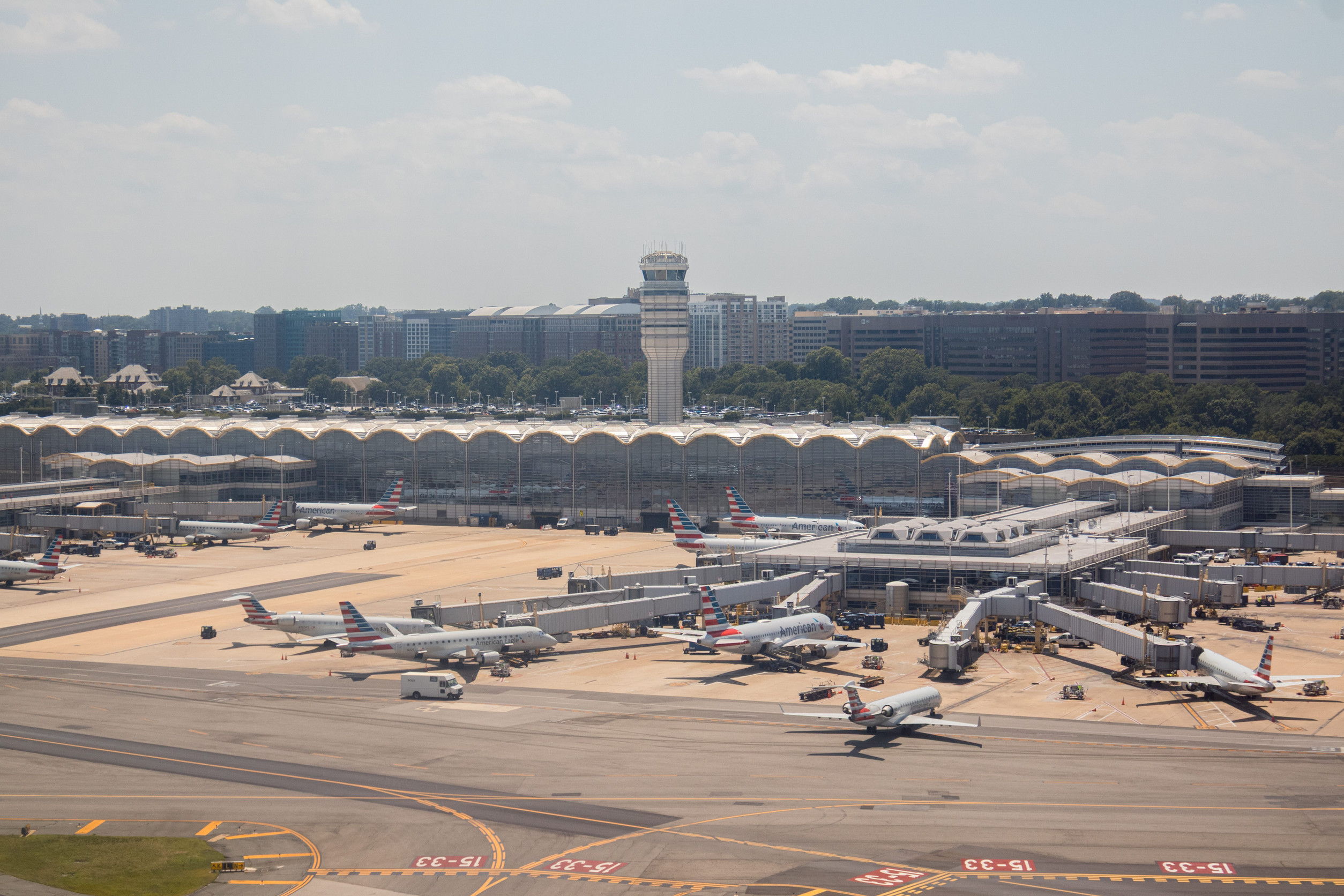
Perhaps no part of the announcement will attract more attention than the planned removal of Dulles’ aging mobile lounges, commonly called “people movers.” The large vehicles have carried passengers between terminals and aircraft since the airport opened in 1962. Once presented as a futuristic transportation solution, they have increasingly become symbols of slow connections, crowded transfers and an airport layout that many passengers find frustrating.
Under the redevelopment plan, Dulles would replace the mobile lounges with expanded AeroTrain connections, a U-shaped passenger train system, moving walkways and a central pedestrian tunnel connecting the main terminal with concourses and gates. The redesign would also create a walkable route to a larger U.S. Customs facility. Duffy said the goal is to eliminate long, inconvenient transfers while making movement through the airport faster and more predictable.
New concourses would replace some of Dulles’ most criticized spaces
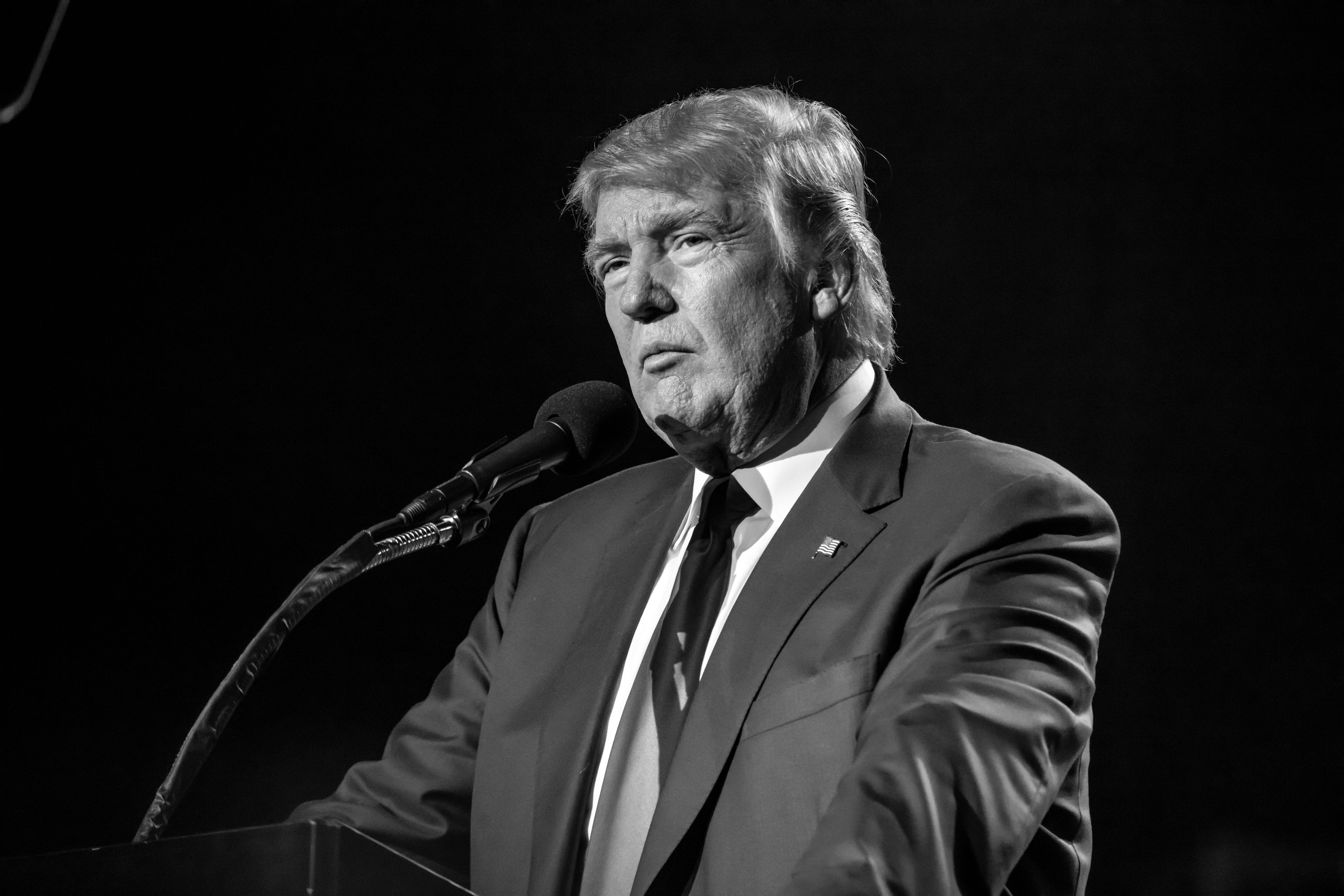
Trump has repeatedly criticized Dulles’ long walking distances and outdated concourses. During the Oval Office presentation, he used a laser pointer to highlight areas that officials believe require major reconstruction. However, the administration plans to preserve the airport’s iconic main terminal, designed by Finnish-American architect Eero Saarinen and recognized for its dramatic curved roof.
The plan calls for new and modernized concourses, including the replacement of Concourses C and D. The new facilities would provide additional gates, larger seating areas, dedicated workspaces, updated restaurants, new retail options and expanded airline lounges. United Airlines also plans additional United Club space and what officials described as one of the world’s largest United Polaris Lounges for international premium passengers.
Airport modernization has already started. A new 435,000-square-foot section of Concourse E is expected to open later in 2026 with 14 United gates, direct AeroTrain access and updated passenger lounges. That project forms part of an existing capital program, but the newly announced redevelopment significantly expands the scale and ambition of the airport authority’s previous plans.
Parking, security and baggage systems would receive major upgrades
The passenger experience would begin changing before travelers even enter the terminal. The proposal includes close-in parking facilities, reportedly featuring space for approximately 32,000 vehicles near the main terminal. State-of-the-art check-in areas and more efficient security-screening systems would also aim to reduce congestion during busy travel periods.
Officials also promised a new baggage-handling system designed to move luggage more quickly and reliably. International arrivals would gain a larger customs facility, while redesigned concourses would support more gates and larger aircraft. The redevelopment does not currently include additional runways, meaning planners intend to increase airport capacity mainly by improving terminal operations, passenger movement and aircraft-gate availability.
Dulles handled approximately 29 million passengers in 2025, a record for the airport and a 6.4 percent increase from the previous year. Reuters reported that it was the fastest-growing large U.S. airport by passenger traffic during that period. United controls roughly 70 percent of the airport’s traffic, giving the airline a major interest in increasing international routes and improving connections through its Washington hub.
The project’s financing will face close scrutiny
Airport authority chief Jack Potter said the redevelopment would rely on airport-generated revenue, airline contributions and municipal bonds rather than direct federal funding. The Metropolitan Washington Airports Authority plans to issue bonds for the new terminal and concourse facilities, while other sections could attract public-private investment. The new proposal increases the airport’s planned capital spending from approximately $7 billion to more than $20 billion.
However, questions remain about whether travelers could eventually pay part of the cost through higher airline tickets, airport charges or passenger facility fees. Aviation analyst Henry Harteveldt told the Associated Press that taxpayers might still fund certain security, customs or runway-related improvements. Trump also acknowledged that Congress would need to approve some elements of the redevelopment.
Trump framed the Dulles overhaul as part of his campaign to make Washington “safe and beautiful again.” Duffy presented it as both an infrastructure project and an economic engine capable of producing thousands of good-paying jobs and billions of dollars in regional opportunity. Whether the final airport matches the dramatic renderings will depend on financing, congressional cooperation and years of complicated construction. Still, the announcement signals that Dulles may finally be preparing to retire some of its most unpopular features and enter a new era of air travel.