Americans already pay extra to check a bag, choose a seat, board earlier, and change many tickets. Now airlines have found another powerful revenue source: selling relief from the cramped economy experience they created.
More travelers are purchasing extra legroom, premium economy, business class, and domestic first class. The trend may look like a sudden national appetite for luxury, but the darker reality is that millions of passengers are paying more simply to avoid discomfort, uncertainty, and hours of confinement in an increasingly crowded cabin.
Airlines Are Turning Passenger Discomfort Into Premium Revenue
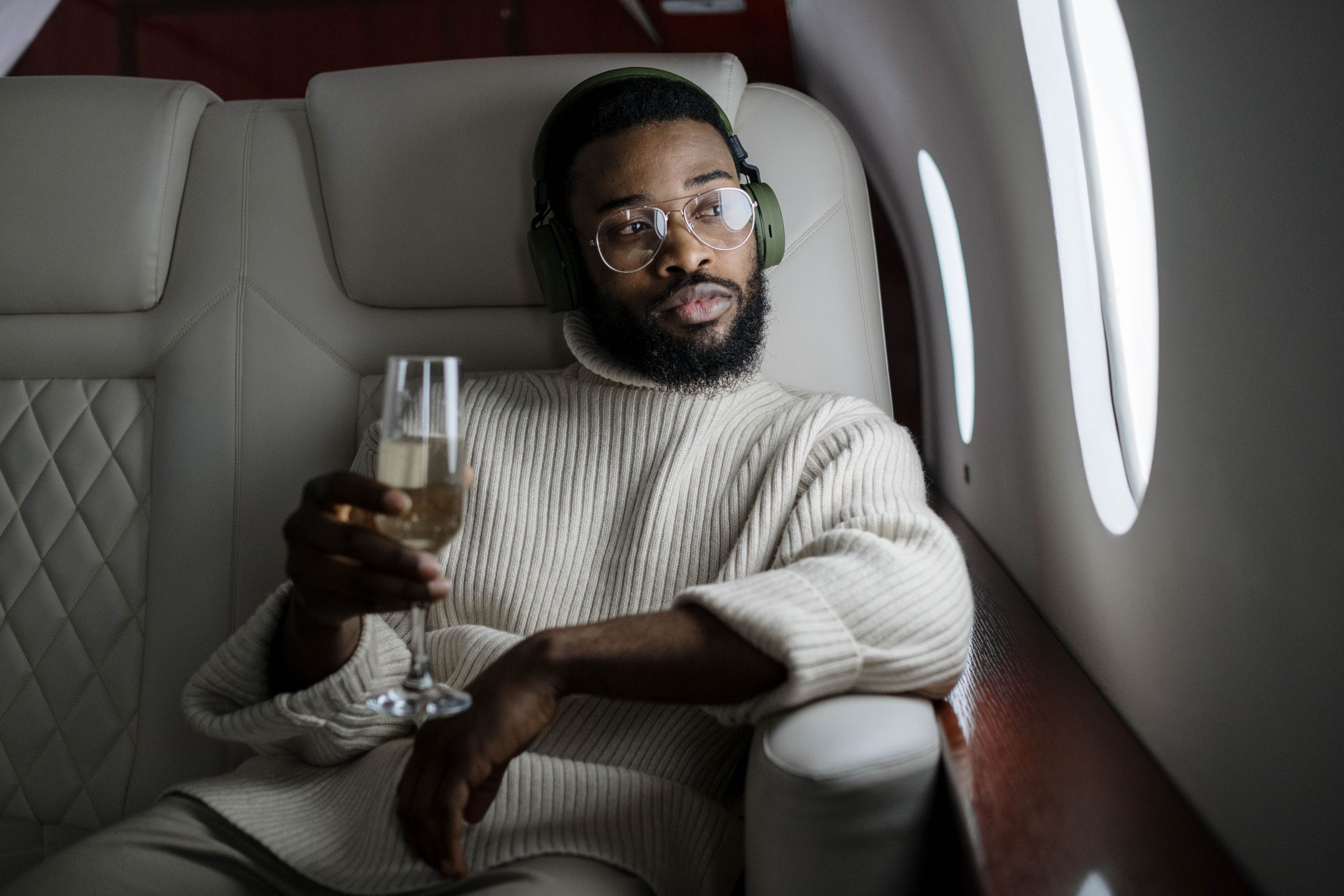
The modern airline ticket rarely feels complete at the advertised price. Once baggage, seat selection, and boarding options appear on the payment screen, a seemingly affordable fare can grow considerably. Premium seating extends that sales strategy into the cabin itself. Airlines can fill the back of the plane with price-conscious travelers while collecting substantially more from passengers willing to pay for space, sleep, and a less stressful journey.
Delta Air Lines reported that premium revenue increased 17 percent from the previous year during the second quarter of 2026. Premium corporate sales rose more than 25 percent, supported by investments in Delta Comfort and Delta Premium Select. Delta’s second quarter financial results show that upscale seating is now central to the company’s business model.
United Airlines reported a similar pattern. Premium revenue increased 16 percent from the second quarter of 2024, while revenue from basic economy rose 11 percent and contracted business revenue jumped 27 percent. American Airlines said premium passenger unit revenue rose 13.4 percent during the same period.
Main cabin passenger unit revenue also increased, but at a slower rate of 8.8 percent, according to the carrier’s second quarter earnings report. The message from the industry is difficult to miss. The front of the aircraft is becoming more valuable precisely because conditions in the back remain hard to tolerate on long journeys.
Americans Are Paying for Comfort That Once Felt Standard
A wider seat, a reasonable amount of legroom, and space in the overhead bin should not feel extravagant. Yet airlines have successfully separated these ordinary comforts from the basic fare and sold them back to passengers as upgrades. That commercial system works because the difference between cabins is immediately visible.
Economy passengers walk past larger seats, settled travelers, and uncluttered overhead bins before reaching the narrow rows behind them. On a short flight, the difference may seem manageable. On an overnight journey, however, the contrast between sitting upright for nine hours and sleeping in a lie-flat bed can define the first days of a vacation or business trip.
Premium travel therefore sells more than luxury. It sells relief from swollen legs, crowded armrests, limited recline, boarding anxiety, and the exhaustion of arriving without meaningful rest. This is particularly relatable for older Americans, tall passengers, parents traveling with children, and workers expected to function immediately after landing.
The standard cabin may transport them safely, but it does not always transport them comfortably. International business and first-class travel grew 11.8 percent in 2024, slightly faster than the 11.5 percent growth recorded for global economy travel.
Premium travelers represented only 6 percent of international passengers, totaling 116.9 million people, according to the International Air Transport Association. Those figures reveal a growing divide. Most people still fly economy, but a comparatively small and valuable group is paying substantially more to escape it.
The Upgrade Offer Is Designed to Feel Difficult to Refuse
Airlines once demanded a large premium fare at the beginning of the booking process. That approach forced travelers to confront the full cost difference between economy and first class. The new system is far more persuasive. A passenger buys an economy ticket, mentally accepts that expense, and later receives a separate upgrade offer through an app, website, or email.
Instead of choosing between a $400 economy ticket and a much more expensive first class fare, the traveler may see a message offering a larger seat for another $150 or $250. The smaller second payment feels less intimidating because the original ticket has already been purchased. Airlines can adjust these offers according to demand and the number of unsold seats.
A flight with several empty premium seats may produce cheaper upgrade offers, while a busy route can command a much higher price. The process turns every smartphone into a miniature airline sales counter. Travelers can be offered extra legroom, priority boarding, or first class repeatedly between booking and departure.
Every accepted offer also reduces the number of premium seats available for complimentary upgrades. Loyal passengers who once expected to move forward at the gate may now watch those seats disappear through paid offers.
Free First Class Upgrades Are Slowly Being Squeezed Out
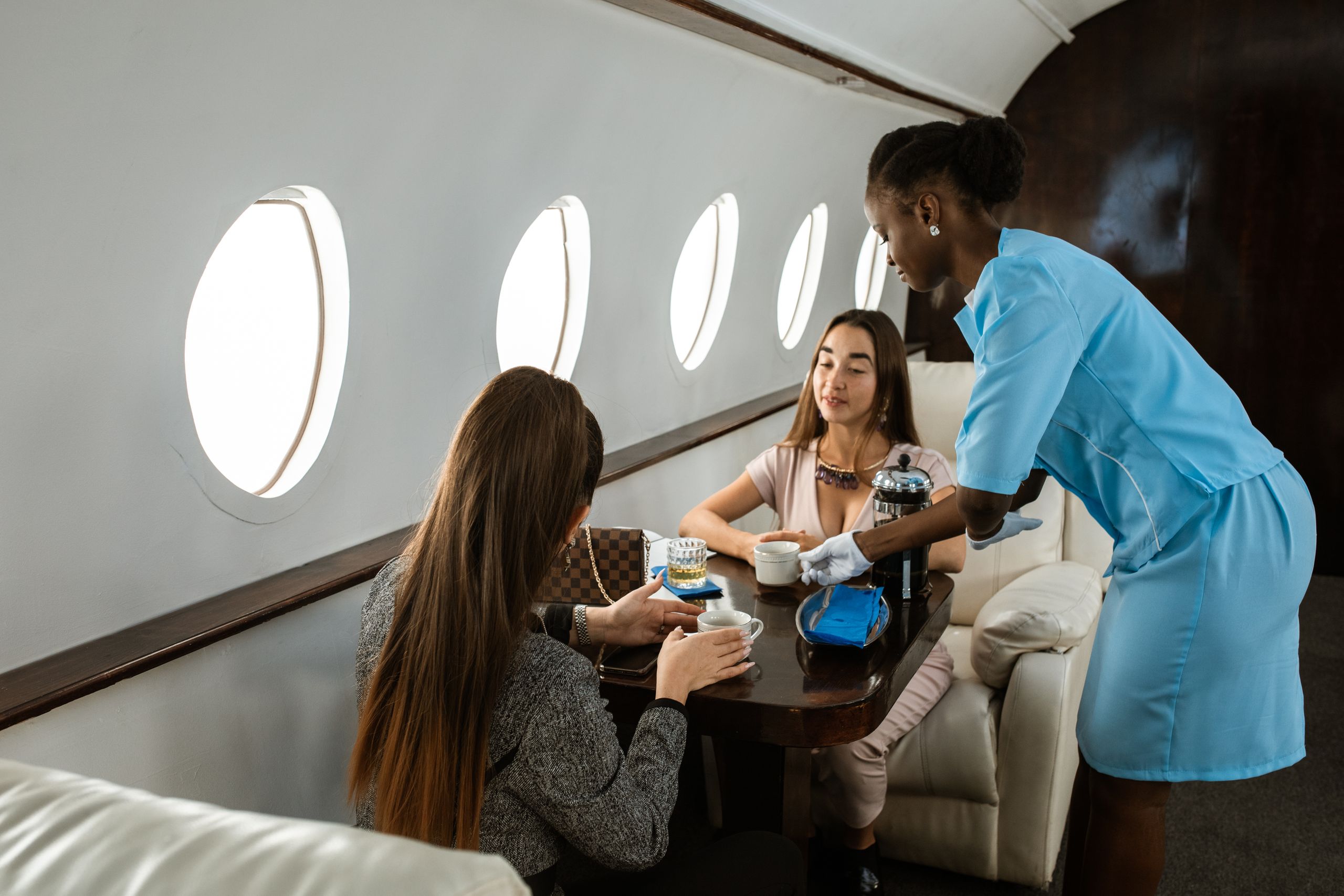
Complimentary upgrades helped make airline loyalty programs attractive. Frequent flyers tolerated crowded airports, schedule problems, and expensive fares partly because elite status offered a realistic path to a better seat. That bargain is weakening. Airlines now possess the technology to sell premium seats until much closer to departure, even after most passengers have purchased their original tickets.
A traveler willing to pay $200 for an upgrade is more valuable on that flight than an elite member hoping to receive the seat for free. From the airline’s perspective, leaving premium inventory untouched for complimentary upgrades means surrendering possible revenue.
Elite status still provides useful benefits, including priority service, baggage allowances, and occasional cabin upgrades. However, paid upgrade offers make the most desirable reward harder to obtain. This can leave loyal customers in an uncomfortable position. They may spend thousands of dollars chasing status, only to discover that the seat they expected as a reward has been sold through the app.
The airline wins either way. It collects revenue from the traveler purchasing the upgrade while continuing to benefit from the loyalty and spending of customers waiting behind them.
Premium Economy Is the Industry’s Most Effective Pressure Point
Premium economy has become the crucial middle cabin because it targets travelers who cannot justify business class but strongly dislike standard economy. It promises visible improvement without reaching the most extreme ticket prices. The seat is usually wider and offers additional recline and legroom. Depending on the airline and route, passengers may also receive better meals, additional baggage, priority boarding, or upgraded service.
For the passenger, the product can feel like a practical compromise. For the airline, it creates another opportunity to collect hundreds of dollars while using considerably less aircraft space than a lie-flat business class seat. On heavily traveled transatlantic routes, business class can generate almost as much ticket revenue as economy while occupying less cabin space and delivering stronger margins.
A 2026 McKinsey analysis found that premium cabins are contributing a growing share of airline seats, passengers, and revenue. The same analysis noted that Delta previously reported premium cabin margins 15 percentage points higher than economy margins. That difference helps explain why airlines are adding upscale seating even when doing so requires expensive aircraft modifications.
Even Southwest Is Abandoning the One Cabin Ideal
Southwest Airlines built its identity around an unusually simple flying experience. Passengers did not face traditional first-class cabins, and the open seating system placed customers inside the same general product. That era has ended. Southwest introduced assigned seating and premium options, including extra legroom and preferred seats, on January 27, 2026.
The change allows Southwest to charge different customers different amounts for the space they occupy. It also brings the airline closer to the industry model in which almost every convenience can be separated, packaged, and priced. Southwest described the transition as a response to customer demand for more choice.
Yet the result remains the same for passengers: those who want additional comfort or a preferred position must pay more for it. Southwest’s assigned seating announcement details the new cabin structure.
JetBlue is moving deeper into the same market with BlueFirst; a domestic first-class product is expected to begin rolling out later in 2026. The airline is reorganizing its booking system around Main, EvenMore, BlueFirst, and Mint. Customers will select an onboard experience and then choose among different fare conditions. JetBlue’s announcement makes the premium ladder easier to understand, but it also creates more opportunities to spend.
The Growing Cabin Divide Reflects a Wider American Reality
The premium seating boom mirrors an economy in which Americans increasingly receive different experiences based on their ability to pay. Everyone reaches the same destination, but the journey can feel radically different. One passenger boards early, enters a lounge, checks bags without an additional charge, and sleeps in a private suite. Another waits through several boarding groups, worries about overhead space, and spends hours protecting a few inches of armrest.
Airlines did not create income inequality, but they have become exceptionally skilled at displaying it inside a narrow metal tube. The cabin turns financial differences into physical ones that can be measured in inches of legroom, degrees of recline, and minutes spent waiting.
Boeing’s 2026 Commercial Market Outlook says airlines generate nearly half of their revenue from a combination of premium passenger traffic, cargo, and ancillary products. Boeing’s industry outlook shows how important revenue outside ordinary economy tickets has become. The expansion will probably continue because the strategy is working.
Airlines are ordering aircraft with larger premium sections, rebuilding existing cabins, and designing digital systems that make upgrading effortless. Americans are not suddenly obsessed with champagne and luxury lounges.
Many are simply tired of paying hundreds of dollars to feel cramped, rushed, and uncomfortable. The industry has learned that this frustration has a price. As long as passengers keep paying to escape the economy, airlines will keep turning basic comfort into one of the most profitable products in the sky.