A Florida pageant queen who had built a life between Venezuela and Orlando has become one of the most recognizable faces of the devastating earthquakes in Venezuela. Skarlent Rodríguez, crowned Miss Grand Orlando 2025, and her boyfriend, José Castro, were found dead after days of searching through the wreckage in Catia La Mar, a coastal community in La Guaira state that suffered some of the worst destruction from the June 24 disaster. Their families said the couple recovered together after their apartment building collapsed, turning a private love story into one of the most heartbreaking images of a national catastrophe.
A Florida Pageant Queen Lost in the Venezuela Earthquakes
Rodríguez was known in Florida’s pageant circle as Miss Grand Orlando 2025, a title that gave her growing visibility among supporters, fellow contestants, and community members who followed her modeling and public appearances. She was Venezuelan by origin and connected to the U.S. through her pageant and modeling work, which made her death resonate far beyond the disaster zone.
What makes her story especially painful is the setting. She was not lost in a distant headline or an anonymous building collapse. She was found in the rubble beside Castro, the man her family and friends knew as her partner. For days, loved ones waited for answers while rescue teams and volunteers searched through broken concrete, unstable structures, and the dangerous remains of buildings shaken apart by one of Venezuela’s deadliest modern disasters.
The families later confirmed that Rodríguez and Castro had been found after several days missing. People reported that the couple’s bodies were recovered on June 29, four days after the earthquakes struck near Venezuela’s capital region. Castro’s father, grandmother, uncle, and aunt were also reported among the dead, making the loss not only a couple’s tragedy but a family devastation that cut across generations.
Catia La Mar Became One of the Hardest-Hit Areas
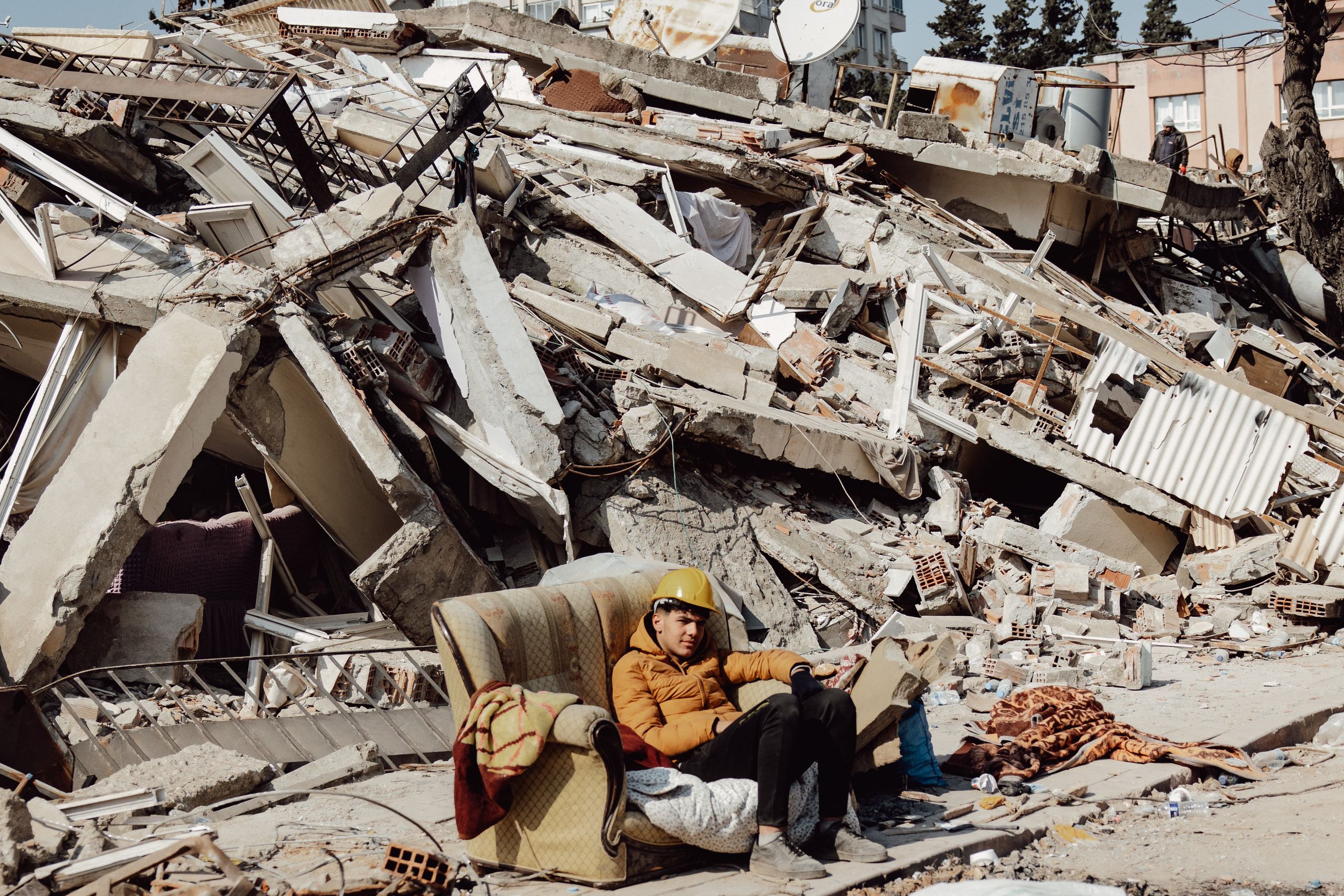
The couple lived in Catia La Mar, in La Guaira state, a region along Venezuela’s northern coast. After the quakes, La Guaira became one of the central points of the rescue and recovery effort. Buildings collapsed, streets filled with debris, and families moved from hope to dread as the hours passed.
The wider disaster began on June 24, when two powerful earthquakes struck northern Venezuela. The U.S. Geological Survey reported a magnitude 7.2 quake followed by a magnitude 7.5 quake west of Caracas. USGS also warned that the sequence likely triggered significant landslides across affected areas, adding another layer of danger for rescue teams and survivors.
In human terms, those numbers mean whole buildings buckled before people could escape. They mean families were separated in seconds. They mean survivors were left calling names into the dust, listening for any sound under the rubble. In Catia La Mar, that search became personal for the Rodríguez and Castro families as they waited for news of two young people whose lives had seemed full of movement, promise, and plans.
A Love Story Found Beneath the Rubble
The detail that stunned many readers was not only that Rodríguez and Castro died, but that they were found beside each other. Their families said the couple had been recovered together after the search. That image has traveled quickly because it says what statistics cannot. It reminds us that every collapsed building held a home, every missing-person notice carried a face, and every confirmed death left someone waiting with a phone in hand.
We often understand disasters through numbers first. Magnitude. Death toll. Injuries. Missing persons. But the story of Rodríguez and Castro forces the tragedy back into the human scale. A young woman known for pageant stages and public appearances. A boyfriend whose family was also torn apart. A building that became a grave. A search that ended with grief instead of rescue.
The Miss Grand Florida community mourned Rodríguez as someone remembered not only for beauty and accomplishment, but also for warmth, dignity, and the way she lifted others. That tribute matters because it gives shape to a life that could otherwise be reduced to a viral headline.
Venezuela’s Death Toll Keeps Rising
By July 2, Venezuela’s interim president, Delcy Rodríguez, said the death toll had reached 2,595, and authorities were still continuing search-and-rescue work. Reuters reported that many residents and aid groups criticized the government response as slow, while officials defended their handling of the crisis and said thousands of personnel had been deployed.
The Associated Press reported that La Guaira was overwhelmed by the number of bodies, with families rushing to identify loved ones as forensic workers struggled with limited space and resources. Thousands were still missing, and the identification process had become another painful chapter of the disaster.
That context makes Rodríguez and Castro’s recovery even more haunting. Their families at least received confirmation. Many other families are still trapped between fear and uncertainty, waiting outside morgues, shelters, hospitals, and damaged neighborhoods for names to be matched with the missing.
Rescue Efforts Became a Race Against Time
In the first days after the quakes, the search for survivors was urgent. People dug with shovels, tools, and in some cases, their bare hands. Reuters reported that civilians, firefighters, medical workers, foreign rescue teams, and volunteers from ordinary professions joined the effort across the hardest-hit areas.
That kind of rescue work is physically dangerous and emotionally punishing. Every movement of concrete can reveal a survivor, a body, or another unstable section of debris. Families often stand nearby, unable to help but unable to leave. In the case of Rodríguez and Castro, those days ended with the discovery no family wants, but the search itself showed how deeply communities were fighting for each missing person.
The disaster also exposed the fragile line between survival and loss. In La Guaira, Reuters reported the rescue of Hernán Alberto Gil, a security guard who had been trapped for more than a week beneath a collapsed mall. His survival offered a rare moment of hope amid the growing death toll.
Why This Story Has Reached Florida, Venezuela, and Beyond
Rodríguez’s death reached audiences across borders because her life crossed them. She represented Orlando in a pageant. She came from Venezuela. She was part of a beauty and modeling community that knew her through images, events, and public-facing work. Her death connected the Florida pageant world to the Venezuela earthquake disaster in a painfully direct way.
For Venezuelan families abroad, the story carries an added weight. It reflects the helplessness of watching a homeland suffer from far away. For readers in Florida, it brings the disaster closer to home. For the pageant community, it turns a public title into a memorial. For families still searching in Venezuela, it is one more reminder that the country is grieving person by person, name by name.
We should not treat Rodríguez as only “a beauty queen killed in an earthquake.” That phrase may draw attention, but it is too small for the life behind it. She was a daughter, a partner, a Venezuelan woman with a public dream, a young person whose future was interrupted by a disaster that has left thousands of families in mourning.
The Bigger Warning Behind the Venezuela Earthquakes
The USGS warning about landslides matters because earthquakes do not end when the ground stops shaking. They leave behind unstable slopes, cracked buildings, blocked roads, damaged hospitals, and communities suddenly forced to live in open spaces or temporary shelters.
La Guaira’s crisis shows how quickly a natural disaster becomes a humanitarian emergency. When buildings collapse, rescue crews need heavy equipment. When hospitals fill, medical teams need supplies. When bodies cannot be identified quickly, families are forced into another layer of trauma. When thousands are missing, rumors and fear spread faster than official information.
This is why the story of Rodríguez and Castro should be read as more than a celebrity-adjacent tragedy. It is a window into the broader cost of the earthquakes in Venezuela. Behind their names are thousands of other names still being confirmed, searched for, mourned, or feared lost.
What We Know About Skarlent Rodríguez and José Castro
Rodríguez was crowned Miss Grand Orlando 2025 and was remembered by the pageant community for her grace, optimism, and uplifting presence. She also worked in promotional modeling, which gave her a public profile that helped the news of her death spread quickly among friends, followers, and supporters.
Castro’s loss is equally devastating, especially because several members of his family also died in the earthquake. The scale of that family tragedy is difficult to absorb. One disaster did not take one life from the family. It tore through multiple branches at once.
Together, Rodríguez and Castro now symbolize one of the most painful truths of the Venezuela earthquakes: some families not only lose homes. They lost whole futures.
A Nation Still Searching, Mourning, and Counting the Dead
As Venezuela continues to recover bodies and search for survivors, the final toll remains uncertain. Reuters reported that the government had not ended search-and-rescue operations as of July 2. AP reported that forensic workers expected the recovery process to continue for months in some areas.
That means the story is still unfolding. More names may be confirmed. More families may receive the news they fear most. More survivors may emerge with stories of impossible endurance. And more communities will be left to rebuild from a disaster that changed their lives in less than a minute.
For now, the deaths of Skarlent Rodríguez and José Castro stand as one of the most heartbreaking stories from the Venezuela earthquakes. They were found together beneath the rubble, but the grief around them stretches far beyond one collapsed building. It reaches Orlando. It reaches La Guaira. It reaches every family still waiting for a name, a call, a rescue, or a goodbye.