A major political and legal battle is now unfolding over ABC’s The View as federal regulators weigh whether the daytime talk show should be treated as a news program or a political platform. The Federal Communications Commission is reviewing arguments related to equal time rules governing how broadcast networks must handle appearances by political candidates.
At stake is not just one television show, but the future boundary between entertainment television and political communication on public airwaves.
The dispute has drawn national attention after a conservative watchdog group accused the program of operating with clear political bias. The Media Research Center argues that The View functions less like journalism and more like a political operation aligned with Democratic messaging. ABC rejects that claim and says the show is protected in editorial content under First Amendment principles.
A Legal Rule Designed for Broadcast Fairness Now at the Center

The controversy is rooted in federal equal time rules under Section 315 of the Communications Act and federal broadcast regulations that govern licensed television stations. These rules require broadcasters to provide fair access to competing political candidates when one candidate receives airtime outside exempt programming.
Exemptions apply to bona fide news interviews, bona fide newscasts, documentaries, and live coverage of news events.
The central question now is whether The View qualifies for that exemption. If it does, political guests can appear without triggering equal time obligations for opposing candidates. If it does not, every qualifying appearance by a candidate could require ABC to offer its rivals equivalent airtime.
The Federal Communications Commission has historically avoided drawing a bright line around talk shows, which leaves the current case sitting in a gray legal zone. That uncertainty is now driving a wider debate about how modern television formats should be classified in a political era where entertainment and news often overlap.
The Trigger Moment That Brought FCC Scrutiny
The current investigation intensified after Texas Democratic Senate candidate James Talarico appeared on The View. His interview prompted questions about whether the program’s format counts as exempt news content or as regulated candidate airtime. That distinction determines whether equal time rules apply to competing candidates in the same race.
ABC maintains that interviews like this fall under standard news style programming that has long been protected from equal time requirements. The network argues that political guests regularly appear on broadcast television without triggering obligations to make rival appearances. The FCC must now decide whether The View fits that established tradition or crosses into a different category of programming.
Watchdog Group Claims a Pattern of Political Alignment
The Media Research Center has taken a far more aggressive position, arguing that The View should not be treated as a neutral news interview program. The group says it has submitted thousands of examples showing what it describes as consistent political alignment in guest selection and on air commentary.
According to its filing, the show frequently amplifies Democratic candidates and left leaning political messaging.
The group also highlights moments where hosts have made statements that it interprets as encouraging political participation in specific directions during election cycles. It argues that these patterns show the program is not simply hosting political discussion but actively shaping political outcomes.
ABC has not publicly responded in detail to every example cited in the filing, but it strongly disputes the overall characterization.
ABC Defends Editorial Freedom and First Amendment Protection
ABC has framed the FCC review as a threat to free expression and editorial independence. The network argues that The View is a legitimate platform for political conversation that reflects a wide range of viewpoints and newsworthy discussions. It says government intervention in guest selection would create a chilling effect across broadcast television.
The network is also actively engaging viewers through an on air campaign urging public support for the program. That campaign warns against government control over who is allowed to appear on television talk shows. ABC presents the issue as a broader fight over whether regulators should have influence over programming decisions on licensed broadcast channels.
Why the Bona Fide News Question Is So Important
At the center of the legal debate is the definition of a bona fide news interview program. This classification determines whether a show receives exemption from equal time obligations. The FCC must evaluate whether programming decisions are based on journalistic judgment or political intent.
This is not a simple label. Regulators often look at format structure, editorial control, and whether guest selection follows news value rather than political strategy. A program can include opinion and still qualify, but the intent and overall pattern matter in the analysis.
The challenge in this case is that modern talk shows blend news, commentary, entertainment, and political discussion in a single format. That makes it harder to apply rules designed in a much earlier broadcast era.
Broadcast Spectrum Rules Add Higher Stakes
Unlike cable or streaming platforms, ABC operates under a federal broadcast license that uses public airwaves. That means it is subject to FCC regulation in ways that digital platforms are not. This distinction is one of the reasons The View is now under formal review, while similar shows on podcasts or streaming services are not.
This structure also explains why the case is drawing attention beyond entertainment media. Any ruling could influence how broadcast networks approach political interviews during election cycles. It could also reshape how regulators interpret public interest obligations in modern media environments.
Campaign Strategy Has Changed How Political Media Works
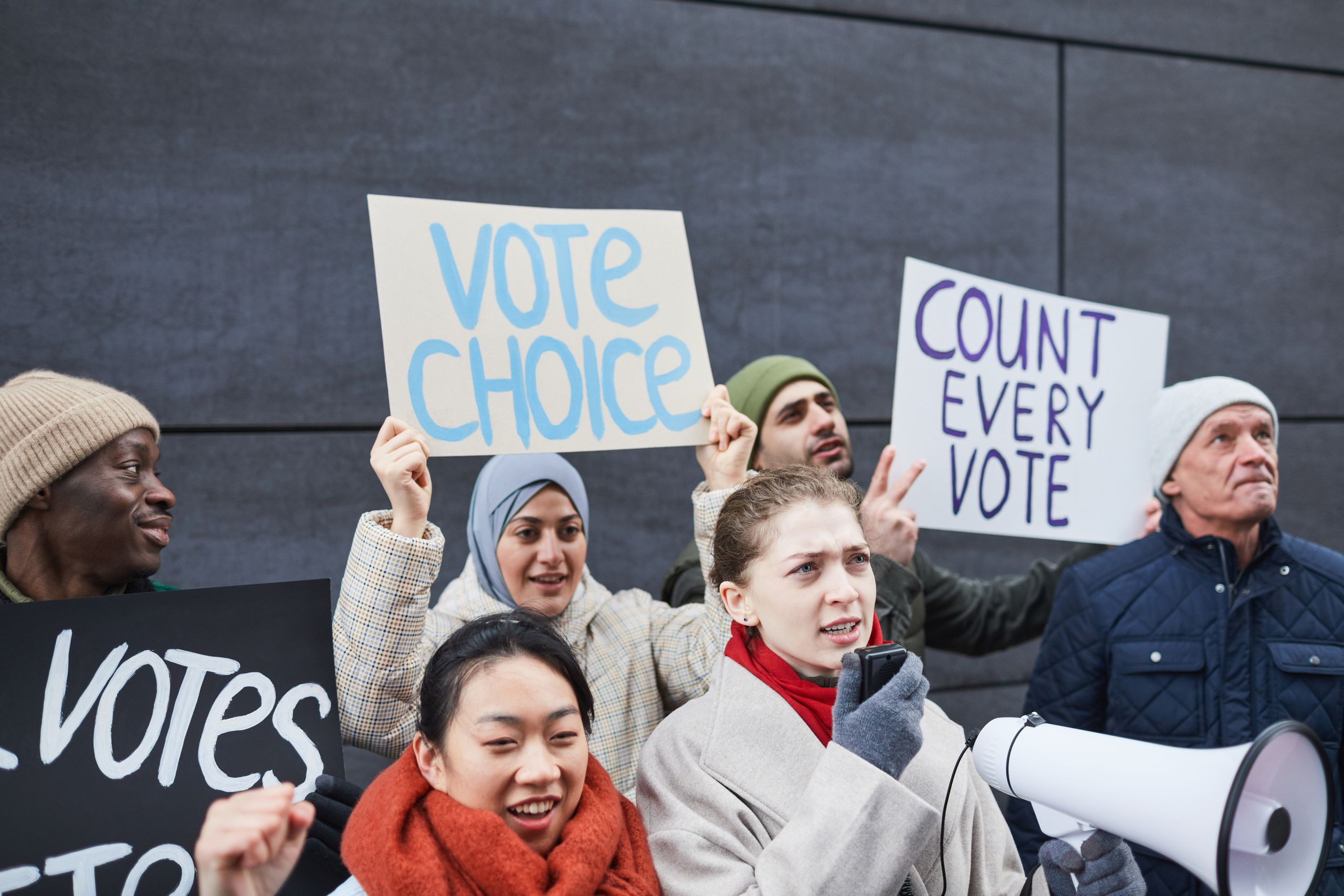
Political campaigns today rely heavily on appearances across entertainment platforms, not just traditional news outlets. Candidates now appear on talk shows, influencer interviews, podcasts, and lifestyle programming to reach voters who may not watch cable news. This shift has blurred the line between campaigning and entertainment content.
That evolution is now colliding with older broadcast rules that were designed for a different media landscape. A single interview can now function as both entertainment and political messaging. Regulators are being forced to decide how those appearances should be categorized under laws that did not anticipate today’s media ecosystem.
Why This Case Is Rare in FCC History
It is uncommon for daytime talk shows to be reviewed at this level under equal time rules. Most FCC enforcement actions involve political advertising or clearly defined campaign broadcasts. Talk shows usually fall into a category where editorial discretion is broadly protected.
This makes the current review unusual in both scope and visibility. The FCC is being asked not just to evaluate one program but to clarify how far the bona fide news exemption extends in practice. That decision could set a reference point for future disputes involving similar programs.
Historical Practice Suggests Caution From Regulators
Past FCC decisions have generally leaned toward protecting editorial freedom unless there is a clear violation of campaign law. Regulators have historically avoided strict interference in programming decisions involving interviews and commentary. That pattern may influence how the agency approaches this case.
At the same time, there is no definitive ruling that fully settles the classification of modern talk shows. That gap in precedent gives both sides room to argue their interpretation of the rules. It also leaves the FCC with significant discretion in shaping how the law applies going forward.
What Comes Next for The View and the FCC
The FCC will now review filings, evidence submissions, and public comments before issuing guidance or a formal decision. The agency could affirm ABC’s position, reject the exemption request, or issue a narrower ruling focused on specific circumstances. Each outcome carries different implications for broadcasters.
If the exemption is upheld, The View will continue operating under existing interview protections. If it is rejected, future candidate appearances could trigger equal time obligations for opposing campaigns. Either way, the decision will likely influence how networks approach political bookings during election seasons.
The Bigger Question About Modern News and Political Media
This case ultimately raises a larger question about what counts as news in an era where entertainment and politics constantly overlap. Television audiences now consume political content through formats that blend opinion, humor, interviews, and commentary. That reality challenges older definitions of journalism.
The FCC now faces the task of applying broadcast law to a media environment that has changed dramatically. Whatever decision is made will not just affect one program. It will help define how political communication is regulated across American television in the years ahead.