A cage full of frightened cats can say more about a criminal network than any police file ever could. In Ho Chi Minh City, authorities say they uncovered one of Vietnam’s largest recent cat meat trade cases after rescuing hundreds of cats from an alleged theft and trafficking ring that had been moving animals across southern Vietnam.
The case has shocked pet owners, animal welfare groups, and ordinary families who have spent months searching alleys, markets, and social media pages for missing cats. What police found was not just a warehouse of animals. It was a system: stolen pets, packed cages, transit points, buyers, suspected middlemen, and a quiet trade that turns family animals into kilograms of meat.
According to local reports and animal welfare groups, more than 400 live cats were rescued during the operation. Authorities also recovered about 80 dead cats stored in ice-filled foam containers and later found additional cats at another location, bringing the total number of cats found or seized to more than 500. Nine suspects were detained as police continued to examine each person’s alleged role in the network.
Ho Chi Minh City Police Bust Alleged Cat Theft Network Across Southern Vietnam
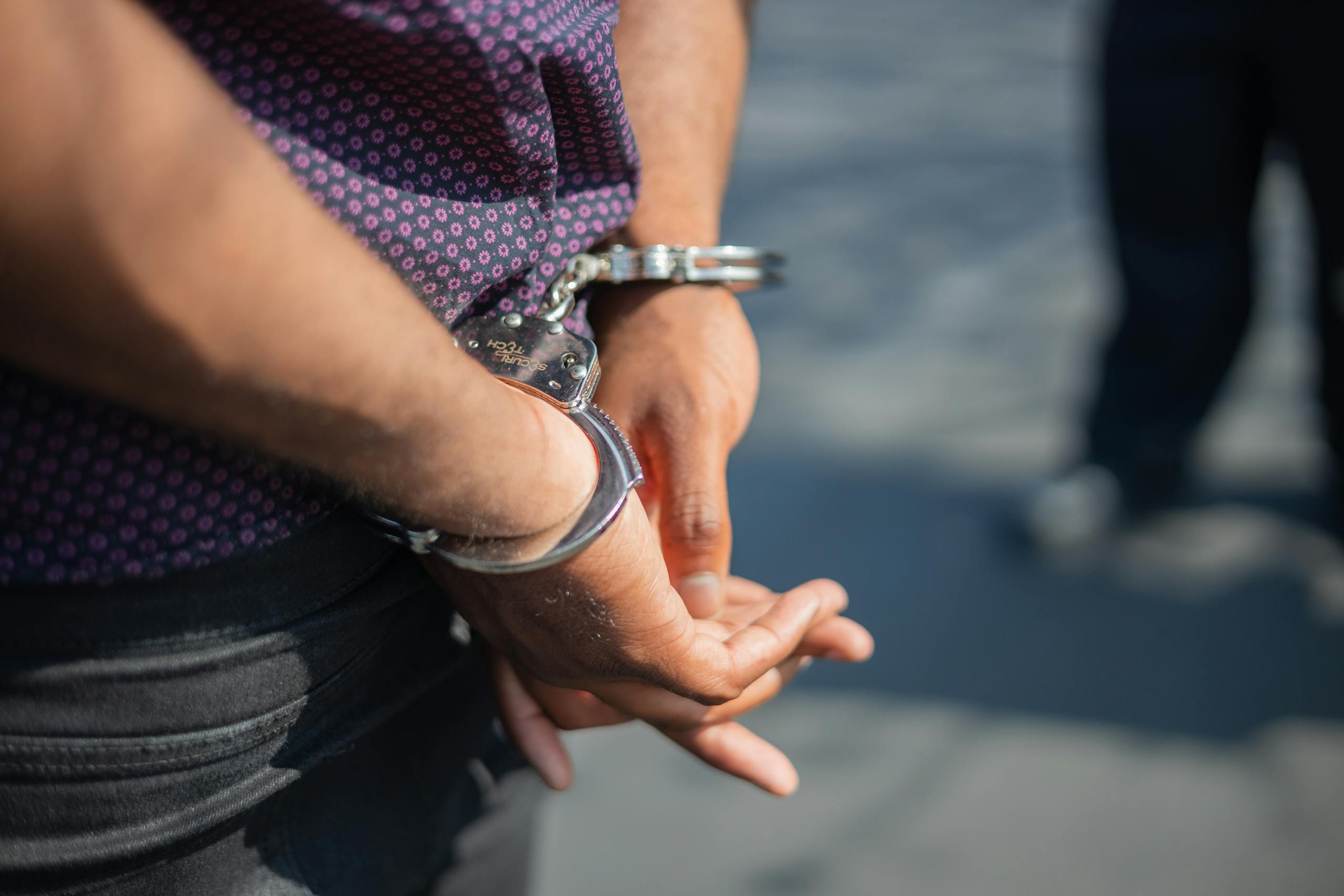
Police in Ho Chi Minh City said the suspected network operated across multiple localities in southern Vietnam, including Ho Chi Minh City, Tay Ninh, and An Giang. Investigators allege the group had been trapping, collecting, storing, and transporting cats for about three years before the major crackdown.
The operation reportedly began as part of a wider anti-crime campaign by municipal police. That detail matters because this case was not treated only as an animal welfare issue. It was also handled as an organized theft and trafficking matter involving property, public order, and suspected illegal trade.
Authorities said suspects admitted to capturing and collecting cats before selling them to buyers once enough animals had been gathered. Police reports described transactions occurring every two to three days, indicating a pattern that looks less like isolated theft and more like a repeat-business pipeline.
For families in Vietnam, the case carries a painful reality. A missing cat is not always simply lost. In areas where the cat meat trade continues, a pet that disappears from a doorway, courtyard, or street corner may have been targeted, trapped, and moved into a supply chain before its owner even knows where to search.
Hundreds of Cats Found in Cages, With More Dead Cats Stored on Ice
One of the most disturbing discoveries came when police inspected a collection site reportedly used as a transit point. Authorities found 45 cages holding around 400 live cats. They also discovered four foam-filled ice containers and approximately 80 dead cats, prepared for transport and sale.
That detail changed the emotional weight of the bust. This was not only a rescue story. It was also a glimpse into how close many of the surviving animals may have come to slaughter.
Police later expanded the operation and found more cats at another location in Ho Chi Minh City. The total number of animals recovered or seized exceeded 500, making the case one of the largest cat-related welfare and trafficking busts reported in Vietnam in recent years.
Animal welfare workers described many of the cats as weak, stressed, thin, and exhausted. Some had survived days in packed cages with little comfort. Several were pregnant. Some kittens were reportedly born after the rescue, turning a police evidence site into an emergency shelter almost overnight.
Stolen Pets, Missing Families, and the Human Cost Behind the Cat Meat Trade
The most powerful part of this case is not the number of cats. It is the number of people who came looking for them.
After the rescue, pet owners reportedly arrived to identify missing animals. More than 40 cats were reunited with their families, according to animal welfare groups. For those owners, the police bust became the rare ending every missing-pet search hopes for: a frightened animal found alive before it vanished forever.
But many families did not find their cats. That pain has become part of the story, too. In a case this large, every cage held the possibility of recognition: a familiar face, a collar mark, a scar, a pattern of fur, a pet that once slept by someone’s window.
The reunions show why pet theft is not a minor offense for those who experience it. A stolen cat can mean emotional loss, fear, guilt, and anger. Owners may never know whether their pet escaped, was taken, was sold, or was killed. That uncertainty is one of the cruelest parts of the trade.
Why Cat Meat Remains a Controversial Issue in Vietnam
The consumption of dog and cat meat is legal in Vietnam under certain conditions, though vendors are expected to have documentation that validates the animals’ origins. That legal gray zone has long created enforcement challenges, especially when stolen pets and undocumented animals enter the market.
This case brings the central question into sharp focus: even where the sale of cat meat exists, how can authorities separate legal supply from stolen pets, trafficked animals, and cruel transport practices?
Animal welfare groups argue that the trade cannot be cleanly separated from theft because stolen pets and community animals are often targeted. The Ho Chi Minh City bust appears to support that concern, with police describing an alleged network that trapped and collected cats from different areas before selling them by weight.
The reported price also reveals the cold economics behind the suffering. Police said cats were allegedly sold for about 70,000 Vietnamese dong per kilogram, roughly a few U.S. dollars. That means a family pet could be reduced to a small cash transaction inside a chain of collectors, transporters, and buyers.
A Rescue Center Becomes a Temporary Shelter for Evidence and Survivors
After the bust, the rescued cats were taken to a temporary care site connected to the Ho Chi Minh City Criminal Police Division. Veterinarians, volunteers, and animal welfare workers stepped in to provide emergency support, including food, cooling fans, medical care, and assistance with identification for owners searching for missing pets.
The rescue did not end when the cages were opened. Many cats still needed treatment. Some were too weak to recover. Others had to remain in custody as evidence while police continued their investigation.
That creates a difficult balance for authorities and rescuers. The cats are living victims, but they are also part of a criminal case. They need medical care, food, safe housing, and time to recover, while investigators need documentation, identification, and proof connected to the alleged trafficking network.
For volunteers, the task is enormous. Hundreds of cats require daily feeding, cleaning, monitoring, and medical checks. Pregnant cats and newborn kittens add another layer of urgency. Every animal that survives the first days after rescue still needs a long-term plan.