A hospital is supposed to be the place people run toward when life is already at its worst. On Tuesday afternoon, that sense of safety was shattered at Wilmington Hospital in Delaware when gunfire erupted inside the medical campus, leaving one person dead, another injured, and workers and patients locked behind doors as police swept through the building.
We now know that a 23-year-old suspect was taken into custody in Philadelphia Tuesday night in connection with the deadly shooting, according to police. Charges were pending, and the suspect was awaiting extradition to Delaware as investigators continued to piece together what happened inside one of Wilmington’s most important health care facilities.
The shooting, reported around 3:30 p.m. on the 500 block of West 14th Street, triggered a large emergency response, a hospital lockdown, patient diversions, and hours of fear for people who had entered the hospital expecting care, not chaos.
What We Know About the Wilmington Hospital Shooting
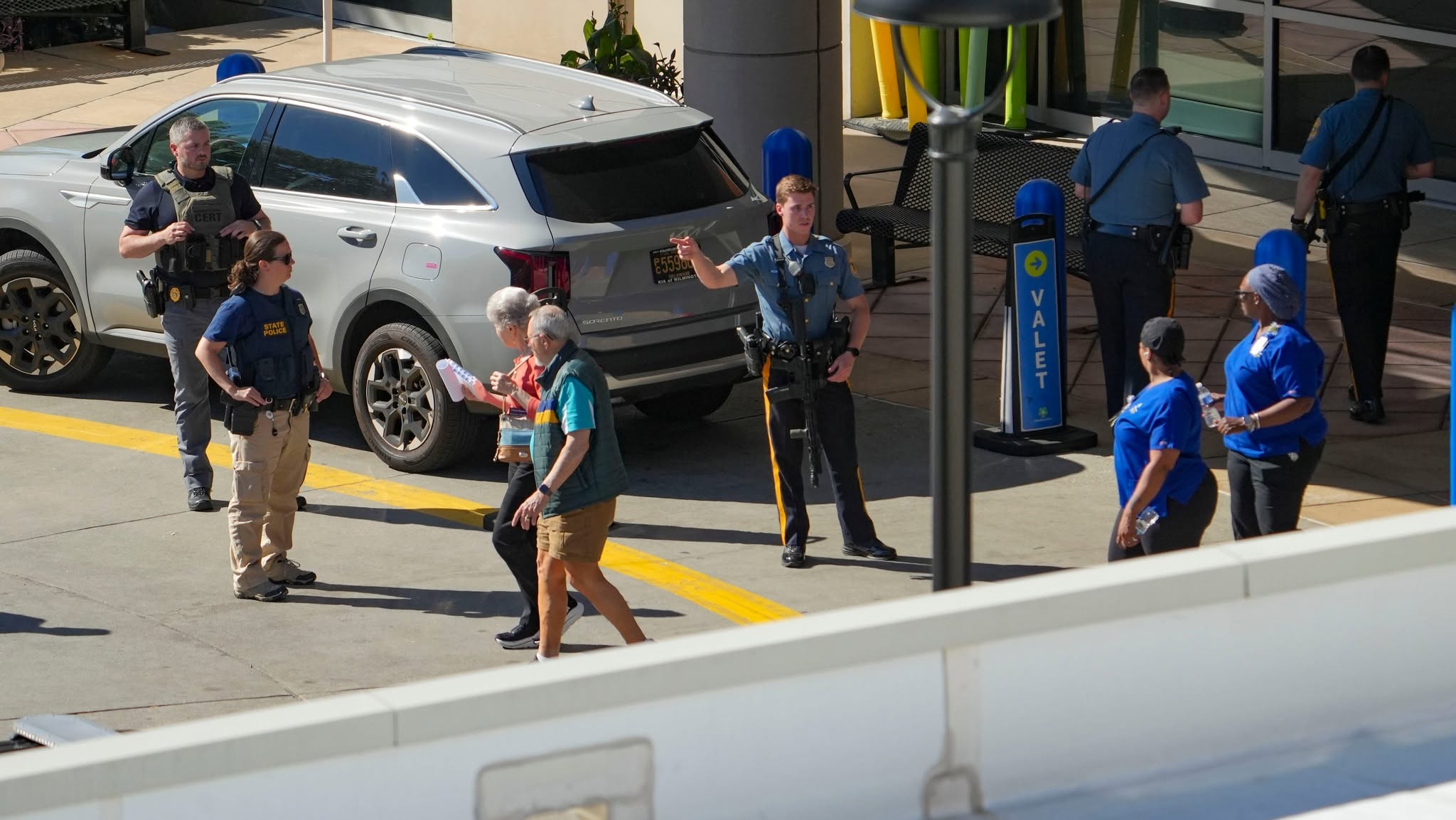
Wilmington Police Chief Wilfredo Campos said officers responded to Wilmington Hospital after reports of a shooting on campus. When police arrived, they found two gunshot victims. One person died, while the condition of the second victim was not immediately released.
Authorities did not immediately identify the victims. That delay matters. In violent breaking news cases, officials often hold back names until relatives are notified and investigators confirm key details. We should not fill that silence with guesses.
Police also did not immediately confirm whether the suspect worked at the hospital, had previously worked there, or had any other connection to the victims or the facility. Campos declined to answer that question during the early public briefing, a sign that investigators were still protecting details that may become important in court.
For now, the confirmed core of the case is simple and painful: two people were shot inside Wilmington Hospital, one of them died, another was injured, and the person suspected in the shooting was later captured in Philadelphia.
A Lockdown Turned a Hospital Into a Fear Zone
The shooting forced Wilmington Hospital into lockdown for several hours. That meant workers, patients, and visitors were stuck inside as law enforcement teams moved through the building, clearing floors.
Mayor John Carney described what hospital employees endured as a “terrible day,” saying it was difficult to imagine what staff members were thinking as they were barricaded in rooms while officers searched the hospital floor by floor.
That image is what makes this story hit harder than another police blotter update. These were not people gathered at a nightclub, a parking lot, or a street corner. They were in a hospital. Some were working. Some were sick. Some were waiting for news about loved ones. Others were doing the ordinary things people do in a medical building: checking in, guiding patients, switching cars, visiting family, or seeking treatment.
Then the sound of gunfire changed everything.
ChristianaCare, which operates Wilmington Hospital, said the emergency department diverted patients after the shooting. That decision likely sent incoming emergency cases elsewhere while police secured the campus. The hospital later reopened after the lockdown was lifted.
“It Sounded Like Firecrackers”: A Worker’s Escape
One of the most human moments came from Brian Pfeffer, a patient guide at Wilmington Hospital. He said he was in the emergency room when he heard what sounded like two firecrackers. Then he ran.
His reaction was not polished. It was honest. He said the overwhelming feeling was to get out, adding that this is what people are trained to do in dangerous situations.
That detail says a lot about modern America. Workers in schools, hospitals, offices, stores, churches, and public buildings are increasingly trained to think about escape routes. We do not just train people to do their jobs anymore. We train them for the possibility that violence may interrupt their day without warning.
Pfeffer also called the shooting “scary” and said someone needs to figure out what can be done. His frustration was plain, and it captured what many people feel after violence reaches a place meant for healing.
Families Waited in Fear as SWAT Teams Cleared Rooms
The fear did not stop with the people inside the hospital. It spread to relatives outside who could not immediately reach their loved ones.
Lydia Jones said her daughter works at Wilmington Hospital and was locked inside a room while SWAT teams moved through the building. Jones had been planning to switch cars with her daughter when the shooting happened. Instead, she found herself waiting for answers while police searched for the shooter.
Her daughter was eventually reunited with her, but the fear remained. Jones summed it up in a few painful words: “It’s very scary … it’s the world that we live in.”
That sentence carries the emotional weight of the day. People are reacting to more than one shooting. They are reacting to a pattern that has made public spaces feel less certain, even places designed to save lives.
Law Enforcement Response Stretched Across Delaware and Philadelphia
The investigation is being led by Wilmington Police, with assistance from New Castle County Police, Delaware State Police, and the FBI in Baltimore. The involvement of multiple agencies shows how quickly a hospital shooting can become a regional law enforcement operation.
The suspect being taken into custody in Philadelphia also adds an interstate layer. Because the shooting happened in Delaware and the suspect was arrested in Pennsylvania, extradition is part of the legal path ahead. That means Delaware authorities must bring the suspect back to face any charges filed there.
Police said charges were pending. Until charges are formally announced, the suspect should be described carefully as a suspect, not as a convicted person. That distinction is important for accuracy and fairness.
Officials Reacted With Sympathy and Alarm
Mayor John Carney called the shooting “senseless” and offered prayers for Wilmington Hospital employees who lived through the lockdown.
Delaware Gov. Matt Meyer said the incident hit close to home because his wife works within the ChristianaCare health system. He called it a “sobering reminder” that nobody is immune to the devastation of gun violence.
Rep. Sarah McBride said she was praying for the patients and providers who were on site. Sen. Chris Coons said he was monitoring the situation and praying for patients, health care workers, first responders, and law enforcement officers. Sen. Lisa Blunt Rochester said she had been briefed and was grateful for the swift law enforcement response.
ChristianaCare’s incoming president and CEO, Jennifer Schwartz, called it “a tragic and deeply painful moment for our community,” saying the organization’s hearts were with the victims, their families, loved ones, and everyone affected.
Those statements follow the familiar rhythm after public violence: grief, gratitude for first responders, concern for victims, and a promise to wait for more facts. But for the people inside the hospital, the reality was more immediate than any statement could be. They heard shots. They hid. They ran. They waited
What Comes Next in the Investigation
Several key questions remain unanswered. Police have not publicly released the victims’ names. The surviving victim’s condition was not immediately available. Investigators have not publicly confirmed a motive. They also have not publicly confirmed whether the suspect had an employment connection to the hospital.
Those gaps are not small. They will shape the next stage of the story.
If the suspect is extradited to Delaware, prosecutors are expected to announce formal charges. Investigators will likely review surveillance video, witness statements, hospital access points, phone records, and any known connection between the suspect and the victims. If the shooting involved employees or a workplace dispute, that may become part of the criminal case. If it did not, officials will need to explain how the suspect entered, moved through, and left the hospital.
For now, the public should watch for official updates from Wilmington Police, Delaware authorities, ChristianaCare, and prosecutors. Breaking stories can shift quickly, and early details are often incomplete.