We have all seen it. That small pocket tucked inside the front pocket of a pair of jeans looks too tiny for a phone, too stiff for comfort, and too oddly placed to seem modern. Yet it has survived more than 100 years of fashion changes, denim redesigns, and shifting daily habits.
The tiny pocket on jeans was originally made for a very specific purpose: holding a pocket watch. Long before smartphones, smartwatches, and digital clocks became part of everyday life, many working men carried small watches attached to chains. For miners, cowboys, railroad workers, farmers, and carpenters, the little pocket gave them a safer place to keep that watch while working.
That simple feature became one of denim’s most recognizable details. Even though most people no longer carry pocket watches, the small pocket remains on many jeans because it connects modern denim to its rugged workwear roots.
What Was the Tiny Pocket on Jeans Originally Made For?
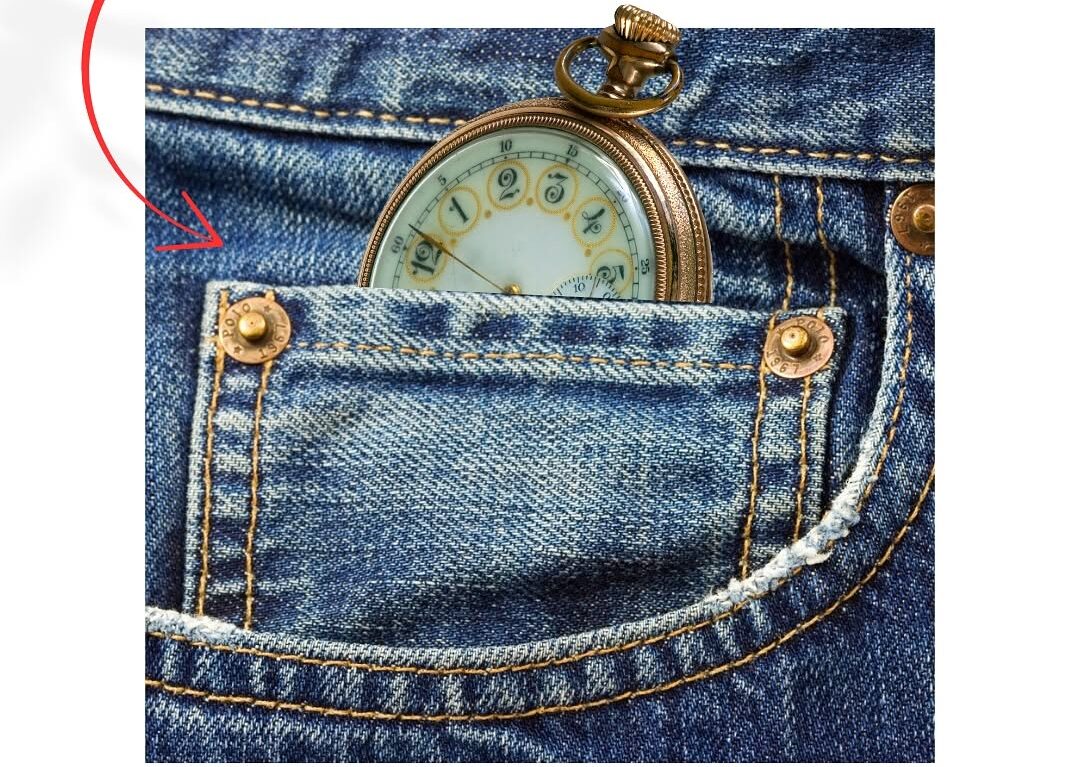
The tiny pocket on jeans was originally designed to hold a watch. In the late 1800s, pocket watches were common, especially among men who needed to keep track of time during long workdays. A watch could be expensive, fragile, and easily damaged if it bounced around in a large pocket with tools, coins, keys, or other rough objects.
Early jeans were not fashion pieces. They were work pants built for people doing hard physical labor. Workers needed clothing that could survive dirt, sweat, movement, and repeated strain. The small watch pocket helped protect an important item while keeping it easily accessible.
This is why the feature is sometimes still called a watch pocket, even though many people today call it a coin pocket, fifth pocket, or mini pocket. The name changed in casual conversation, but the original purpose was tied to timekeeping.
How Levi Strauss Helped Make the Watch Pocket Famous
The history of the tiny jeans pocket is closely tied to the rise of riveted denim. Levi Strauss and Jacob Davis are widely associated with the early development of durable blue jeans in the 1870s. Their work helped turn denim pants into reliable clothing for laborers across the American West.
The pocket watch was a practical accessory at the time, so adding a small pocket made sense. It gave workers a secure spot for a watch without forcing them to wear a vest or jacket. For people doing physical work, that mattered.
By the late 19th century, jeans were becoming more standardized, and the small front pocket became part of the classic five-pocket design. That design usually included two back pockets, two front pockets, and the small watch pocket tucked into one front pocket.
Why the Tiny Pocket Has Rivets
One detail many people miss is the tiny metal rivets near the pocket opening. These small metal fasteners are not just decorative. They were added to strengthen stress points on the jeans.
Workers often pulled items in and out of their pockets throughout the day. Over time, that movement could tear fabric, especially near pocket corners. Rivets helped stop the pocket from ripping apart under pressure.
This was one reason early jeans became so trusted by laborers. They were not delicate trousers made for sitting in offices. They were reinforced garments made to survive demanding work.
Why Jeans Still Have the Tiny Pocket Today
The tiny pocket remains because denim is one of the rare clothing categories where history is part of the design. Many modern jeans still borrow heavily from the original workwear look, even when they are sold as fashion items.
Removing the pocket would make jeans feel less classic to many buyers. Even people who never use it recognize it as part of what jeans are supposed to look like. It has become a visual signature.
Fashion often keeps old details alive after their original purpose fades. Buttons on jacket sleeves, decorative stitching, and tiny jeans pockets all show how practical features can become style traditions.
What People Use the Tiny Pocket For Now
Today, the tiny pocket is no longer just a watch pocket. People use it for small items that might get lost in a larger pocket. That can include coins, folded cash, guitar picks, lip balm, rings, small keys, earbuds, or a transit card.
Some people use it as a quick storage spot for small items they do not want to mix with keys or a phone. Others never use it at all, but still expect to see it on their jeans.
Its usefulness depends on the size of the pocket and the cut of the jeans. On some modern skinny jeans, the pocket is almost too tight to use. On looser or classic-fit jeans, it can still be surprisingly practical.
Many People Mistake It for a Coin Pocket
The name “coin pocket” became popular because coins are among the few modern items small enough to fit inside. Since pocket watches are no longer common, many people naturally assumed the pocket must have been made for loose change.
That guess makes sense, but it is not the original story. Coins may fit, but the pocket was designed around an older daily object that once played a major role in work life.
The confusion also shows how clothing history changes as habits change. When people stop using the original item, they reinterpret the feature based on what they use today.
The Tiny Pocket Is Part of the Five-Pocket Jeans Design
Most traditional jeans are called five-pocket jeans because they include five separate pockets. The small watch pocket counts as the fifth one. Without it, the jeans would usually be considered a four-pocket design.
This five-pocket layout became one of the most copied clothing designs in the world. It appears on budget denim, luxury denim, vintage reproductions, children’s jeans, and designer jeans.
That consistency is part of why the tiny pocket has lasted so long. It is not just a leftover feature. It is part of the blueprint that makes jeans instantly recognizable.
The Watch Pocket Shows How Denim Was Built for Workers First
Before jeans became a global fashion staple, they were practical clothing for people who needed toughness more than polish. Denim was valued because it could handle rough use. Rivets, heavy stitching, and reinforced pockets were all part of that purpose.
The watch pocket tells that story in miniature. It reminds us that jeans were designed around real working conditions, not runway trends. Every small detail had a job.
That history is also why jeans carry a rugged image even when they are expensive, distressed, or styled for fashion. The workwear identity is still stitched into the garment.
Why the Tiny Pocket Became a Fashion Detail
Once jeans moved from work sites into mainstream fashion, many original features became style markers. The watch pocket no longer needed to protect a pocket watch, but it helped jeans look authentic.
Designers kept it because consumers expected it. A pair of jeans without the small pocket can look slightly unfamiliar, even if most people cannot explain what is missing.
This is one reason denim brands rarely remove it completely. The pocket creates continuity between old workwear and modern clothing. It is a small detail, but it carries a strong visual memory.
Are Tiny Jeans Pockets Still Useful in 2026?
Yes, but their usefulness has changed. The pocket is no longer essential for timekeeping, yet it can still hold small items that are easy to misplace. For some wearers, it is useful for coins, lip balm, earbuds, or a small folded bill.
For others, it is purely decorative. Many people go years without putting anything inside it. That does not make it meaningless.
In 2026, the tiny pocket works as both a practical feature and a heritage detail. It may not serve the same purpose it did in the 1800s, but it still gives jeans part of their classic identity.