A father in suburban Michigan says he walked into his son’s school play expecting a simple evening of applause, proud smiles, and a few photos after the final bow. Instead, a seating request turned the event into a quiet argument about divorce, appearances, and how far schools should go when trying to protect a child’s emotions.
The issue began before the curtain opened. According to the father’s account, the school encouraged divorced or separated parents to sit together during the performance so children could feel supported by a united family presence. On paper, the idea sounded gentle. In real life, it placed two adults with a complicated history inside a public performance they had spent years carefully managing from a distance.
We often talk about co-parenting as if the best version always looks warm, close, and visibly friendly. But for many divorced parents, peace does not come from sitting side by side. It comes from maintaining clear boundaries, reducing conflict, and showing up without turning every school event into a performance of family unity.
The school’s request sounded simple, but it carried pressure.

The father says the school message included ordinary details about arrival time, seating, and the play schedule. Then came the line that changed everything. Divorced or separated parents would be seated together whenever possible, the note suggested, for the emotional benefit of the child.
That wording mattered. It did not sound like a casual invitation. It sounded like a soft rule wrapped in child-centered language. The father read it more than once because he was not sure whether the school was asking, recommending, or expecting compliance.
For parents who already feel judged after divorce, small phrases can carry heavy meaning. “For the child’s sake” may be intended as compassion, but it can also feel like a moral command. It suggests that any parent who says no may be choosing personal discomfort over the child’s wellbeing.
That is why this story became bigger than two auditorium seats. It touched a question many divorced families quietly face: Does a child need parents to look united in public, or does a child need adults who can remain calm, consistent, and honest without forcing closeness that no longer exists?
The father had already built a peaceful system.
The father said he and his ex-wife had attended school events separately for years. They did not make scenes. They did not argue in front of their son. They simply arrived apart, sat apart, and supported him in their own ways.
That kind of structure is common in post-divorce parenting. Some former couples can sit together comfortably. Others cannot. Some need distance because old arguments remain too close to the surface. Others need it because emotional boundaries help prevent confusion, resentment, or unnecessary tension.
In this case, the father believed the arrangement had worked. The child still saw both parents attend. The parents avoided visible conflict. The school events remained focused on the child rather than the divorce.
We should be careful before labeling that arrangement cold or selfish. Sometimes, the healthiest version of co-parenting is not closeness. Sometimes it is a restraint. A parent who chooses distance to avoid conflict may be acting maturely, even if it does not look warm from the outside.
The mother saw the request differently.
The child’s mother reportedly took a more flexible view. She suggested that they sit together for the short duration of the play, not because their relationship had changed, but because it might make their son feel less divided.
Her view also deserves serious attention. Many children of divorced parents do notice seating arrangements, body language, and awkward silence. A school performance can become emotionally charged if a child looks out from the stage and sees one parent on the left, the other on the right, and a visible space between them.
From the mother’s perspective, sitting together for one evening may have felt like a harmless gesture. It did not require reconciliation. It did not erase the divorce. It simply created a moment when the child could look out at the crowd and see both parents in the same place.
That is what makes the disagreement complicated. Both parents could argue that they were thinking about their son. One believed visible unity would comfort him. The other believed forced unity would create false expectations and emotional pressure.
The child sensed the tension before the play.
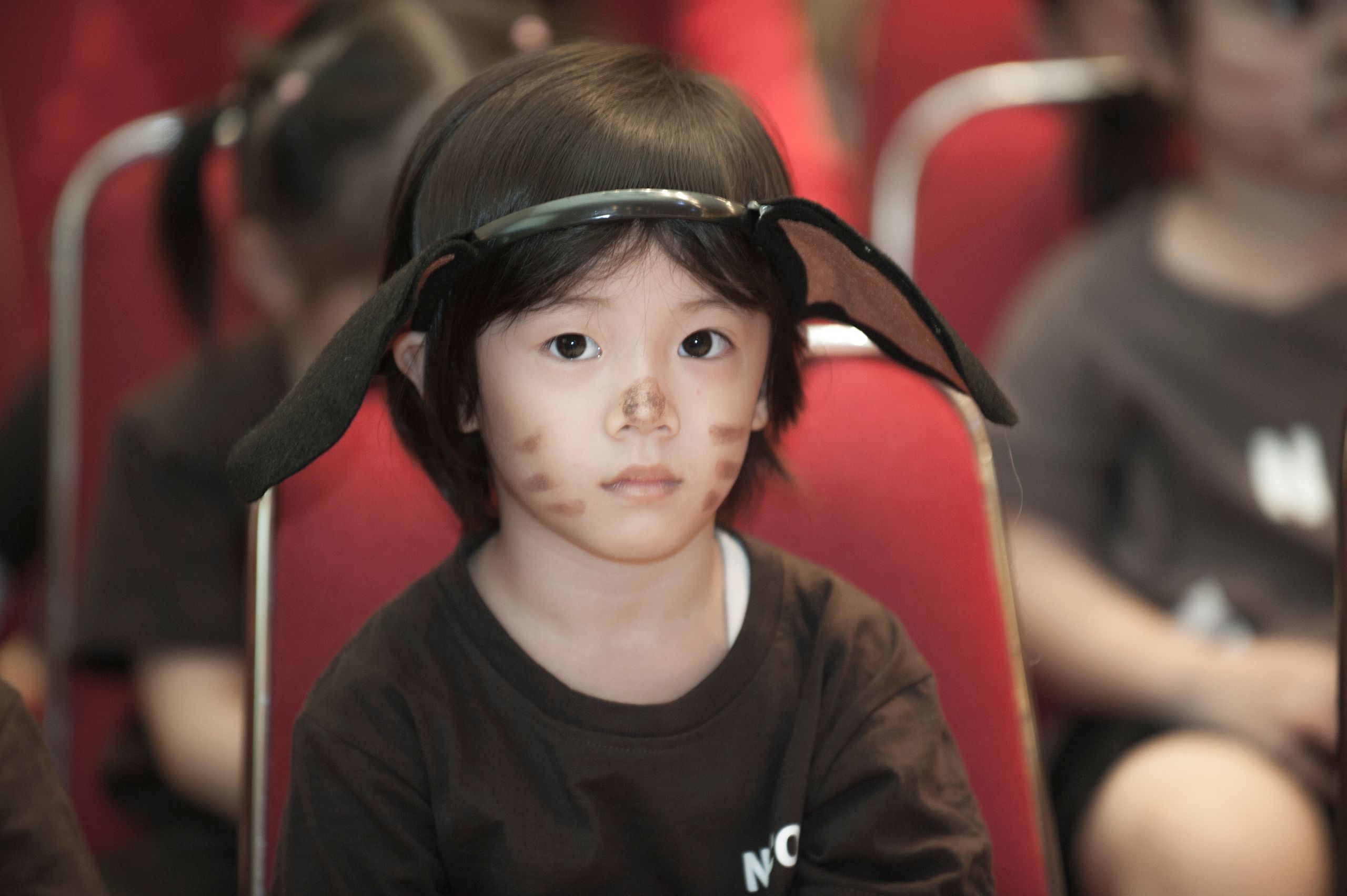
The most sensitive part of the story is that the son reportedly noticed something was wrong before the event even happened. He heard enough of the adult conversation to ask whether there was a problem with the play.
That moment reveals the real danger in these disputes. Children may not understand every adult detail, but they often sense emotional weather quickly. A quiet change in tone, a sudden pause, or a tense conversation can tell them that something about their special day has become stressful.
The father reassured him that everything was fine. Still, the boy became quieter afterward, according to the account. That reaction shows how even a seating dispute can land heavily on a child who only wants his parents to watch him perform.
This is where schools, parents, and teachers must move carefully. A policy meant to reduce emotional strain can accidentally create more of it if adults argue over the policy before the child even gets on stage.
A teacher’s intervention changed the mood.
On the night of the play, the father arrived and sat separately, as he had done before. His ex-wife also attended and chose a different seat. The performance space was filled with families, staff, and students preparing for a normal school event.
Then a teacher reportedly approached the father and asked whether he would consider moving closer to his ex-wife for the sake of presentation. That phrase shifted the issue from private parenting to public image.
The father declined. He said he came to support his son, not to stage a family arrangement. That response may sound sharp to some readers, but it also captures the heart of his concern. He did not want his son’s school to decide what his family should look like to the audience.
A teacher may have believed she was helping. But once school staff began encouraging a parent to change seats in public, the situation became more delicate. The father could now feel watched, judged, and pressured, even if nobody intended to embarrass him.
“For the child’s sake” can become a loaded phrase.
Few phrases are more powerful in parenting disputes than “for the child’s sake.” It can inspire patience, sacrifice, and compromise. It can also silence reasonable boundaries by making refusal look cruel.
The problem is not the goal. Children should feel supported. Schools should care about their emotional wellbeing. Parents should avoid turning school events into battlegrounds.
The problem is the assumption that one visible arrangement works for every divorced family. Sitting together may help one child feel secure. It may confuse another child who hopes the parents are getting back together. It may trigger tension between parents who have worked hard to limit interactions.
We should not confuse optics with emotional safety. A child may benefit more from two calm parents sitting apart than from two tense parents sitting together with clenched jaws, stiff smiles, and forced silence.
The father’s refusal was not the same as absence.
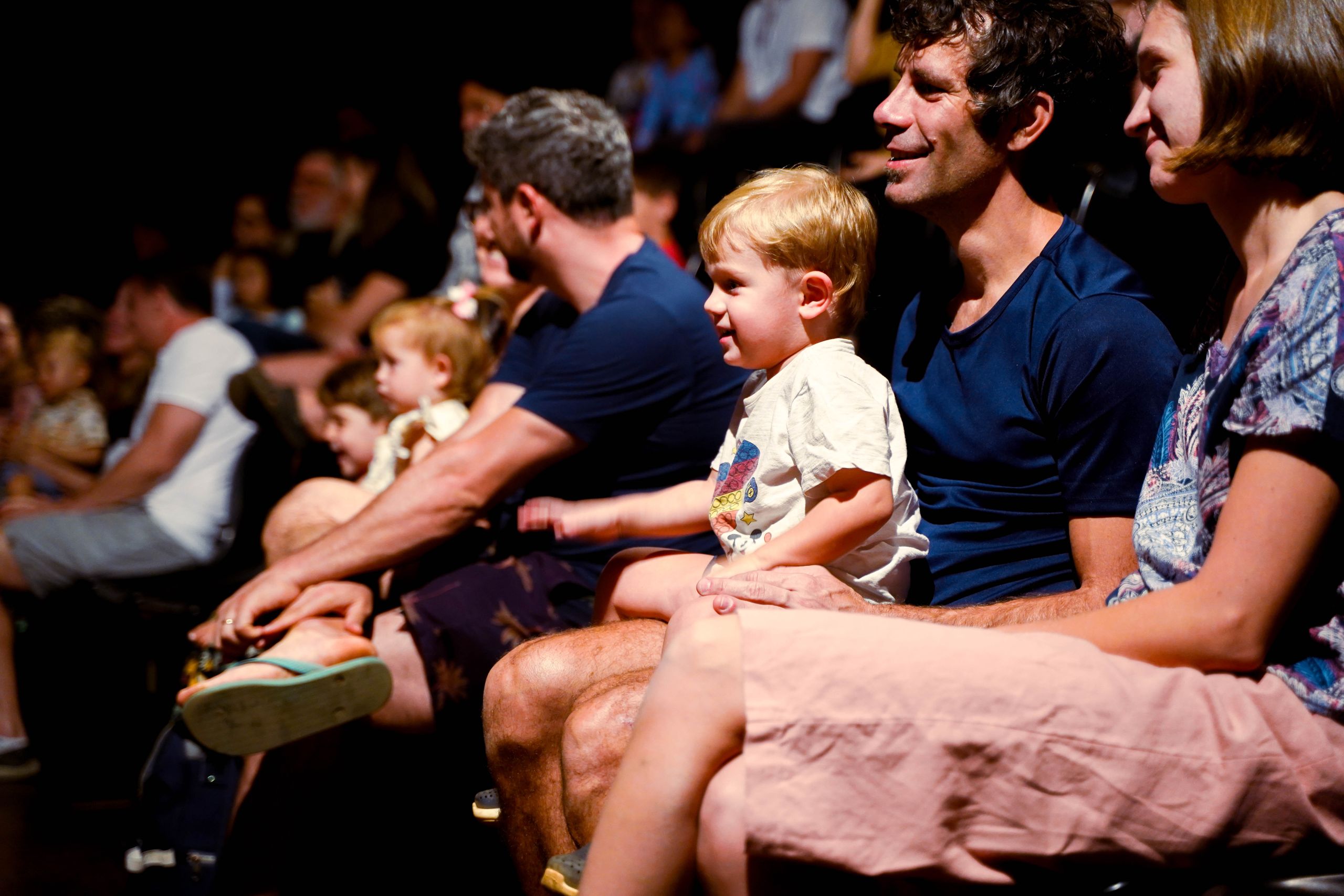
One detail matters strongly: the father did attend the play. He showed up. He sat in the audience. He watched his son perform. He did not refuse to support the child. He refused a seating arrangement.
That distinction changes the moral weight of the story. A parent who skips a child’s performance out of anger creates one kind of harm. A parent who attends but chooses a separate seat creates an entirely different situation.
From the father’s perspective, support meant presence, attention, and consistency. He did not believe that support required pretending that the family dynamic was something it was not. He believed honesty mattered more than choreography.
The deeper question is whether adults should prioritize a child’s immediate comfort or the long-term stability of clear boundaries. In difficult divorces, those goals do not always line up neatly.
Schools can support children without forcing family therapy.
Schools play a difficult role. They want children to feel safe, celebrated, and emotionally supported. They also deal with blended families, custody schedules, conflict between parents, restraining orders, tense divorces, and households with very different rules.
That complexity makes one-size-fits-all seating requests risky. A school can encourage cooperation without implying that every divorced couple should sit together. It can ask parents privately about preferences. It can offer reserved sections without assigning them emotional meaning.
A better approach would focus on the child’s experience while respecting adult boundaries. Schools can say that all caregivers are welcome, that staff will help families find comfortable seating, and that parents may choose arrangements that keep the event peaceful.
That language supports the child without pressuring the parents to perform. It also avoids making teachers the referees of divorced family dynamics inside a crowded auditorium.
Co-parenting does not always look like togetherness.
Many people still imagine ideal co-parenting as birthday parties shared at one table, parents chatting easily at sports games, and everyone smiling together in school photos. That version is beautiful when it is genuine.
But it is not the only healthy version. Some divorced parents co-parent best through distance, written communication, predictable schedules, and minimal emotional contact. Their success does not look warm, but it may be stable.
A child does not always need the appearance of togetherness. A child needs reliability. They need adults who do not use public events to fight, punish, compete, or create embarrassment. If both parents can attend separately and behave respectfully, that can still be a strong form of support.
We should stop treating every visible gap between divorced parents as a failure. Sometimes that gap is the very thing keeping the peace.
The son’s experience should remain the center.
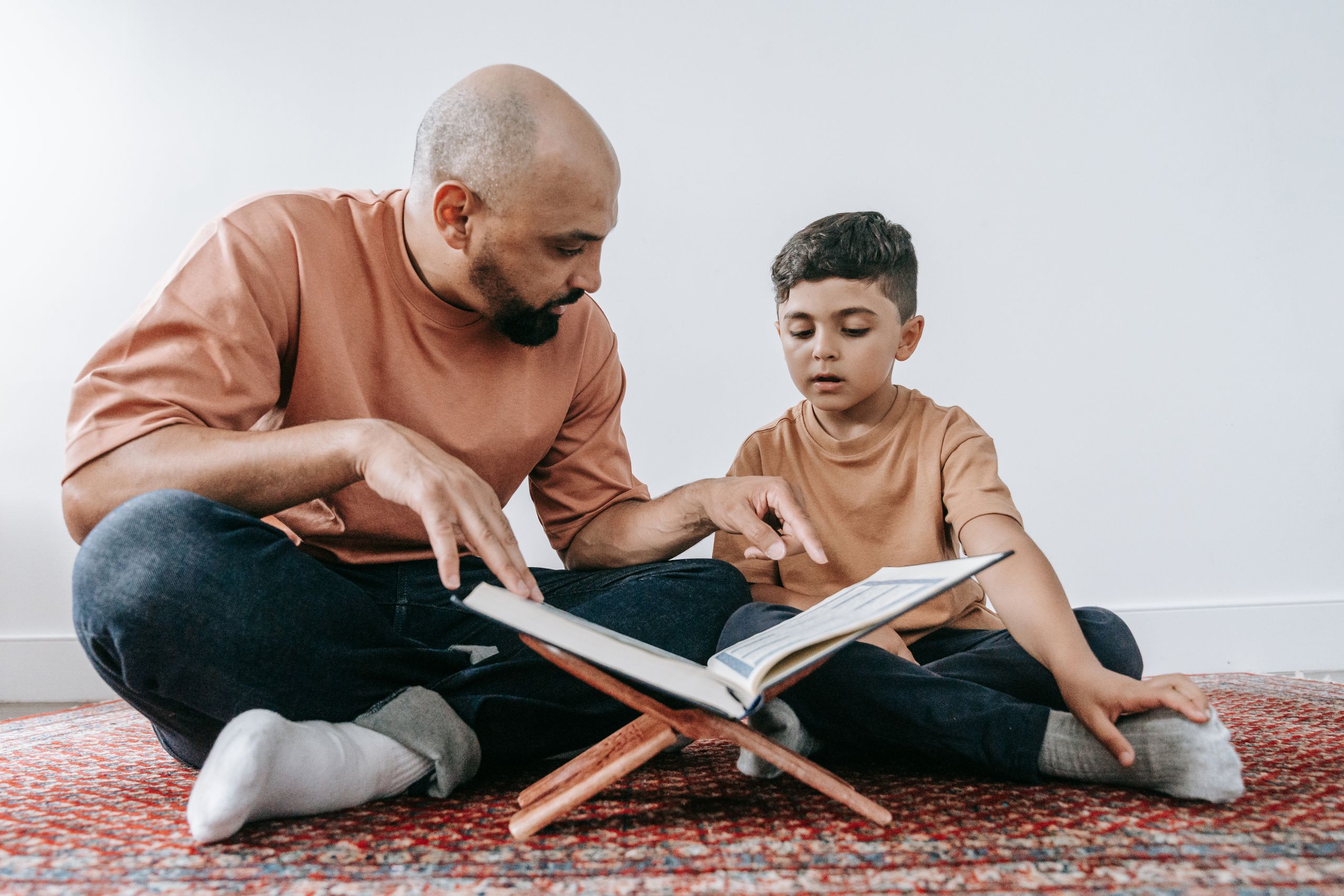
The most important person in this story is not the teacher, the father, or the mother. It is the child on stage, trying to remember his lines, hit his cues, and enjoy the moment.
If he looked into the audience and saw both parents there, that mattered. If he felt tension before the event, that also mattered. If the adults allowed the seating dispute to become school gossip afterward, that may have done more harm than the original seating choice.
Child-centered decisions require more than good slogans. They require adults to ask practical questions. Will this arrangement reduce stress or create it? Will the child feel supported or confused? Are we solving a real problem, or are we trying to make the family look better to others?
A private boundary became a public debate.
The father’s refusal exposed a tension many schools face but rarely name. Teachers and administrators want to build emotionally supportive environments, but they can accidentally cross into family management.
A school can request kindness. It can expect respectful behavior. It can create a welcoming space for both parents. But it should hesitate before deciding that divorced adults must sit together to prove they are putting the child first.
The phrase “for the child’s sake” should invite thoughtful cooperation, not automatic obedience. Real support may look like sitting together. It may also look like sitting apart without drama, clapping at the same time, and letting the child own the night.
In this case, the father did not reject his son. He rejected a version of co-parenting that felt staged. Whether readers agree with him or not, the story raises a fair question: should schools encourage divorced parents to show unity, or should they respect the boundaries that keep some families peaceful?