A steak dinner should not feel like a math problem. Yet one LongHorn Steakhouse customer turned a small plate into a massive online debate after claiming the 6-ounce steak he ordered looked much closer to a few bites than a full restaurant portion.
The complaint spread because it touched a nerve. Americans are paying more to eat out, checking receipts more closely, and noticing every plate that looks lighter than expected. When a steakhouse menu promises a 6-ounce cut, customers expect the meal to look like something worth the price, not something they have to defend with a thumb press and a viral video.
The customer’s video did more than criticize one steak. It pulled LongHorn Steakhouse into a larger conversation about portion sizes, restaurant inflation, shrinkflation, and the quiet frustration diners feel when the bill grows but the plate appears to shrink.
The 6-Ounce Steak That Started the Debate
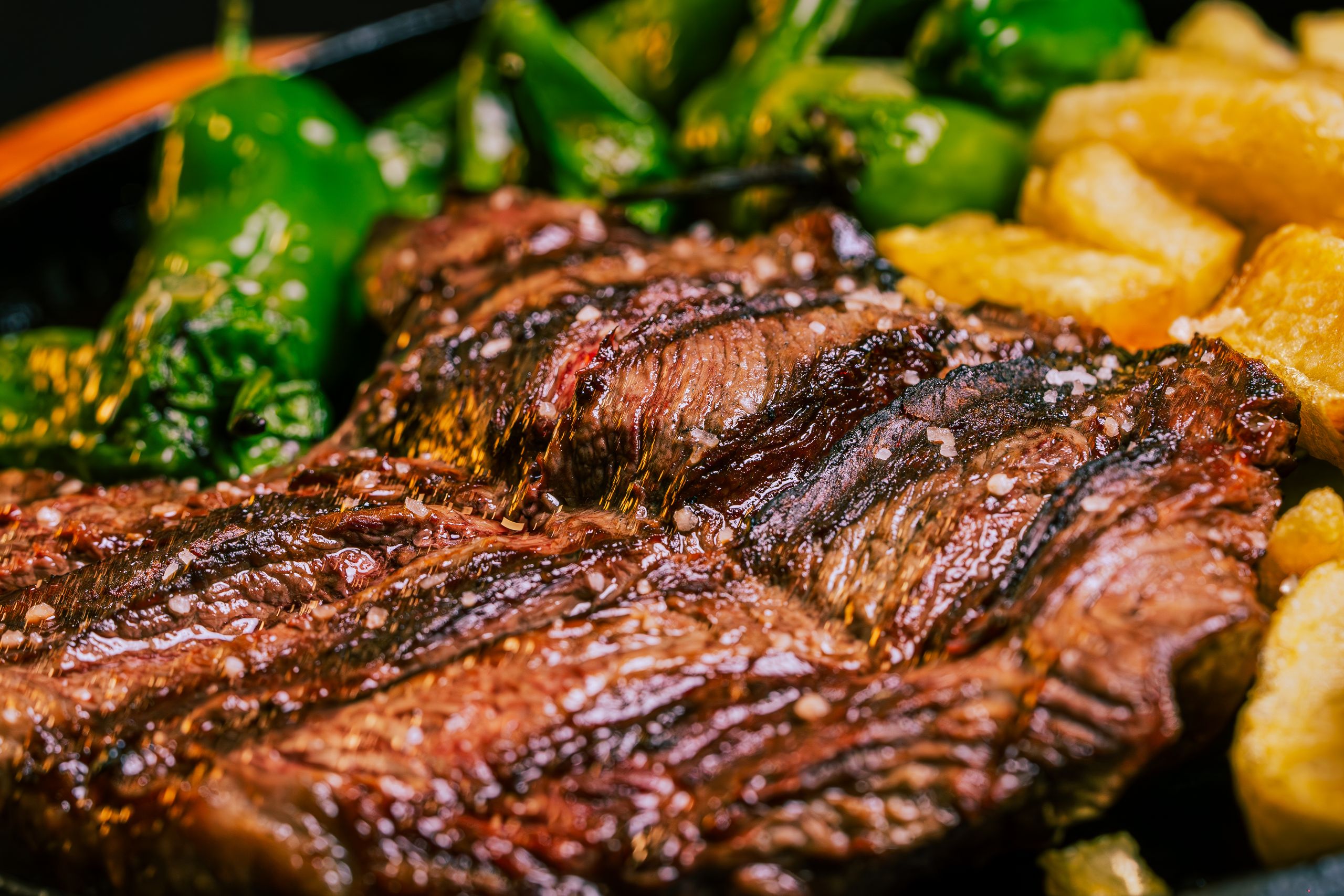
The viral clip shows a LongHorn Steakhouse customer pressing down on a small piece of steak that he claims did not look like the 6-ounce portion he paid for. The video is brief, but the reaction was not. Viewers quickly filled the comment section with jokes, disbelief, and their own stories about restaurant portions that felt smaller than advertised.
The customer framed the steak as a symbol of hard times. His message was simple: prices keep going up, but customers feel like they are getting less food for the money. That is why the clip traveled beyond ordinary restaurant criticism and became a small public trial over value.
We should be careful with what the video can prove. A TikTok clip cannot confirm the steak’s exact weight, whether the menu weight referred to pre-cooked meat, or what happened before the plate reached the table. Still, the image was powerful because perception matters in restaurants. If a guest looks at a steak and instantly feels shortchanged, the dining experience has already taken a hit.
Why a Small Steak Can Make Diners So Angry
People do not only pay for calories when they eat out. They pay for relief, comfort, service, atmosphere, and the feeling that someone else handled dinner for once. When that experience disappoints, the frustration can feel bigger than the missing ounces.
A steakhouse carries even higher expectations. Steak is not a casual side item. It is often the centerpiece of the meal, the reason someone chose the restaurant, and the part of the check that feels hardest to ignore. A small-looking steak does not just look disappointing. It makes the customer question the entire exchange.
That is why this story landed so sharply. The customer was not complaining about a garnish or a sauce cup. He was questioning the main event. For many diners, that is where trust either holds or breaks.
The Real Issue Is Portion Trust
The phrase “6-ounce steak” sounds exact, but most customers do not carry a kitchen scale to dinner. They judge by sight. They compare the plate to what they expected, what they had ordered before, and what the price made them imagine.
Restaurants often list steak weights based on the raw cut before cooking. Cooking can reduce weight because meat loses water and fat. A steak can also look smaller depending on thickness, cut shape, doneness, trimming, and how it is plated. A compact cut can weigh more than it appears, while a thin cut can look larger than it actually is.
That does not erase the customer’s frustration. It explains why the debate gets messy. The restaurant may think it served a normal portion, while the guest may look at the same plate and see a bad deal. The conflict begins in the gap between technical accuracy and customer perception.
LongHorn’s Value Image Makes the Complaint More Sensitive
LongHorn Steakhouse has built its brand around steak confidence. The chain sells itself as a place where customers can get a satisfying steakhouse meal without the formality or price tag of a luxury steakhouse. That value promise is central to its appeal.
That is why a portion-size complaint can sting harder for a brand like LongHorn. Customers are not only judging the steak. They are judging whether the chain still delivers the kind of dependable, filling meal they thought they understood.
When a brand promises hearty steakhouse value, every plate becomes part of that promise. One small-looking steak can travel online faster than a polished marketing campaign because it gives viewers something simple to react to. They can look at the plate and decide within seconds whether they would feel cheated.
Restaurant Inflation Has Changed How Americans Read a Plate
Dining out has become more expensive, and customers feel it before they even open the menu. Appetizers cost more. Drinks cost more. Entrees cost more. Tips are calculated on higher totals. A casual dinner that once felt routine can now feel like a planned expense.
That price pressure changes the way diners inspect food. A steak that might have been brushed off years ago now becomes evidence in a larger case. People are not only asking, “Was this steak small?” They are asking, “Are restaurants quietly training us to accept less?”
This is why the word shrinkflation keeps appearing in food conversations. Shoppers first used it to describe smaller grocery packages sold at the same or higher price. Now the same suspicion has moved into restaurants, where customers wonder whether portions are shrinking while menus keep getting pricier.
Why Beef Prices Make the Story More Complicated
Steak is one of the most expensive proteins for restaurants to serve. Beef costs have stayed under pressure because cattle supplies remain tight, and restaurants have to manage labor, rent, energy, packaging, insurance, delivery fees, and food waste at the same time.
That does not automatically mean the customer received the right portion. It does mean the business math behind a steak dinner has become harder. Chains must decide how much of their rising cost to pass to customers, how much to absorb, and how much to control through menu design.
The customer sees the plate. The company sees the margin. The viral moment happens when those two realities collide.
The Charred Look Added Fuel to the Fire
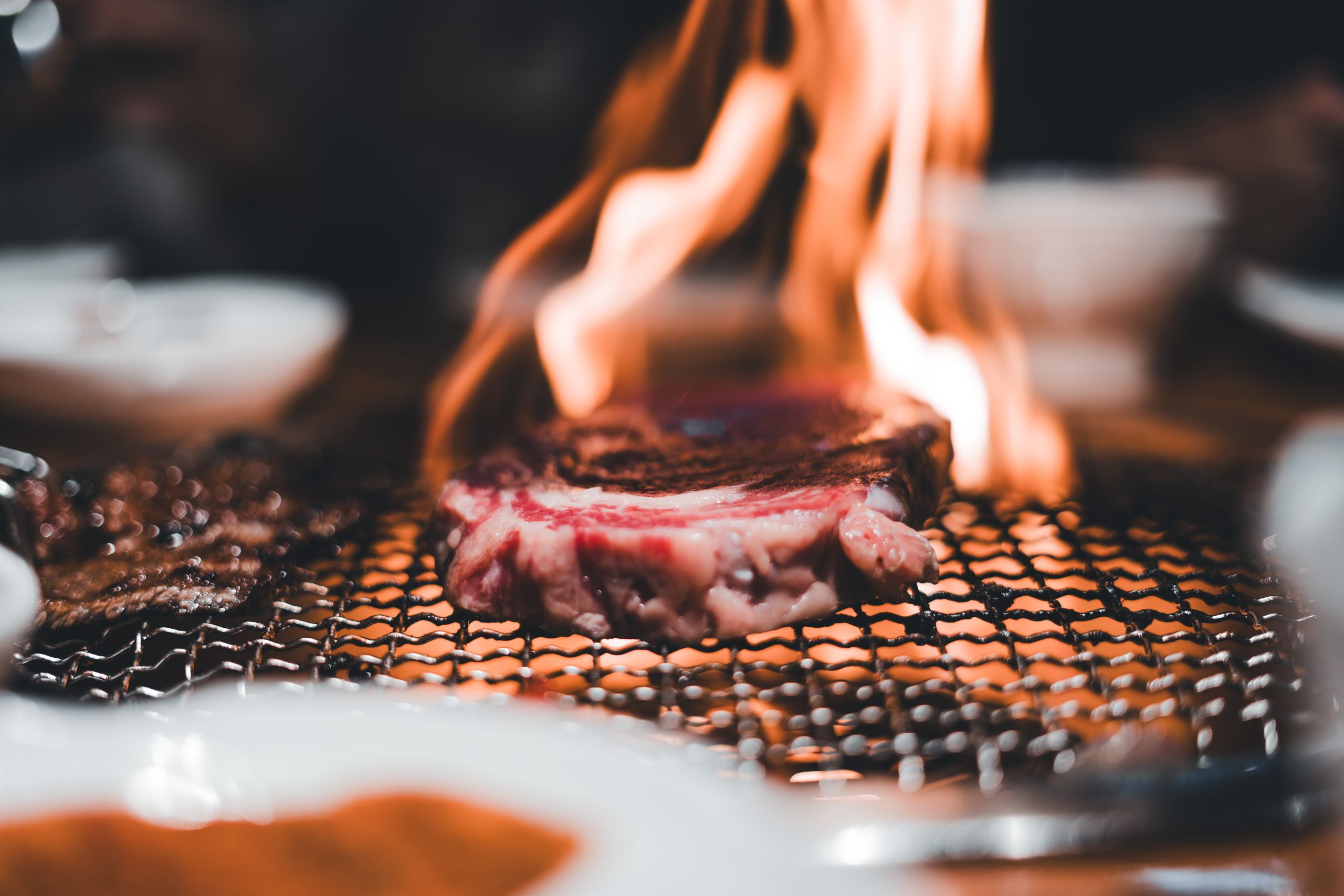
The complaint was not only about size. Viewers also noticed that the steak appeared heavily charred. That detail gave the video more emotional force because a small steak that also looks overcooked feels like a double disappointment.
Steak is personal. Some diners like a deep sear, while others see char as a warning sign. A customer who already feels the portion is too small will likely judge every other detail more harshly, from the crust to the temperature to the way the server responds.
The visual mattered because social media does not wait for nuance. A tiny-looking, darkened steak on a plate becomes instant content. It invites jokes, outrage, and comparison. It turns one dinner into a referendum.
The Comment Section Became a Restaurant Complaint Board
The video’s comment section reportedly filled with reactions from people who saw the steak as part of a trend. Some mocked the portion. Others told customers to stop eating out if they wanted restaurants to lower prices. A few compared the experience to disappointing meals at other casual dining chains.
That reaction shows how much resentment is sitting under the surface. Many Americans still enjoy eating out, but they are more guarded. They want the experience to justify the cost. When it does not, they are ready to post, comment, and warn others.
The internet has become the new complaint counter. In the past, a customer might have spoken to a manager and left unhappy. Now, a plate can be judged by millions before the restaurant has time to respond.
What Customers Should Know About Steak Weight
A 6-ounce steak on a menu often refers to the steak before cooking. Once it hits heat, it can lose moisture and fat. That means the final cooked steak may weigh less than the listed menu size, even when the original portion was accurate.
But customers are not wrong to ask questions. If a steak looks far smaller than expected, the simplest move is to ask the server politely and immediately. A good restaurant should be able to explain the portion, offer a replacement when appropriate, or bring in a manager before the situation becomes a public fight.
The key is timing. Once the food is mostly eaten or the complaint moves straight to social media, the issue becomes harder to resolve. Customers who feel shortchanged should raise the concern while the plate is still on the table.
What Restaurants Should Learn From the Backlash
Restaurants cannot control every viral post, but they can control how clear and consistent the dining experience feels. If a steak is listed as 6 ounces, the plate should visually support that promise as much as possible. Presentation matters because customers judge value with their eyes first.
Servers also need language that does not sound dismissive. Telling a customer that something is “normal” may be technically true, but it can feel like a brush-off if the guest already feels cheated. A better response explains the cut, the cooking process, and the restaurant’s standard while still treating the complaint seriously.
The worst outcome is not one remade steak. The worst outcome is a customer leaving convinced that the brand tried to talk them into accepting less.
Why This Story Hit a National Nerve
This LongHorn complaint went viral because it looked like something many people already suspected. Diners are tired of paying more and wondering whether the plate is quietly getting smaller. They are tired of menus that feel expensive, receipts that feel heavier, and meals that do not always match expectations.
The steak became a symbol. It represented the awkward moment when a customer looks down and thinks, “This cannot be what I paid for.” That feeling is powerful because it is simple, relatable, and easy to share.
Whether the steak was truly underweight remains unconfirmed. What is clear is that restaurants are operating in a trust economy now. Every plate has to prove its value in real time.
The Bigger Question for Casual Dining Chains
LongHorn is not the only restaurant facing this kind of scrutiny. Casual dining chains across the country are trying to hold onto customers who want comfort, quality, and value without feeling punished by the final bill. That is a difficult balance in a high-cost food environment.
Customers may accept higher prices when the experience feels generous. They may accept smaller portions when the menu is honest, and the price matches the plate. What they are less willing to accept is the feeling that something has quietly changed without being clearly explained.
That is why this story matters beyond one customer and one steak. It shows how fragile restaurant trust has become. A single plate can now become a national conversation because diners are no longer just eating dinner. They are measuring value, watching portions, comparing notes, and deciding which brands still deserve their money.