WASHINGTON — A national birthday party meant to show off every corner of America is now exposing the country’s political cracks before the gates even open.
President Donald Trump’s Great American State Fair is planned as a 16-day celebration on the National Mall for America’s 250th anniversary. The event is being promoted as a giant patriotic showcase with state exhibits, music, food, flyovers, family attractions, and a Ferris wheel.
But several states are choosing not to send official delegations. Some cite cost. Others point to growing political concerns. The result is an awkward problem for an event built around the idea of all 50 states gathering in one place.
States Are Saying No
The fair is scheduled to open June 25 and run through July 10. Organizers say it will stretch across the National Mall from the U.S. Capitol toward the Washington Monument.
The goal is simple on paper. Each state and territory gets a space to show its culture, tourism, food, history, and identity. But the rollout has not been simple.
Oregon has confirmed it will not participate. Gov. Tina Kotek’s office said the decision came down to cost and concern that the event was becoming more partisan than initially presented, according to Oregon pulled-out reporting from KATU.
Washington state has also opted out, according to the same local report. North Carolina, Connecticut, Illinois, Maine, and Massachusetts have also been named in national reporting as states not sending official delegations.
Cost Is a Big Reason
For some states, the problem is not just politics. It is money.
A state booth at a national event requires travel, staffing, shipping, lodging, exhibit design, and daily operations. For a 16-day event in Washington, those costs can rise quickly.
North Carolina officials said their limited resources are focused on America 250 events inside the state. That means the state is choosing local programming over a costly Washington presence.
That decision may sound practical to many taxpayers. A state can celebrate the nation’s 250th birthday at home without sending staff and materials hundreds of miles away.
The Fair Is Still Moving Forward
Freedom 250, the group organizing the event, says all states and territories will still be represented in some form.
That is an important distinction. A governor’s office may decline to send an official delegation, but an exhibit connected to that state could still appear through a museum, tourism board, private business, or local organization.
The official page describes the fair as a World’s Fair-style national exposition showcasing all U.S. states and territories through displays, performances, and attractions. The official event page says the celebration will feature all 56 states and territories.
So the fair may still look complete to visitors walking through the National Mall. Behind the scenes, however, the absence of some official state teams tells a different story.
Pennsylvania Is Still Being Watched
Pennsylvania has become one of the states to watch because of its deep historical connection to America’s founding.
Philadelphia is central to the story of the Declaration of Independence, and Pennsylvania has a major role in semiquincentennial planning. That makes its participation politically and symbolically important.
Axios Philadelphia reported earlier this month that Pennsylvania had not yet decided whether to take part in the Trump-backed fair. The state tourism office had received an invitation but had not confirmed its involvement, according to the reporting. Pennsylvania remains undecided.
Spotlight PA also reported that the fair is part of a wider dispute between America 250, the bipartisan commission created by Congress, and Freedom 250, the Trump-aligned group planning the National Mall event. The state fair dispute has added confusion over funding, branding, and control of the national birthday message.
The Politics Are Hard to Ignore
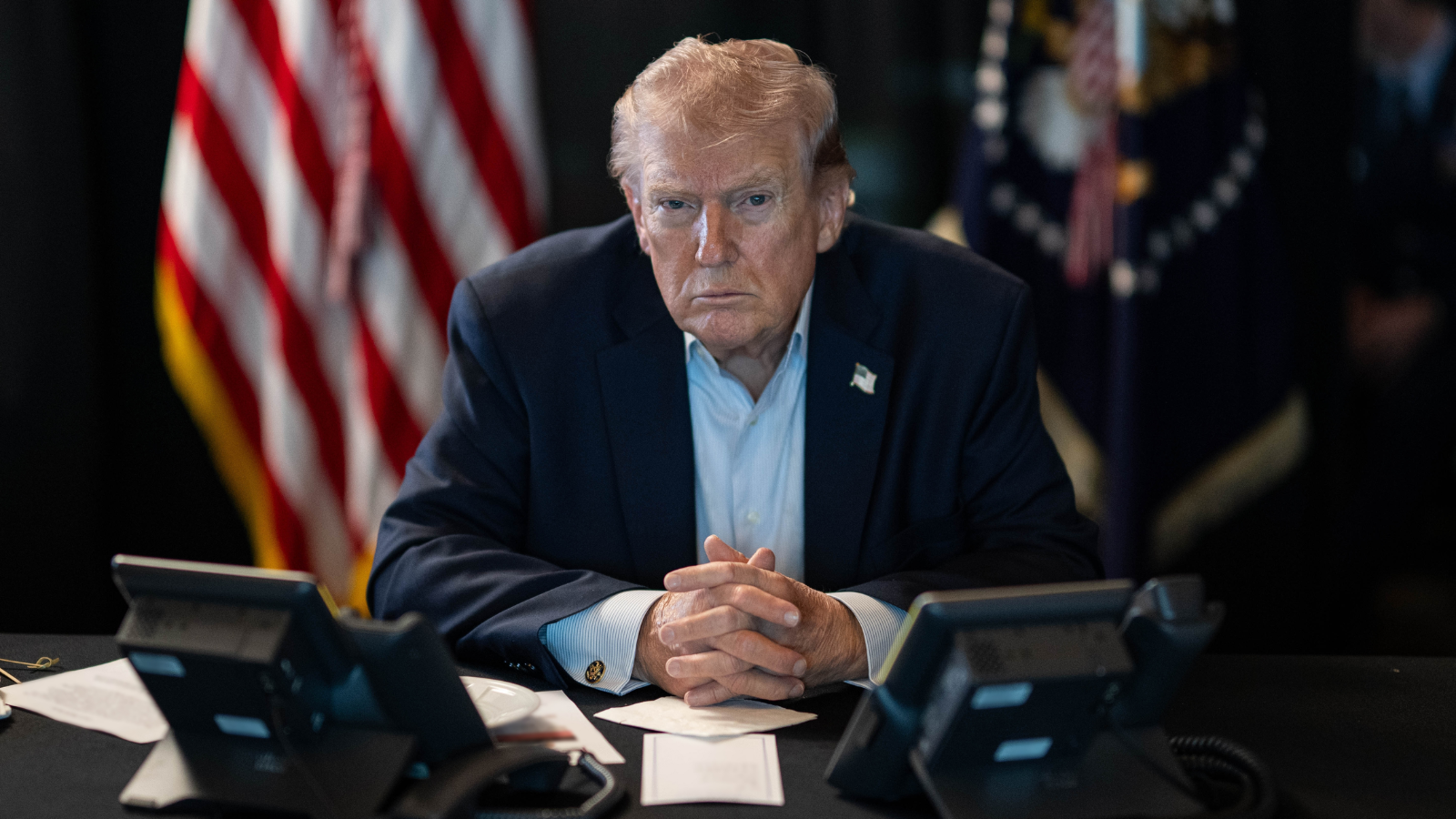
The Great American State Fair was marketed as a national celebration. But Trump’s central role has changed how some officials view it.
The event is tied to Freedom 250, a Trump-era initiative separate from the congressionally created America250 commission. That split has created tension over who gets to shape the country’s 250th birthday.
For supporters, Trump’s involvement gives the celebration energy, visibility, and scale. They see the fair as a big, unapologetic display of American pride.
For critics, the event feels too closely tied to one president and one political brand. That makes participation harder for states led by Democrats or officials who want the anniversary to feel less partisan.
Local Celebrations May Matter More
Some states are not rejecting America’s birthday. They are rejecting the idea that the main celebration must happen in Washington under Trump’s banner.
Oregon officials said the state still plans to celebrate the semiquincentennial at home. North Carolina officials also pointed to events inside the state, including programming at the State Capitol in Raleigh.
That approach may be easier for local residents to access. It also lets states control their own story.
Instead of building a single booth on the National Mall, a state can host museum exhibits, school programs, parades, concerts, and civic events in its own communities. That may feel less dramatic than a national fair, but it may reach more people where they live.
DC Residents Have Their Own Concerns
Washington residents are also watching the celebration with mixed feelings.
Large national events bring crowds, security zones, street closures, and noise. They can help hotels and restaurants, but they can also make daily life harder for people who live and work near the National Mall.
Axios DC reported that many local residents are not excited about the America 250 events. Concerns include road closures, crowds, security disruptions, and the impact on local businesses, according to coverage of DC residents’ worries.
That adds another layer to the story. The fair is not only a national political event. It is also a local disruption for the city hosting it.
Artist Pullouts Added to the Scrutiny
The state withdrawals come after several performers backed away from related America 250 events.
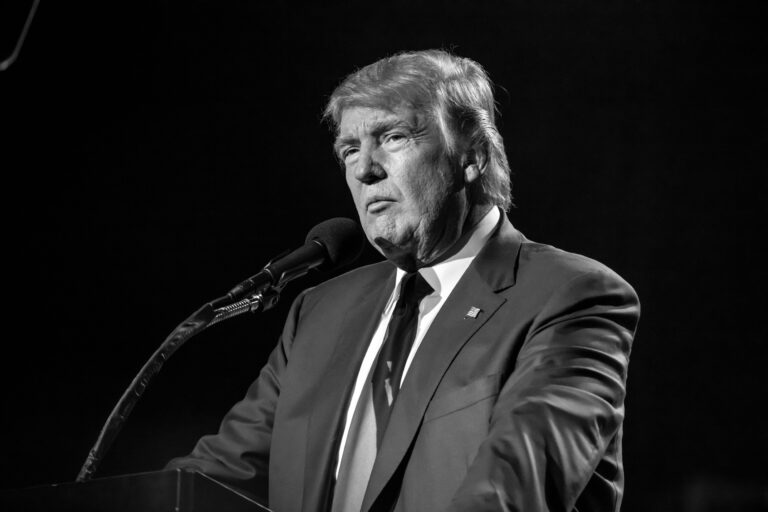
Reuters reported that Trump was set to headline the opening ceremony after multiple music acts dropped out over concerns about the event’s political tone. The shift put Trump even more firmly at the center of the celebration.
That matters because the fair needs to look broad and welcoming. When artists pull out, and states pull back, the story begins to change.
Instead of a clean celebration of America’s birthday, the fair starts to look like another fight over what patriotism means in 2026.
The Event Still Has Big Ambitions
Despite the criticism, the fair is still expected to be a major production.
Organizers have promised state pavilions, industry displays, cultural programming, military music, food, and family attractions. There are also plans for large visual elements designed to make the National Mall feel like a full national exposition.
Some participating states are leaning into the opportunity. State exhibits can promote tourism, agriculture, business, history, and regional pride.
For visitors, the fair may still deliver a memorable experience. Many people may come for the spectacle, not the politics.
The Bigger Problem Is Trust
The real issue is trust.
States want to know whether the event is truly national or mainly political. Artists want to know whether they are joining a patriotic celebration or lending their names to a partisan show. Residents want to know whether the event will help the city or overwhelm it.
That is why the withdrawals matter. They show that the event is not being received the same way across the country.
America’s 250th birthday should be one of the easiest events to unite around. Yet even this celebration has become tangled in cost concerns, partisan suspicion, and competing visions of national pride.
A Birthday Party With Missing Guests
The Great American State Fair may still open with flags, music, food, and crowds. It may still attract visitors from across the country. It may still present every state in some form.
But the missing official delegations will remain part of the story.
A fair built to showcase national unity is now revealing national division. That does not mean the event will fail. It does mean the symbolism has changed.
America is turning 250, and the party in Washington is already showing the country exactly as it is: proud, divided, loud, expensive, and still arguing over who gets to define the red, white, and blue.