Ribeye steak used to feel like a weekend reward. Now, for many American families, it feels like one more reminder that even a simple cookout can punish the household budget.
We are seeing shoppers stand longer at the meat case, not because they are picky, but because every package now feels like a financial decision. Ribeye has become the steak people still want, but many can no longer buy carelessly.
Ribeye Prices Are Making Ordinary Dinners Feel Expensive
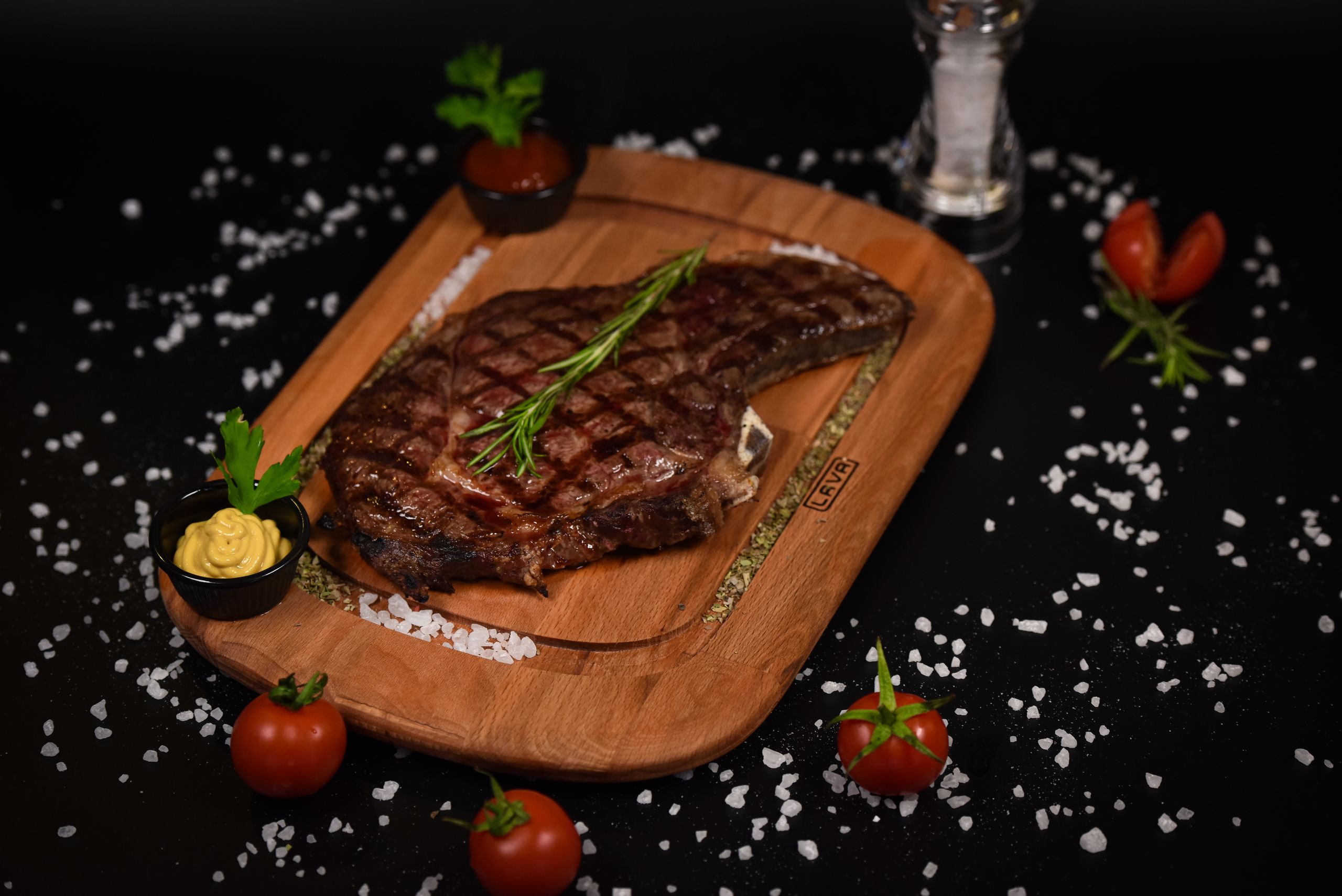
The biggest problem is simple. Ribeye is no longer a casual grocery purchase for many families.
A few steaks can quickly push a shopping cart from normal to painful. What used to be a backyard dinner now feels like something people have to plan around payday.
This is why shoppers are checking every label, every package size, and every sale sticker. The price of ribeye has turned a familiar American meal into a small luxury.
The Same Steak Can Cost Wildly Different Prices Depending on the Store
One of the most frustrating parts of buying ribeye right now is how much prices change from store to store. A shopper may find one price at a warehouse club, a higher price at a supermarket, and an even steeper price at another chain in the same week.
That creates a feeling many Americans know too well. They are not just grocery shopping anymore. They are hunting for the least painful option.
The danger is that busy families do not always have time to compare five stores. That means some shoppers end up paying far more simply because they bought ribeye at the wrong place.
Cheap Ribeye Can Still Be a Bad Deal
A lower price per pound can look like a win, but it can also hide poor quality. Some ribeye packages have poor marbling, uneven cuts, thin steaks, or too much useless fat.
That means shoppers may think they are saving money, only to bring home a steak that cooks poorly and tastes disappointing. At ribeye prices, that kind of mistake hurts.
The cheapest package is not always the smartest package. If the meat does not look rich, even, and well marbled, the discount may not be worth it.
Some Packages Look Like Ribeye but Do Not Eat Like Ribeye
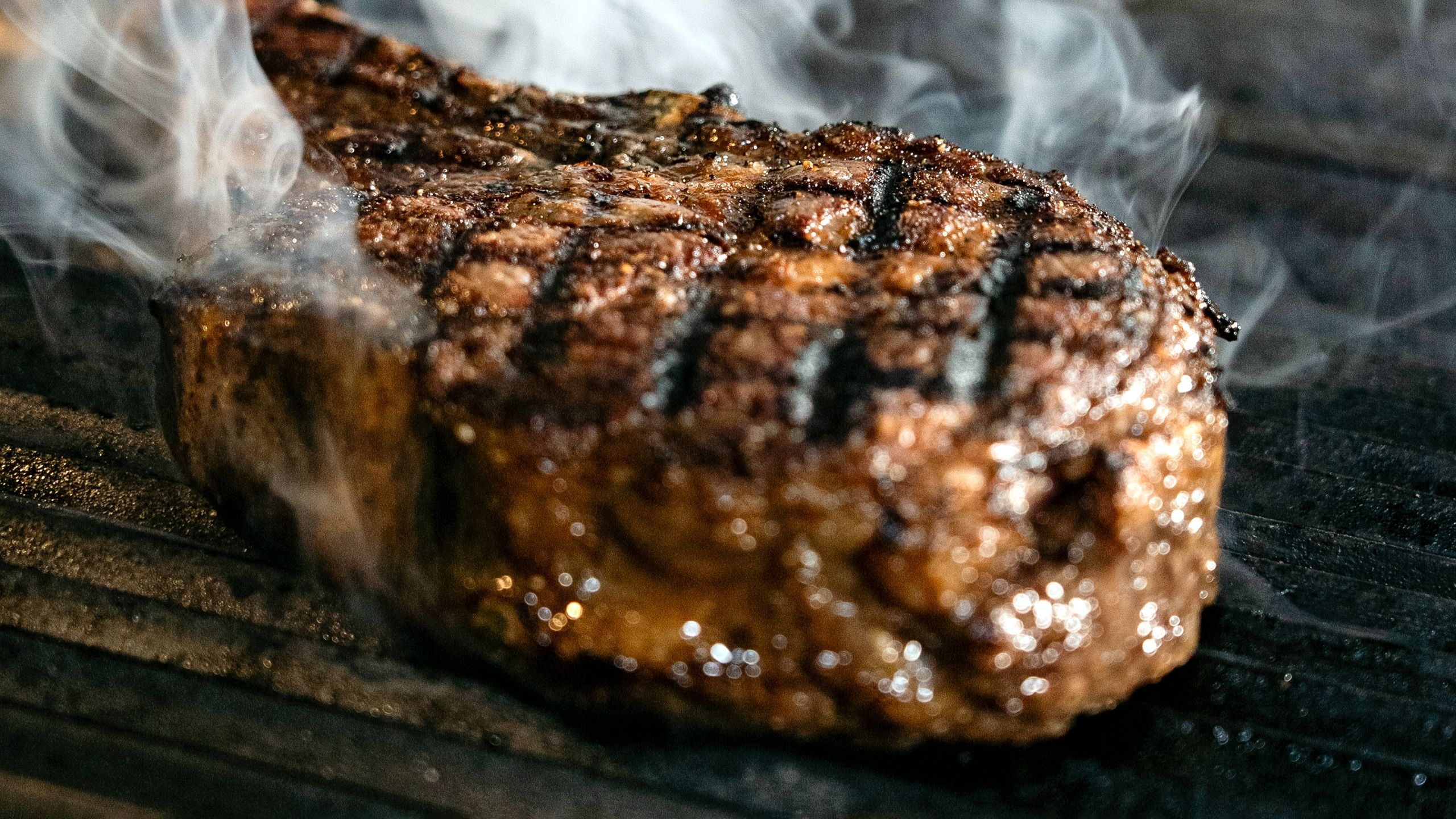
Ribeye is supposed to be tender, juicy, and full of rich beef flavor. But not every package in the meat case delivers that experience.
Some steaks look too lean, too flat, or too uneven to justify premium pricing. They may carry the ribeye name, but they do not always offer the buttery texture shoppers expect.
This is where families can feel cheated. They pay for a premium cut, cook it with care, and still end up with a steak that feels ordinary.
Marbling has become the detail that shoppers cannot ignore.
Marbling is the thin white fat inside the meat. It is one of the biggest reasons ribeye tastes rich.
When marbling is weak, the steak can turn dry, firm, or dull. That is a serious problem when the price is already high.
American shoppers now have to inspect ribeye like professionals. If the fat is only around the edge and not spread through the meat, the steak may not be worth the money.
Also, Pressure Families to Spend More
Value packs often have better prices per pound. That sounds good, especially when ribeye prices are high.
But there is another side to it. Families may have to spend more up front just to get the cheaper rate.
For shoppers already watching every dollar, that creates a tough choice. Buy the smaller pack and pay more per pound, or buy the larger pack and stretch the budget today.
Thin Ribeye Steaks Can Ruin the Meal Fast

Thin ribeye steaks are risky because they overcook quickly. A steak that is too thin can go from juicy to dry before the cook even realizes it.
That is a costly mistake. Nobody wants to spend premium money on ribeye and end up chewing through a disappointing dinner.
Thicker steaks usually give better control, better searing, and a better final result. But thicker steaks can also mean a higher total package price.
Bone In and Tomahawk Ribeye Can Make Shoppers Pay for Drama Instead of Dinner
Bone in ribeyes, cowboy steaks, and tomahawk ribeyes can look impressive. They are dramatic, photogenic, and perfect for a special grill night.
But shoppers need to remember one uncomfortable truth. The bone adds weight, and shoppers pay for that weight.
That does not mean bone in ribeye is always a bad choice. It means families should know when they are paying for meat and when they are paying for presentation.
Ribeye Is Becoming a Steak People Have to Justify
The most negative reality is that ribeye has moved from comfort food to a calculated purchase. Many families now have to ask whether the steak is worth it before putting it in the cart.
That changes the feeling of the meal. It turns a simple pleasure into a budget debate.
When groceries, rent, gas, insurance, and utilities are already squeezing households, even a steak dinner can feel loaded with pressure. Ribeye is still delicious, but it no longer feels simple.
Buying ribeye steaks right now can feel like walking through a grocery store trap. The cut is still popular, still flavorful, and still capable of making a great meal, but the price leaves less room for mistakes.
We have to compare stores, check marbling, avoid weak packages, watch for value packs, and think carefully before paying extra for bone or presentation. A careless ribeye purchase can turn into an expensive disappointment fast.
For American families, the real issue is not just steak. It is the feeling that even small pleasures now require strategy, math, and second guessing at the checkout line.