Tesla’s Fremont factory has once again drawn intense regulatory scrutiny as the Bay Area Air Quality Management District issued 17 new violation notices in a single day. This surge highlights ongoing questions about compliance at one of the nation’s most high-profile electric vehicle production hubs.
The latest notices bring the total alleged violations at Fremont to 45 for 2026, signaling persistent challenges in meeting environmental standards. The pattern raises broader questions about whether the operations behind the green technology revolution align with the environmental ideals Tesla promotes.
When Green Innovation Meets Manufacturing Realities
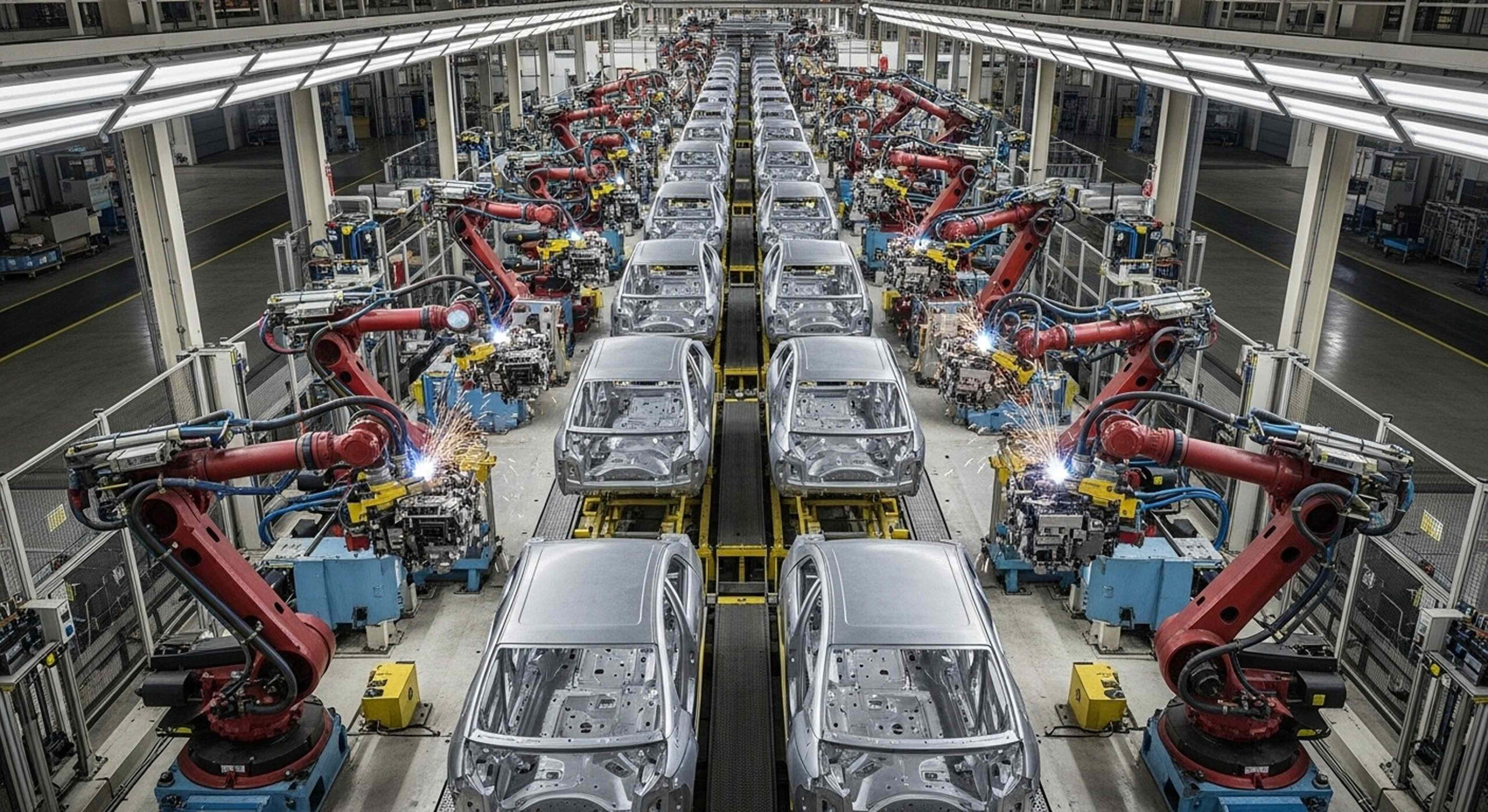
Tesla’s vehicles are celebrated for reducing tailpipe emissions and advancing sustainable transportation. However, the Fremont violations reveal a tension between the promise of electric cars and the realities of their production. Manufacturing processes still generate significant pollutants, including particulate matter and hazardous waste, which can affect local air quality. While the end product may be cleaner for the environment, the factory itself becomes a source of concern for residents and regulators alike.
This paradox is not unique to Tesla. Historical studies of industrial growth show that innovative technologies often face initial regulatory friction, particularly when scaling operations rapidly. Fremont’s case illustrates how environmental progress can be undermined if manufacturing oversight lags. Local communities may benefit indirectly from cleaner transportation, but they directly confront emissions, unpermitted modifications, and operational lapses on the factory floor.
The recent violations suggest a systemic issue rather than isolated incidents. Analysts note that companies scaling cutting-edge technologies sometimes prioritize production speed over regulatory compliance, creating long-term reputational and legal risks. Tesla’s Fremont operations embody this dynamic, reflecting the complexities of marrying high-tech manufacturing with environmental stewardship.
A History of Notices and Settlements
Tesla’s relationship with the Bay Area Air District has been marked by repeated enforcement actions over the past five years. The facility has received 369 violation notices since 2016, most of which remain unresolved, underscoring persistent regulatory concern. While financial penalties have historically been limited, the pattern of notices indicates sustained monitoring of Fremont’s operations.
Civil settlements have been the preferred mechanism for resolving alleged violations. In 2021, Tesla agreed to a $1 million settlement to address 33 notices. These violations ranged from unpermitted equipment modifications to delayed emissions reporting. The settlement required Tesla to install a solar microgrid and storage system, signaling efforts to mitigate both energy costs and pollution.
Federal agencies have also weighed in. The EPA settled with Tesla in 2022 over Clean Air Act violations dating back to 2016. The company paid $275,000 and agreed to enhance compliance systems. Earlier, in 2019, federal authorities required Tesla to purchase emergency response equipment for Fremont firefighters, emphasizing the operational risks posed by the facility. These historical examples illustrate a pattern where settlements address past lapses without fundamentally altering operational practices.
The Community Impacts of Production
The Fremont factory’s violations have tangible implications for surrounding neighborhoods. Chronic emissions, improper handling of hazardous waste, and unpermitted modifications directly affect local air quality. Residents face potential exposure to airborne pollutants, which studies link to respiratory issues and other health risks. While the broader promise of EV adoption may benefit the environment, the local community bears the immediate costs.
Community advocacy groups have highlighted these concerns for years. Reports indicate that even small lapses in emissions monitoring can have measurable effects on air quality in urban areas. Local schools, hospitals, and residential zones near industrial hubs often experience disproportionate impacts. In this context, Fremont serves as a case study for the trade-offs between industrial innovation and public health.
Beyond air quality, the facility’s operations also pose challenges in waste management. Civil settlements have required Tesla to conduct annual waste audits at a portion of its service centers, revealing the company’s previous difficulties with hazardous materials. These ongoing obligations reflect the enduring consequences of noncompliance and underscore the community’s stake in regulatory enforcement.
Industry Comparisons and Regulatory Trends
Tesla’s violations are notable, but they must be understood in a broader industrial context. From 2015 to 2025, Tesla paid roughly $502,500 in penalties, ranking eighth among Bay Area polluters. In contrast, large refineries such as Valero, Chevron, and Tesoro incurred penalties in the millions. While Tesla’s fines appear modest, the frequency and visibility of the notices make the situation especially newsworthy.
Regulatory trends suggest increasing scrutiny for high-tech manufacturers. Agencies are emphasizing not only emissions reductions but also accuracy in reporting and proactive operational compliance. Tesla’s Fremont factory reflects this shift, where even advanced environmental technologies must operate within rigorous oversight frameworks. Analysts argue that recurring violations highlight the need for corporate systems capable of keeping pace with both production growth and regulatory expectations.
The comparison also reveals dynamics in public perception. Legacy polluters often face higher fines but less media scrutiny, whereas high-profile companies like Tesla receive heightened attention for similar issues. This differential underscores the importance of transparency and consistent enforcement across sectors, particularly as society balances environmental ambitions with industrial realities.
Scaling Rapidly and the Compliance Challenge
Tesla’s Fremont hub illustrates the tension between rapid production and regulatory compliance. The facility is a center for electric vehicles and humanoid robotics, operating at a scale unmatched by many regional manufacturers. Rapid expansion can strain internal compliance mechanisms, leading to oversights in emissions tracking, equipment modifications, and waste disposal.
Historical examples across industries show that scaling high-tech operations often precedes effective environmental management. The challenge lies in aligning operational speed with comprehensive monitoring systems. Fremont’s recurring violations highlight the broader question: can green manufacturing grow quickly without sacrificing environmental responsibility?
The implications extend to investors and stakeholders. Repeated scrutiny can affect brand perception, operational planning, and even stock performance. Companies at the forefront of sustainable technology must demonstrate that their internal practices align with their public environmental commitments, or risk credibility erosion.
Reflection on Tesla’s Environmental Journey
Tesla’s Fremont violations provide a lens into the broader struggle of integrating innovation with compliance. Electric vehicles offer a transformative solution for carbon emissions, yet the journey from concept to production reveals environmental tensions. Historical and ongoing settlements indicate that, while the company is willing to address issues after regulatory intervention, proactive compliance remains a challenge.
This story invites reflection on the meaning of “green” manufacturing in practice. It raises critical questions about how society evaluates progress: do the benefits of electric cars outweigh the local environmental impacts of their production? As Tesla navigates its growth trajectory, Fremont serves as a reminder that technology’s promise must be matched by operational accountability.
Final Thought: The path to sustainable innovation is rarely straightforward. Fremont’s environmental saga shows that even the most celebrated green technologies can carry hidden costs, emphasizing the need for vigilance, transparency, and a balance between ambition and responsibility.