The United States is facing a growing crisis in soccer that signals a deeper, cultural loss for the sport long before any final whistle is blown. Critics from coast to coast and fans around the world now question whether America’s approach to the World Cup and international soccer is fundamentally broken.
This struggle is not about goal differentials or final scores. It is about how the game is managed, how supporters are treated, and whether the U.S. can bridge the gap between global soccer culture and domestic priorities that too often place profits and power above passion and fans.
Despite hosting major tournaments and pouring unprecedented investment into the sport, America’s soccer community is quietly conceding that the nation’s relationship with the world’s game is strained, distant, and perhaps losing its footing at the highest levels.
A Growing Divide Between Fans and the Game
Soccer is known worldwide not just as a sport but as a culture rooted in passionate supporters, chants, traditions, and a sense of communal identity. In most countries, going to a match is a rite of passage, an emotional release, and a unifying civic experience.
In the United States, however, the sport has not fully translated into that cultural fabric. Instead of a widespread, organically driven fan culture, American soccer often feels segmented, corporate, and transactional. Fans who grew up with the sport feel disconnected from how it is presented domestically.
High ticket prices, exclusive fan experiences, and limited access to authentic supporter atmospheres have pushed many traditional soccer fans to the sidelines. Rather than welcoming everyone, the current model places barriers around attendance and authentic engagement, leaving core supporters frustrated.

This disconnect becomes painfully clear when comparing the fan experience in the U.S. to stadium atmospheres across Europe, South America, and Africa. At major international matches, supporters in other nations create a spectacle that feels electric, spontaneous, and deeply rooted in community identity. In many American venues, the energy feels prescribed, controlled, and at times distant from the raw passion that defines soccer elsewhere.
Commercial Interests Overshadow the Sport
One of the biggest criticisms of how soccer is handled in the United States is its heavy dependence on commercial priorities. Sponsors, advertising revenues, and corporate partnerships have become central to the sport’s domestic narrative. While financial backing is important, critics argue that fans and culture have been placed far behind bottom‑line interests.
Rather than building from grassroots foundations where community clubs, youth leagues, and local rivalries fuel long‑lasting passion, the focus appears skewed toward big commercial contracts, media deals, and high‑profile entertainment marketing. The result is a sport that feels polished but lacks the authenticity and depth that tie fans to their teams and to the international soccer community at large.
The consequence? A disconnect between massive investment and genuine fan loyalty. Money cannot buy cultural resonance, and the evidence shows that fan engagement is strongest where communities feel connected to their teams on the streets, in local venues, and through shared identity rather than corporate branding.
International Fans Watch Closely
Around the world, soccer fans follow trends, behaviors, and cultural developments in every country. When the U.S. hosts major tournaments or invests heavily in the sport, global observers do not just watch for goals; they watch how supporters are treated, how the game is presented, and how cultural traditions are honored.
Instead of projecting unity and shared passion, some international fans feel America’s soccer narrative highlights exclusivity, regulation, and commercial spectacle over authentic fan experience. That impression can alter how the world perceives the United States’ commitment to the heart of the sport.
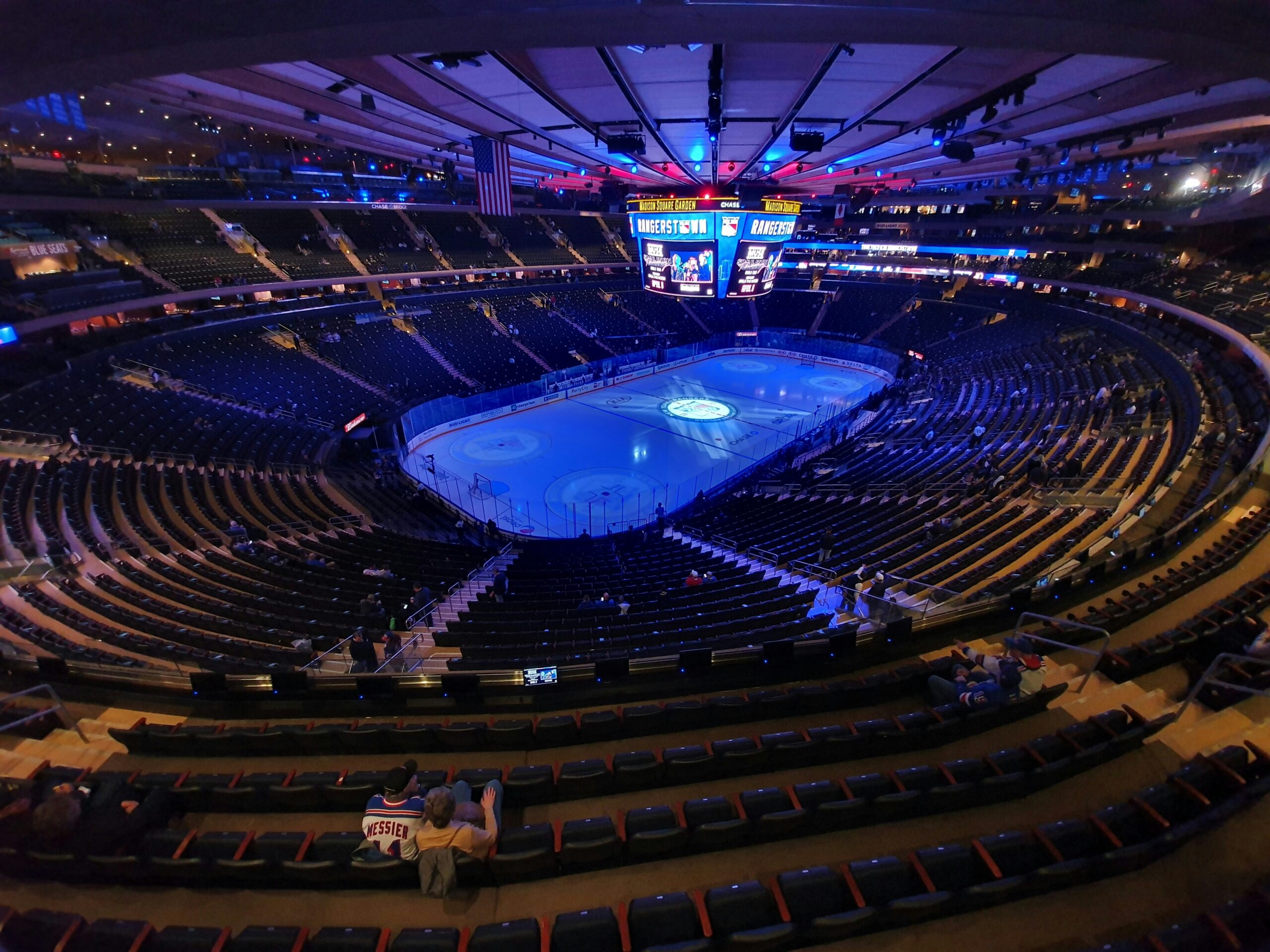
In many leading soccer nations, fan culture is a point of pride. Unknown traveling supporters are welcomed into away sections, fan chants evolve organically, and traditions are passed down through generations. This organic passion is not manufactured through marketing; it grows from lived experience, community stories, and authentic emotional connection.
When the U.S. diverges from these traditions and insists on sanitized, commercial alternatives, it risks being seen as an outsider to the game’s core cultural essence, even while it holds financial influence.
Leadership Choices Have Consequences
Leadership decisions at the national level also reflect the broader struggle America faces in embracing soccer culture. Instead of prioritizing fan engagement and cultural integration, decisions are often driven by media, sponsorship, and strategic branding.
Critics argue that leadership has missed opportunities to build bridges with core soccer communities, both domestically and internationally. Instead of championing fan‑driven initiatives and grassroots growth, the narrative has sometimes leaned toward spectacle and profit. This approach may yield short‑term visibility, but it undermines long‑term sustainability and cultural integration.
A sport rooted in culture requires leaders who listen to supporters, respect traditions, and understand the international context. When decisions are made mainly around corporate interests, the voice of the fan risks being lost in the process.
Not Just About Winning on the Field
Many argue that national pride and success in soccer should not be measured solely by matches won. The World Cup, in particular, is a celebration of global unity, cultural exchange, and genuine fan connection. When the sport grows too distant from its emotional roots, winning on the field becomes secondary to losing touch with what makes the game meaningful.
For the United States, this means acknowledging that soccer success must be earned both culturally and competitively. Investing in youth programs, accessible fan experiences, supporter culture, and community involvement can bridge the gap between commercial ambitions and authentic fan loyalty.
Until then, the fear remains that the U.S. is losing the cultural battle for soccer identity, a loss that no trophy or high‑profile media deal can compensate for.
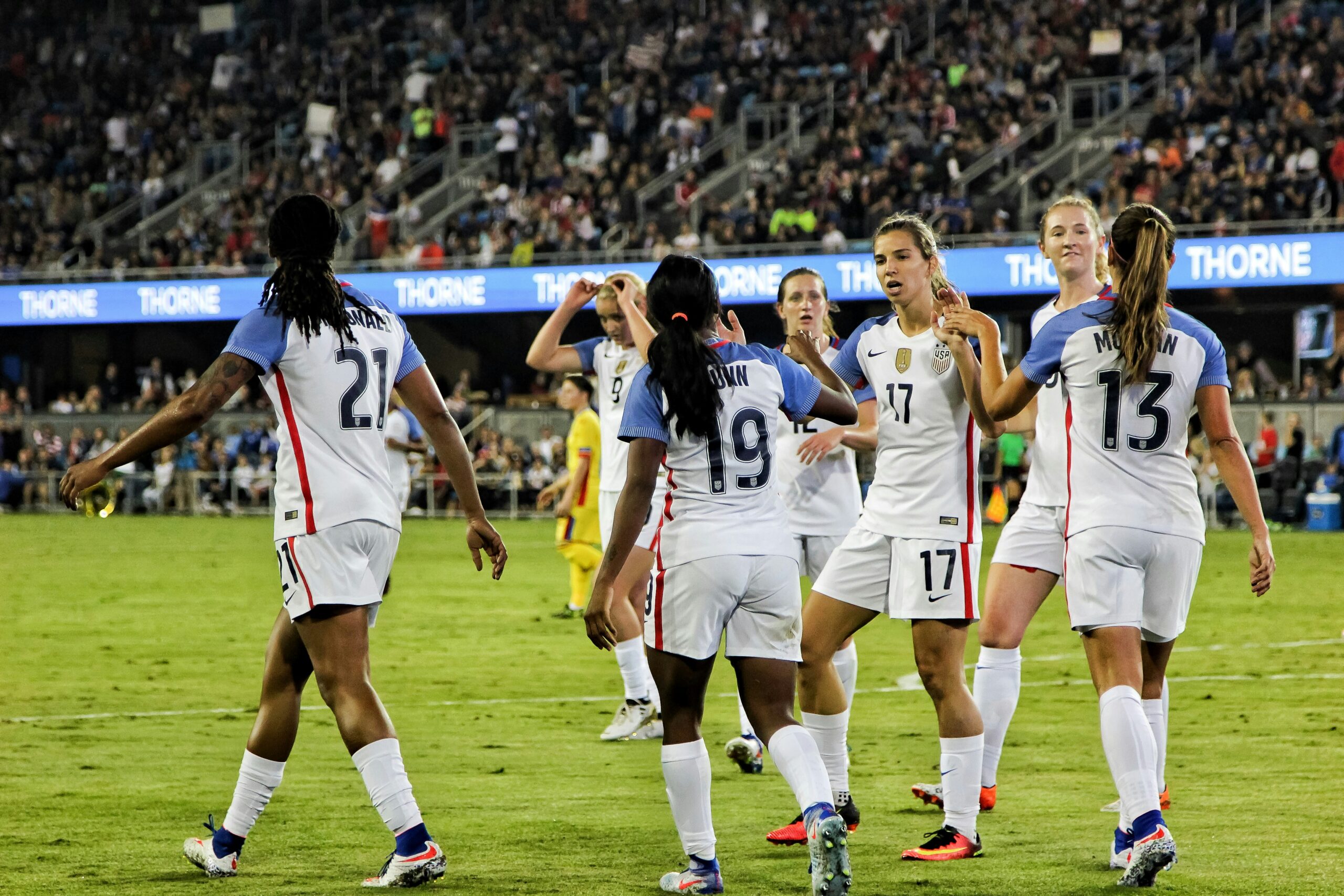
The Road Ahead
The future of American soccer is not set in stone. There is still time for course correction, for reconnecting with fans, and for embracing the global traditions that make soccer the most popular sport in the world. But this will require more than stadiums, corporate sponsorship, and celebrity endorsements.
It will require empathy, community investment, humility, and a willingness to put fans at the center of the narrative.
Final Thought
The United States has tremendous resources and potential in soccer, but that alone does not guarantee cultural acceptance or international respect. True success will come when fans feel valued, traditions are honored, and the game grows from the grassroots up, not just from the top down. Until then, America risks losing far more than matches; it risks losing its place in the heart of the global game.