ROUND ROCK, Texas — There are restaurants people visit because dinner is easier than cooking, and then there are restaurants people return to because the place becomes part of their week.
For many in Round Rock, the Louisiana Longhorn Café became the second kind.
After 25 years in downtown Round Rock, the Cajun restaurant at 200 E. Main St. is preparing to close. The café’s final service date is June 20, giving longtime customers only a short window to stop by for one more plate, one more memory, and one more goodbye.
For regulars, the news feels personal. It is not just another restaurant closing. It is another familiar Main Street door going dark in a city that keeps growing, changing, and asking old favorites to keep up.
A Main Street Favorite Is Saying Goodbye
Louisiana Longhorn Café opened in 1999 and became a steady stop for Cajun food in the heart of downtown Round Rock.
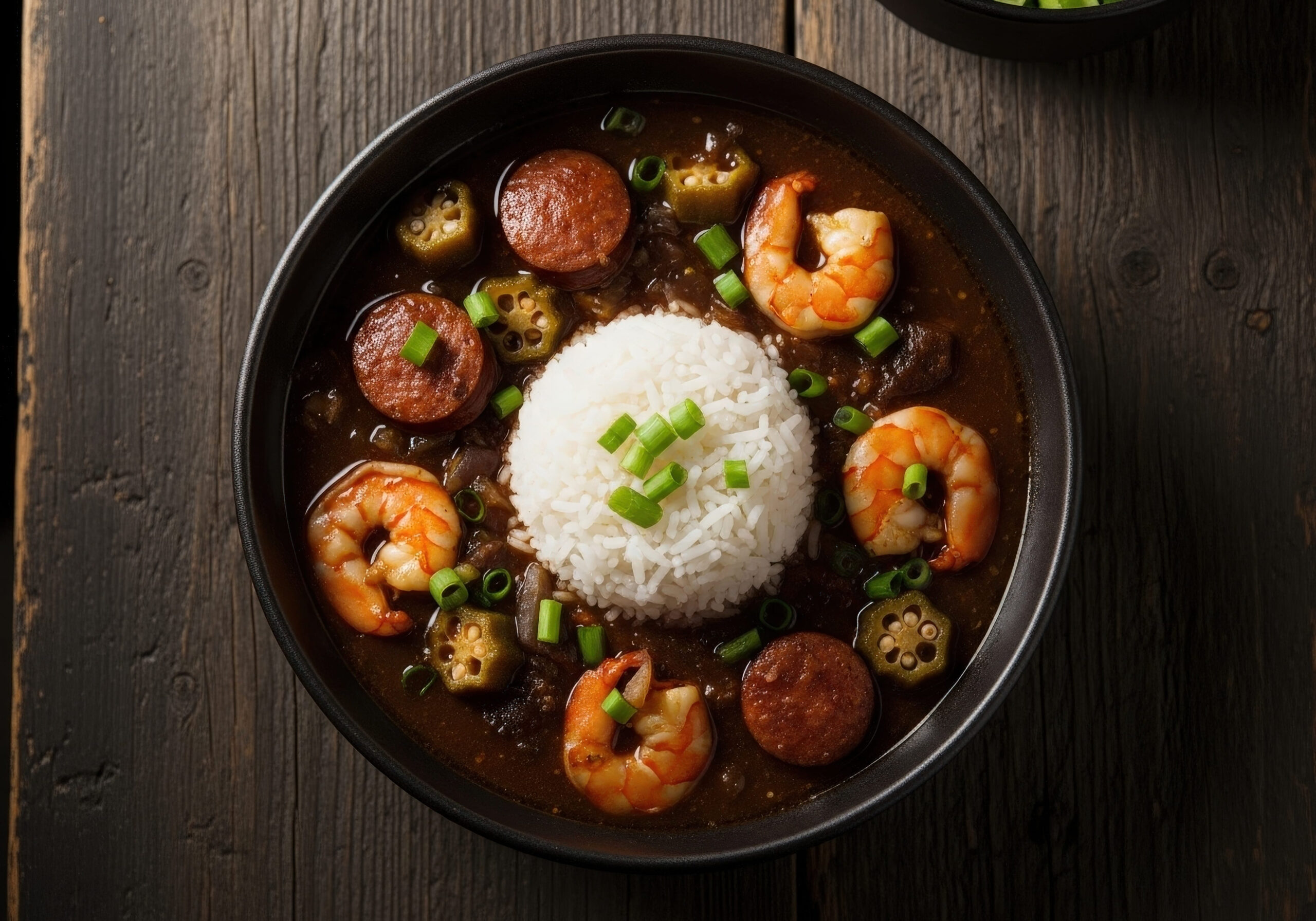
For years, customers came in for gumbo, crawfish, fried catfish, po’boys, étouffée, and other Louisiana-style dishes. It was not trying to look like every polished new restaurant in a booming suburb. It had its own flavor, its own rhythm, and its own crowd.
That is what makes the closing sting. A restaurant that lasts 25 years does not simply serve meals. It becomes part of birthdays, work lunches, date nights, family routines, and the quiet comfort of knowing a favorite place is still there.
The Owners Say the Pressure Became Too Heavy
The closing is not due to a lack of customer love.
Owners Warren and Jenny Smith pointed to the cost of parking changes as part of the pressure behind the decision. Rising food prices, limited parking, and shifts in downtown Round Rock all made it harder to keep the business going.
That is the kind of explanation many small restaurant owners understand in their bones. A place can be loved and still be squeezed. A dining room can have regulars and still face bills that keep climbing.
For customers, that can be hard to accept. People want to believe that loyalty is enough to save a local favorite. But food costs, payroll, rent, insurance, parking trouble, and slower months can wear down even a restaurant with deep roots.
Why This One Hurts Round Rock
Round Rock has grown fast, and downtown has changed with it. More people, more development, more traffic, and more competition have reshaped the area around Main Street.
For some residents, that growth is exciting. It brings new choices, new energy, and more attention to the city.
But for others, the loss of a longtime local café feels like a warning. A city can gain new buildings and still lose some of the places that made it feel personal.
Louisiana Longhorn Café was one of those places. It was the kind of restaurant people recommended without checking a website first. They knew the food. They knew the block. They knew what the place meant.
A Restaurant Built on Recipes and Regulars
The restaurant first opened under Melinda and Ray Overstreet before later changing ownership, keeping its Cajun identity alive through years of change in downtown Round Rock.
That kind of history matters. Customers remember where they sat. They remember the plate they always ordered. They remember bringing someone new and saying, “You have to try this place.”
A bowl of gumbo becomes more than dinner when it is tied to a memory. A plate of fried catfish becomes part of a family routine. A small café becomes a marker in people’s lives.
That is why this closing feels heavier than a business update. It is a local memory reaching its final chapter.
Parking Became Part of the Problem
Parking may seem small until it starts to change where people choose to eat.
In a busy downtown area, convenience matters. A customer may love a restaurant, but if finding a spot becomes a headache, they may choose another place during a rushed lunch break or a crowded evening.
For a small café, those choices add up. One skipped lunch becomes two. One difficult visit becomes a changed habit. Over time, parking can become more than an inconvenience. It can become a business problem.
Downtown Round Rock has more activity than it once did, but that activity does not help every business equally. A restaurant built on loyal repeat visits needs customers to feel like stopping by is still easy.
Crawfish Season Was Not Enough
The café had dishes that brought people in, especially during the colder months and crawfish season. But strong seasons do not always carry a restaurant through the slower stretches.
The bills do not wait for the rush. Payroll, utilities, food orders, maintenance, and insurance keep coming, whether the dining room is packed or quiet.
That is one of the hardest truths behind local restaurant life. A business can have loyal customers and still struggle with the calendar. Busy months feel good, but slow months test everything.
For Louisiana Longhorn Café, the math eventually stopped working.
Regulars Have Only Days Left
The final days of a beloved restaurant are always emotional.
People come back with stories. Families order the dishes they have loved for years. Customers take photos outside. Some sit a little longer than usual because they know the next visit will not happen.
For owners and staff, those final meals can be both comforting and painful. A full dining room shows how much the restaurant mattered, but it also makes the goodbye harder.
That is the strange sadness of a local closing. Love often shows up loudest right before the lights go out.
Main Street Will Notice the Empty Space
The restaurant’s Main Street address puts it in the heart of downtown Round Rock, where local businesses help shape the city’s feel.
That location matters. Main Street restaurants are not hidden in the background. They become part of the scenery, part of the routine, and part of the way people describe a downtown.
When a longtime restaurant closes, the space does not feel empty to everyone right away. Some people still remember the old tables. Some remember the smell from the kitchen. Some remember walking in on ordinary afternoons when the place felt like it would always be there.
For Round Rock, Louisiana, Longhorn Café leaves behind more than a vacant storefront. It leaves behind 25 years of meals, regulars, and local stories.
Local Restaurants Are Feeling the Squeeze
This closing speaks to something Americans are seeing in towns and cities across the country.
Independent restaurants are trying to survive higher food prices, tighter margins, labor costs, insurance costs, rent pressure, and customers who are also watching their own budgets.
That puts owners in a difficult position. If prices stay low, the restaurant may lose money. If prices rise too much, customers may visit less often.
Local restaurants feel that pressure sharply because they do not have the cushion of a national chain behind them. They depend on regulars, good weeks, loyal staff, and a business climate that gives them room to breathe.
For the Louisiana Longhorn Café, that room finally ran out.
What Customers Can Still Do
Customers who want one more meal still have a chance.
They can stop by before June 20, bring family, order a favorite dish, tip the staff, and let the owners know the restaurant meant something to them.
Those gestures will not change the closing date, but they still matter. A small business owner remembers who showed up at the end. Staff remembers kind words. Regulars remember the final plate.
In a city growing as quickly as Round Rock, those moments matter because familiar places can disappear before people realize how much they depended on them.
Round Rock Is Losing a Piece of Its Flavor
After June 20, downtown Round Rock will still have restaurants. Main Street will still draw people. New businesses will open, and the city will keep moving.
But for the customers who spent years walking into Louisiana Longhorn Café, this closing will leave a real gap.
The gumbo, the crawfish, the fried catfish, the familiar service, and the memories tied to that Main Street address will not be easy to replace.
A beloved café is closing after 25 years, and for many Round Rock regulars, Main Street will feel a little less familiar without it.