New York inflation refund checks were designed to put money back into residents’ pockets, but for many households, the payment arrived with a familiar problem. The check helped, yet it did not come close to matching the pressure families have been feeling at grocery stores, gas stations, pharmacies, rent offices, and utility counters.
We are looking at a state where a few hundred dollars can disappear in one trip to the supermarket, one overdue bill, or one emergency repair.
The refund program gave eligible New Yorkers up to $400, depending on income and filing status. That made the payment useful, especially for households already juggling tight budgets. Still, the bigger story is not simply that millions of checks went out.
The bigger story is that New York had to send them at all, because everyday life has become so expensive that even temporary relief now feels like a survival tool rather than a bonus.
The Checks Helped, But They Did Not Change the Math
The New York inflation refund checks gave many households a short burst of relief. For a family receiving the full $400, the money could help cover groceries, a utility bill, school expenses, transportation, or part of a medical copay. For single filers receiving $150 or $200, the check still mattered because even smaller payments can buy breathing room when budgets are already stretched.
But we cannot confuse relief with recovery. A refund check can soften one difficult week, yet it cannot reverse months of higher prices. Rent does not shrink because a check arrived. Child care does not become affordable overnight.
Insurance premiums, phone bills, food prices, and transportation costs keep moving on their own schedule, and many New Yorkers know the money may be gone before the next billing cycle ends.
The refund was automatic, but many people still felt left out.
One of the clearest benefits of the program was that eligible residents did not need to apply. The state used tax return information to determine who qualified, which made the process easier for many people who might have missed a deadline or struggled with paperwork. That automatic system reduced confusion for households already exhausted by forms, portals, and eligibility rules.
Still, automatic does not mean universal. Residents generally needed to have filed a 2023 New York resident income tax return, reported income within the qualifying limits, and not been claimed as a dependent by another taxpayer.
That left out some people who may still be struggling, including residents who did not file, part year residents, some lower income people with unstable filing histories, and newcomers who arrived after the qualifying tax year.
A $400 Maximum Sounds Better Than It Feels in Real Life.
On paper, a check of up to $400 sounds meaningful. In real life, it depends on where someone lives, how many people depend on that household income, and what bills are already overdue. In New York City, Long Island, the Hudson Valley, and other high-cost areas, $400 can vanish quickly once rent, food, transit, electricity, and debt payments are factored in.
That is why the refund created two reactions at once. Many residents appreciated the money because nobody wants to turn down relief. At the same time, plenty of families likely saw the payment as a reminder of how far behind wages and household budgets have fallen.
When a state refund check feels less like extra cash and more like emergency oxygen, the affordability problem runs much deeper than a single payment cycle.
Paper Checks Created Their Own Anxiety

The refund was mailed as a paper check, even for taxpayers who usually receive direct deposit for regular income tax refunds. That detail matters because paper checks create delays, address concerns, cause lost mail worries, and create confusion for residents who expected money to appear electronically.
A paper check can also be stressful for people who have moved, live in shared housing, rely on unstable mail access, or worry about theft.
We should not ignore the practical frustration here. Residents could not simply track the check in the same way they might track a package. The state also warned that checks were not mailed by region or ZIP code, which meant neighbors could receive payments at different times. That may be administratively normal, but for households waiting on money, uneven timing can feel personal and confusing.
The Income Limits Created Winners and Losers
The refund amount depended on the filing status and the New York adjusted gross income for the 2023 tax year. Single filers earning $75,000 or less qualified for $200, while those earning more than $75,000 and up to $150,000 qualified for $150. Married couples filing jointly could receive $400 if their income is $150,000 or less, or $300 if their income is more than $150,000 and up to $300,000.
Those thresholds sound straightforward, but real life is rarely that neat. A household just over the cutoff can face the same rent, grocery prices, and utility bills as a household just under it. Income limits are necessary in most relief programs, yet they can still feel unfair to residents who barely miss the better payment amount while still living under serious financial pressure.
The Refund Did Not Solve the Bigger Tax Burden
New York framed the checks as a way to return money after inflation helped push sales tax collections higher. That makes sense as a policy message, since residents paid more as prices rose. The problem is that New Yorkers are still dealing with a layered tax environment that includes income, sales, and property taxes, local costs, and fees that shape the overall cost of living.
A one time refund cannot erase that broader burden. It can return a small portion of money to households, but it does not change the structure that made residents feel squeezed in the first place. We should see the refund as a signal. If the state collected enough inflation driven revenue to justify sending checks back, then residents were already paying more than they could comfortably absorb.
The Federal Tax Question Made the Relief Feel Messier
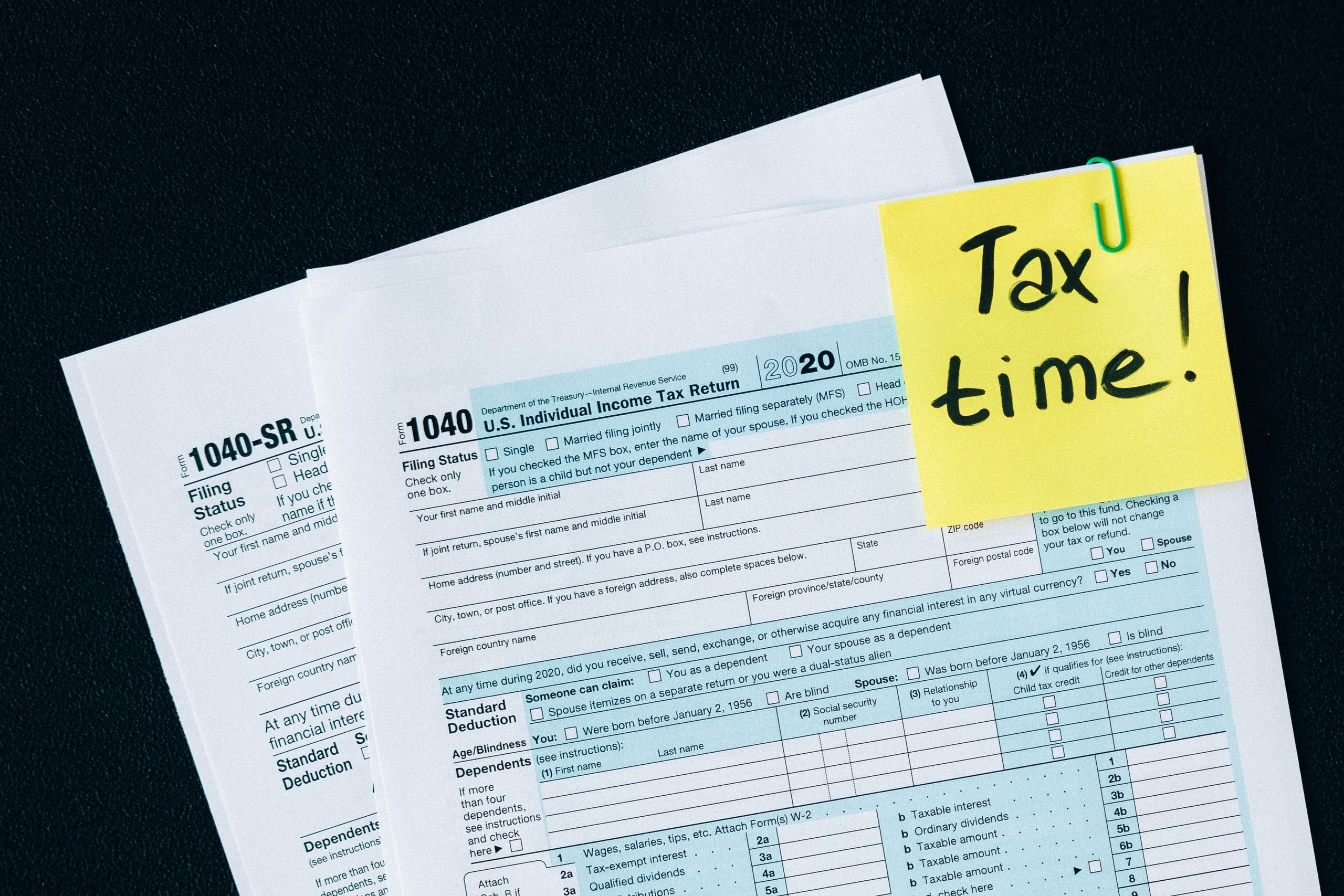
The refund also raised questions about tax reporting, especially for residents who received government payment information and wondered how it would affect federal taxes. That kind of uncertainty can make a simple relief payment feel more complicated than it should.
When people receive money meant to help with inflation, they do not want to spend months wondering whether part of it will be recouped as a tax liability.
This is where communication matters. Relief programs work best when residents know exactly what to expect, how to report the payment, and what it means for their next return. Even if many residents owe little or nothing due to their specific filing situation, confusion alone can undermine confidence in the program. A check is helpful, but clarity is part of the relief, too.
The program shows how deep New York’s affordability problem has become.
The biggest lesson from the New York inflation refund checks is not that the state sent money. It is because millions of people need it. When more than 8 million households qualify for inflation related relief, we are no longer talking about a small group facing temporary pressure.
We are talking about a broad affordability crisis touching working families, retirees, renters, homeowners, students, parents, and middle income earners who once felt more secure.
New York’s cost of living problem has become a daily pressure point. People feel it in smaller grocery carts, delayed repairs, postponed medical care, higher credit card balances, and uncomfortable conversations at the kitchen table.
The refund checks gave residents something real, but they also exposed something uncomfortable. A few hundred dollars can help for a moment, but the state’s affordability crisis demands more than a one time payment.
The New York inflation refund checks were useful, timely, and simple for many eligible residents. We should recognize that a household receiving $150, $200, $300, or $400 may have used that money for food, rent, transportation, child care, prescriptions, or bills that could not wait. That matters.
But we should also be honest about what the checks could not do. They could not make New York affordable again. They could not undo years of rising costs. They could not protect families from the next rent increase, the next grocery shock, or the next utility bill. The refund put money back into millions of pockets, but it also revealed how many pockets were nearly empty before the check arrived.