Florida has long marketed itself as a sunny escape with beaches, low taxes, and warm weather. For renters, that dream now comes with a steep cost. A 2026 ConsumerAffairs study ranked Florida dead last in the country, showing the typical tenant spends 37.4% of income on rent. This crisis affects over 3.5 million renter households across the state, including teachers, nurses, hospitality staff, and retirees who can no longer rely on renting for flexibility.
Rent Is Eating Too Much of the Paycheck
In Florida, renters spend an average of $1,669 per month, which is 7.4% above the traditional affordability benchmark of 30%. About 58% of renters now dedicate over 30% of their income to housing, according to Census-backed data. That leaves families scrambling for essential food, gas, medical bills, and insurance. Rent dominates monthly budgets, turning routine bills into a constant negotiation.
The Median Rent Is Already Painfully High

Florida’s median rent has surged 12% over the past three years to $1,669, while wages for service, tourism, and healthcare workers have risen only 5% in the same period. This mismatch forces many full-time workers to spend more than a third of their income on rent alone. Over 900,000 low- to middle-income households are now considered “rent burdened.” Paying premium prices without matching income has become the norm for ordinary tenants.
The Crisis Is Not Just About Shortage
Despite high rents, Florida’s rental vacancy rate is 7.6%, one of the highest in the nation. The problem is affordability, not scarcity; most available units are still priced out of reach for average renters earning $45,000–$55,000 annually. Teachers, nurses, and single parents face a market where options exist but are financially unrealistic. Empty units offer little relief if monthly rent consumes over a third of income.
Tenant Protections Are Thin
Florida ranks lowest in the country for renter protections, leaving tenants exposed to steep rent increases and added fees. Lease renewals can spike 10–15% with little recourse, while eviction notices require only 3 days for nonpayment. Approximately 1.2 million renters live without strong legal protections against sudden financial shocks. Weak safeguards turn rent into a constant source of stress rather than a manageable monthly expense.
Local Cities Have Less Power to Help
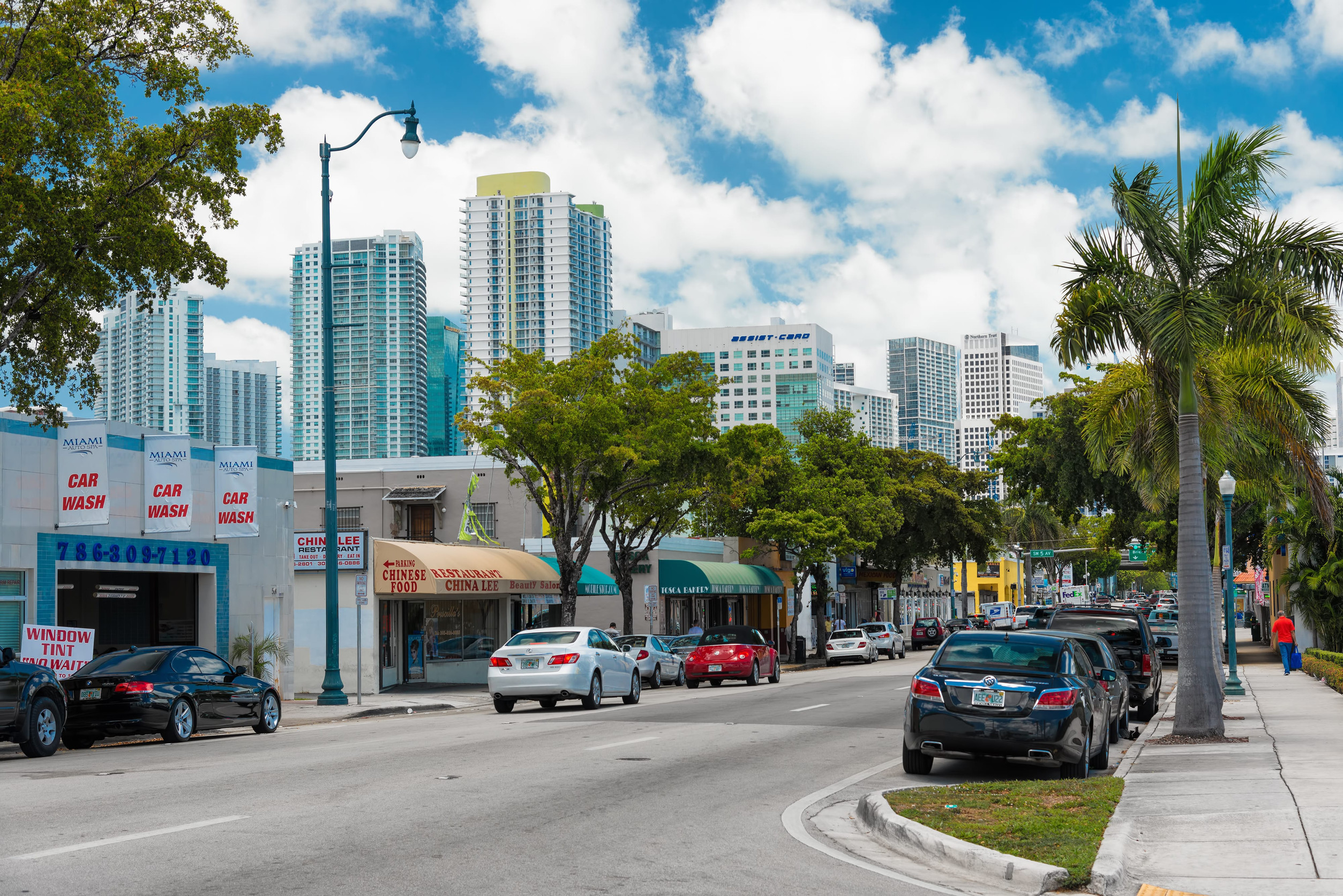
State preemption limits local governments from regulating rent, even in high-cost markets. Cities like Miami and Tampa have little authority to impose rent caps, just-cause eviction rules, or fee limits. That leaves over 2 million urban tenants at the mercy of market-driven rent hikes. A statewide system may simplify regulation, but local renters feel the squeeze first and hardest.
Low-Income Renters Are in the Deepest Trouble
Nearly 905,000 low-income Florida renters pay over 40% of their income toward housing, according to the University of Florida’s Shimberg Center. This group includes families earning less than $35,000 per year who are forced to cut back on groceries, transportation, and healthcare. Renters in this bracket face a 65% probability of housing instability within a year. For many, the crisis is survival math, not lifestyle choice.
The Affordable Rental Gap Is Huge
The National Low Income Housing Coalition reports Florida has only 26 affordable rental homes for every 100 extremely low-income renter households. In practice, this leaves over 275,000 families competing for a tiny pool of suitable units. Many double up with family members or move far from their jobs, resulting in longer commutes and financial strain. Even when the market looks active, affordable options are functionally inaccessible.
Rising Rent Blocks the Path to Ownership

High rents limit the ability to save for a down payment. Tenants spending $1,669 per month typically set aside less than $200 for savings or debt reduction. Combined with Florida’s median home price of $410,000 and insurance costs averaging $3,000 annually, renting becomes a trap rather than a stepping stone. Many long-term renters cannot realistically move into homeownership.
Insurance and Operating Costs Add Another Hidden Pressure
Property insurance, hurricane risk, and maintenance costs drive up rents by an estimated 5–8% annually. Renters indirectly pay for these risks, especially in coastal counties where insurance premiums average $3,200 per year. Climate risk adds a hidden layer to monthly rent, compounding the 37.4% of income already consumed. For tenants, paying for storm protection is now baked into the lease.
Conclusion
Florida’s renter crisis combines high costs, thin protections, and limited affordability into a crushing burden. With over 3.5 million rent-burdened households and median rents at $1,669, tenants face constant financial stress. Weak legal safeguards, insurance-driven rent hikes, and limited local recourse make Florida’s apartments feel like a trap. Sunshine and beaches may lure newcomers, but for renters, the state increasingly delivers financial strain over security.