The Broken Promise of Jobs for Americans
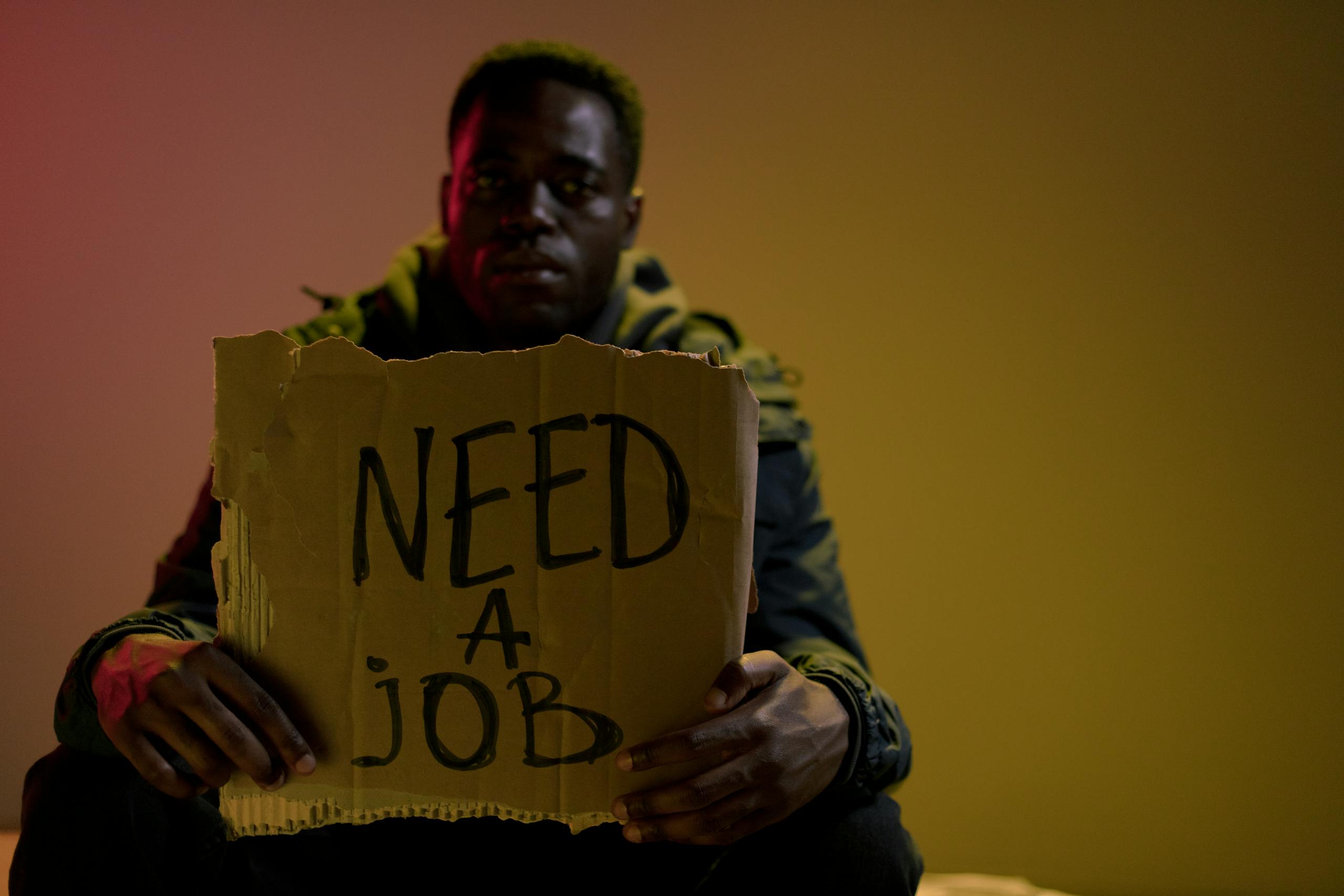
The political pitch was simple: deport undocumented workers, and American jobs will expand. Yet the reality is far more complex. Workplaces do not operate like a game of musical chairs where one person leaves, and another immediately fills the seat.
When Immigration and Customs Enforcement (ICE) swoops into cities, the consequences ripple across entire local economies, affecting American-born workers as much as immigrants. Every raid destabilizes businesses, slows projects, and creates uncertainty. Industries reliant on continuous labor, construction, hospitality, agriculture, and food service- feel the shock first.
Projects stall, revenue drops, and U.S.-born employees are often the ones losing shifts, paychecks, or hours despite not being the targets of enforcement. The simple slogan of “protecting jobs” cannot survive the complexity of real economic systems.
Local Supply Chains Shattered by Enforcement Surges
ICE operations ripple far beyond the individuals arrested. In cities like Laredo, Texas, and Houston, raids have removed hundreds of workers overnight, stalling construction projects, halting manufacturing schedules, and delaying deliveries. Businesses are forced to slow operations or reduce hours when crews are missing, and the lost productivity hits U.S.-born employees directly.
A construction site without framers or electricians cannot move forward, and delays cascade to project managers, inspectors, and subcontractors. Even food service chains feel the disruption. Restaurants lose kitchen staff or delivery drivers, forcing shorter hours or closed shifts.
Small manufacturers and farms face delayed shipments. Each missing worker interrupts a sequence of labor-dependent operations, showing that the real cost of enforcement extends well beyond the number of arrests.

Fear Is Its Own Economic Driver
Economic harm is amplified by fear. Enforcement campaigns create uncertainty, discouraging both immigrants and native-born workers from participating fully in local economies. Families avoid restaurants, farmers’ markets, and shopping districts.
Workers hesitate to travel to work or pick up extra shifts. Studies show that fear-driven suppression of labor and consumer activity can depress local economies as effectively as actual job loss. Even businesses without immigrant workers feel the impact. Arts venues, gyms, entertainment districts, and neighborhood shops experience reduced foot traffic.
Revenues shrink, businesses cut hours, and U.S.-born employees lose work they would have otherwise had. The economic impact is pervasive and invisible until earnings reports, municipal budgets, and local employment data reveal the damage.
American Workers Depend on Immigrant Labor
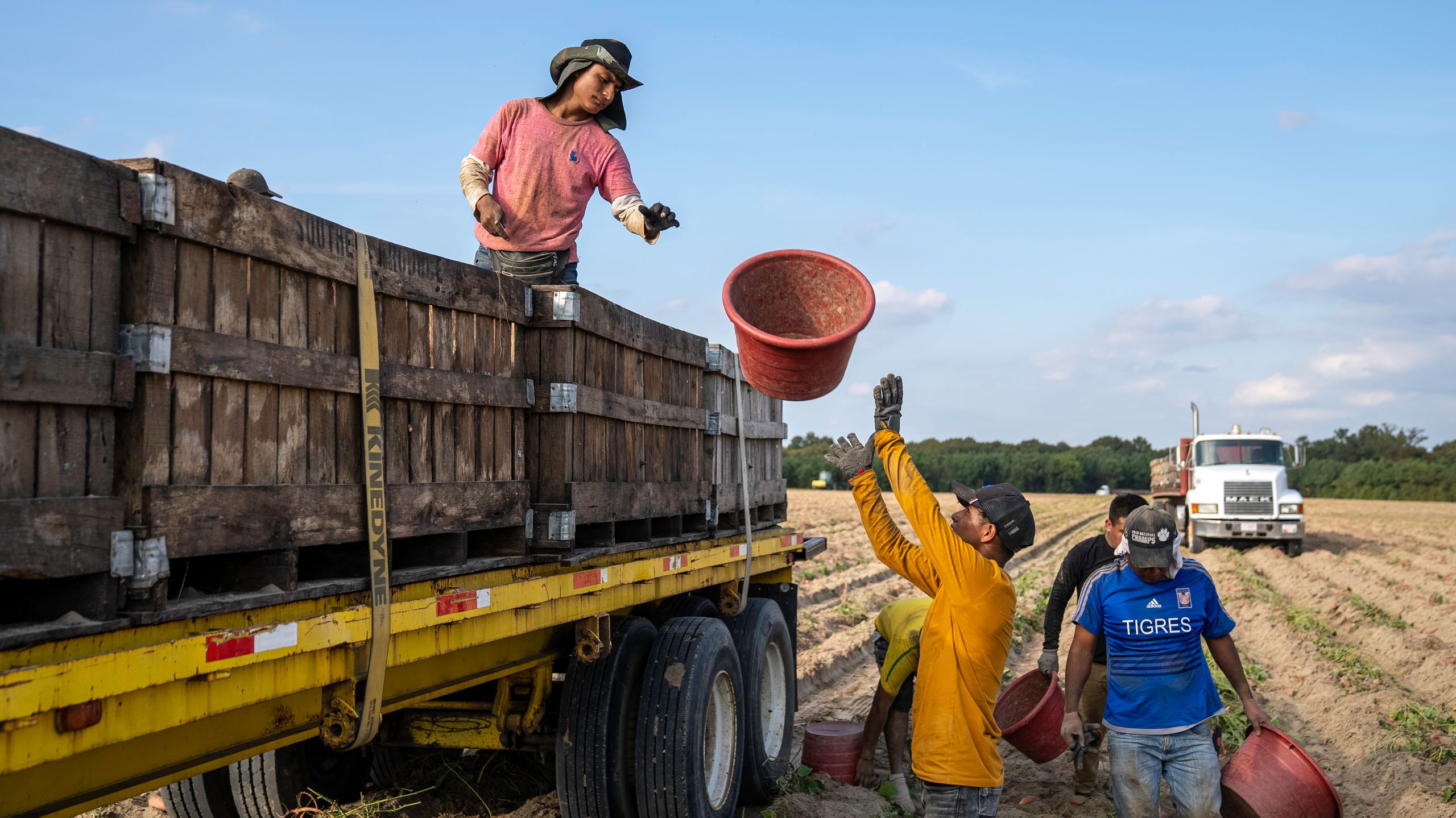
Immigrant-heavy industries are not in competition with native-born workers; they complement them. Restaurants need chefs and kitchen staff; construction firms need framers, electricians, and laborers; farms need pickers and packers. Removing those workers often disrupts entire operations, reducing hours for Americans who rely on functional businesses.
Brookings researchers estimate that ICE surges in 2025 led to 668,000 job losses across the 86 most enforcement-heavy cities. Between 51,000 and 297,000 of those lost jobs belonged to U.S.-born workers. The link is straightforward: if immigrant employees disappear suddenly, projects stall, sales decline, and businesses cannot maintain the workforce necessary for operations, directly affecting American-born employees.
Small Businesses Take the Brunt
Large corporations can absorb disruptions, but small businesses cannot. A family-owned restaurant in San Diego that has lost three kitchen staff members may have to cancel dinner service. A boutique hotel in Knoxville without enough housekeepers may reduce room availability.
Local construction firms cannot quickly find replacement crews, resulting in delays to housing or infrastructure projects. The result is revenue loss, layoffs, and diminished opportunity for both immigrant and native-born staff. The consequences extend beyond employment.
Businesses miss deadlines, consumers see higher prices, and communities experience slower growth. ICE enforcement, intended to protect American workers, often undermines the very economic ecosystems in which they work.

Regional Economic Inequality Worsens
Enforcement surges hit immigrant-heavy cities hardest, while rural or immigrant-light areas largely avoid direct impact. Cities like Houston, Laredo, San Diego, and Knoxville experienced sharp drops in employment and revenue, while nearby regions remained stable.
This geographic concentration magnifies inequality, showing that enforcement policies can create winners in one area and disproportionately harm another, often reinforcing political and social divides.

Entrepreneurial Ecosystems in Peril
ICE raids also discourage entrepreneurship. Restaurants, small construction companies, and local service providers often rely on immigrant labor to start and scale. Sudden enforcement spikes increase labor costs, introduce legal uncertainty, and scare off partners or investors.
The result is fewer businesses opening, fewer jobs created, and slower economic mobility for local communities, showing that deportation policies can have structural, long-term economic consequences beyond immediate job loss.
Prices Rise When Work Slows
Disrupted labor markets inevitably affect prices. Housing projects delayed by missing construction crews increase home prices. Harvest delays in agriculture raise grocery costs. Restaurants and hotels with reduced staffing pass costs onto customers.
Families across enforcement-heavy cities feel these economic effects, even if they themselves are not directly involved in the labor markets targeted by ICE.

Psychological and Productivity Effects
Stress and uncertainty ripple through workforces. Immigrant employees may skip work out of fear, but U.S.-born workers also suffer from unpredictability in schedules, project delays, and income.
Occupational research confirms that high-stress environments reduce productivity, increase absenteeism, and decrease retention. Fear-driven suppression and uncertainty create productivity losses that cannot be captured solely in arrest statistics.
The Long-Term Fiscal and Economic Ripple
ICE enforcement affects municipal revenues and local economies. Reduced income and sales tax receipts coincide with higher demand for social services. Fewer working hours and disrupted consumer spending limit business growth.
Over time, local governments may face tighter budgets, less infrastructure investment, and slower economic development. The hidden cost of enforcement extends far beyond headline job loss numbers.

A Smarter Policy Would Protect Jobs and Communities
A truly effective labor and immigration policy would focus on public safety, legal pathways to work, predictable access to labor, and community stability. It would separate border security from local economic shocks, allowing businesses to plan, hire, and grow without fear-driven interruptions.
Enforcement can exist without destabilizing neighborhoods, punishing U.S.-born workers, and slowing essential industries. Policies should reinforce economic resilience, not create a ripple of avoidable harm.
Final Thoughts
Enforcement-driven deportation policies may satisfy political objectives, but they often fail to make economic sense. ICE raids create cascading labor shortages, disrupt small businesses, slow projects, depress consumer spending, and reduce job stability for U.S.-born workers.
The real cost of these operations goes beyond the number of arrests; it is weakened economic networks, delayed infrastructure, higher prices, and communities facing uncertainty. Protecting American jobs requires policies that stabilize workplaces, sustain business operations, and preserve the integrated labor networks that actually keep cities running.