A wedding ring is one of the smallest physical objects in a marriage, but it carries enormous emotional weight. One missing ring can spark questions, doubts, and tension, even in relationships built on trust. Understanding why men avoid wearing them requires looking beyond appearances to practical concerns, emotional signals, and personal values.
While a ring is a visible symbol of commitment, its absence does not always signify disloyalty. Men remove or avoid rings for a wide range of reasons, some practical, some emotional, some philosophical. Recognizing these reasons helps couples navigate sensitive conversations and maintain trust.
Physical Discomfort and Fit Issues

A ring can feel strange or irritating, especially for men who never wore jewelry before marriage. Tightness, rubbing, or pinching can make the band uncomfortable during work or daily activities. Hot weather, swelling, and sweat exacerbate the issue, turning a sentimental object into a source of distraction.
Resizing, switching to lighter metals, or wearing silicone alternatives can solve the problem. When men refuse all solutions without explanation, however, it signals a disregard for the ring’s symbolic meaning to their spouse.
Personal Philosophy or Minimalism
Some men reject jewelry for philosophical reasons. They may see rings as unnecessary, materialistic, or performative. Minimalist men may feel a ring is redundant when their loyalty and commitment are demonstrated through actions rather than symbols.
While valid, this perspective can clash with a spouse’s expectations. Couples must align on how visible commitment is expressed to avoid tension over missing jewelry.
Emotional Weight and Past Trauma

Men who have experienced betrayal, failed relationships, or toxic role models may unconsciously avoid rings. The band can evoke pressure, fear, or negative associations. This avoidance is often psychological rather than relational.
Recognizing the emotional baggage helps partners distinguish between personal coping mechanisms and a lack of commitment, making communication more empathetic and solution-focused.
Desire for Privacy or Low Visibility
Some men dislike public displays of marital status. A wedding ring announces personal information to colleagues, strangers, or social circles, which can trigger discomfort or anxiety. Men may remove rings to maintain a sense of privacy or avoid questions.
This is practical in crowded social settings, but transparency is key. Explaining the reason for occasional absence prevents misunderstandings and preserves trust.
Financial Constraints
Replacing a lost, damaged, or ill-fitting ring can be expensive. Men may avoid rings when finances are tight, prioritizing rent, bills, or childcare over jewelry. This practical reason is compounded if discussion about money is avoided.
Transparency about financial constraints helps partners understand the absence without jumping to conclusions about commitment or carelessness.
Desire to Appear Single or Independent

Men sometimes remove rings to navigate certain social situations without the “married” label. This can be harmless curiosity, but often it is about attracting attention or avoiding questions. The behavior can damage trust, even if nothing physical occurs.
Couples need to address boundaries and shared expectations. A missing ring in these contexts often reflects choices about social behavior rather than lack of affection.
Forgetfulness and Lifestyle Oversight
Busy schedules, handwashing routines, workouts, or frequent travel can lead men to forget rings. Missing bands in these cases are often incidental rather than intentional. The problem becomes relational when men fail to acknowledge the absence.
Simple habits, like a designated ring spot or reminder system, can prevent misunderstandings and maintain visible commitment.
Physical Changes Over Time
Weight gain, swelling, arthritis, or other medical conditions can make rings uncomfortable or unsafe. Men may remove bands to prevent circulation problems or pain. This is a health-based decision rather than an emotional one.
Professional resizing or flexible alternatives, such as silicone bands, can preserve symbolic value while accommodating physical changes.
Anxiety About Maintenance
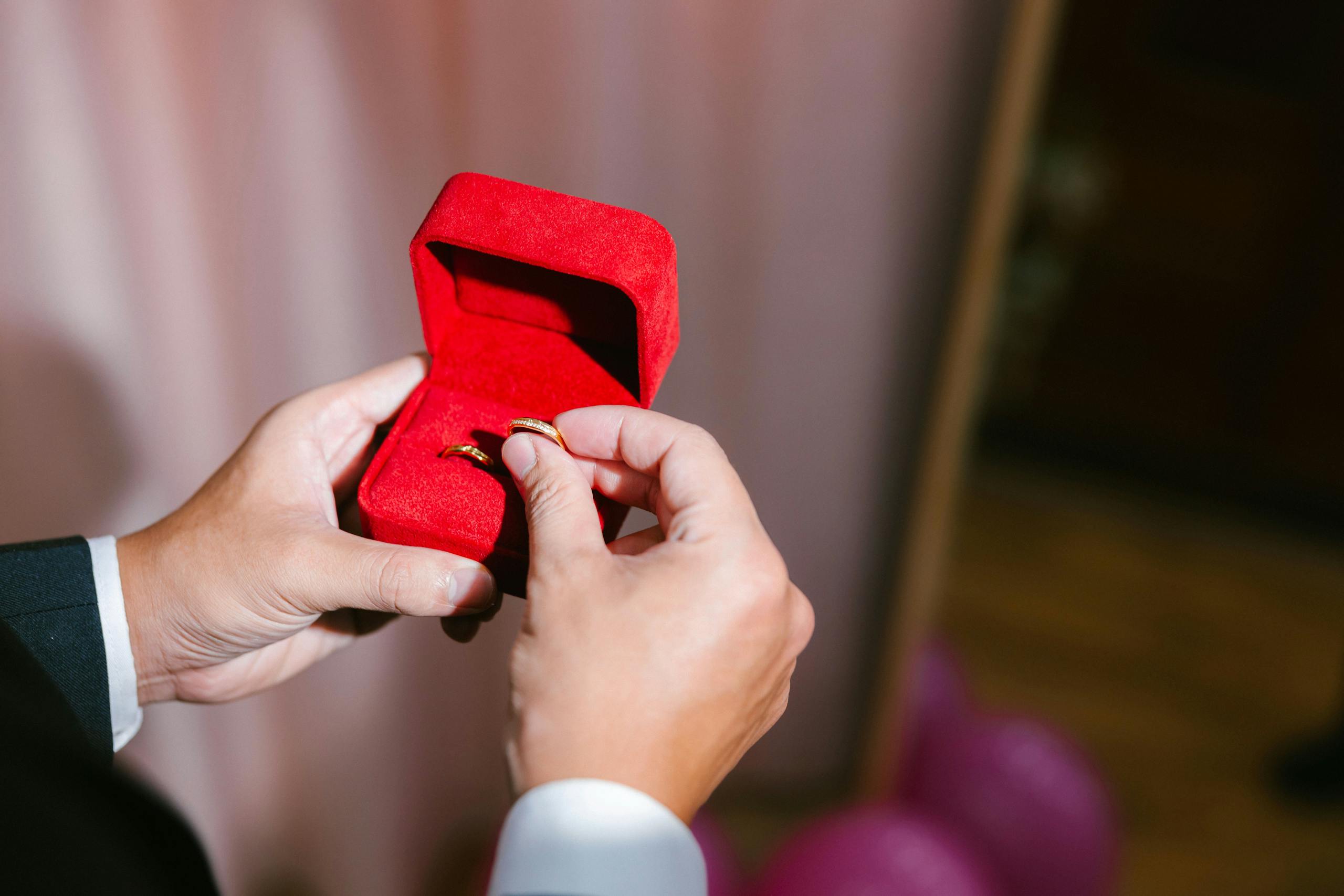
Jewelry requires ongoing care. Rings collect sweat, dirt, lotion, and soap residue. Men with high hygiene standards or aversion to cleaning may see rings as constant chores, prompting avoidance.
Low-maintenance metals or bands that require minimal attention resolve this issue while keeping symbolic intent intact.
Cultural or Religious Beliefs
Certain cultural or religious traditions deem rings unnecessary or inappropriate. Men may avoid wearing one in alignment with personal or familial beliefs.
Understanding these influences reframes absence as respect for tradition rather than neglect, helping partners navigate expectations thoughtfully.
Anxiety or Mental Health Considerations
Some men remove rings during periods of anxiety, depression, or emotional strain. The band can feel like a public marker during stressful times, intensifying mental burden.
Recognizing mental health as a factor ensures empathy and opens discussion on coping strategies that maintain relational security
Alternative Symbols of Commitment
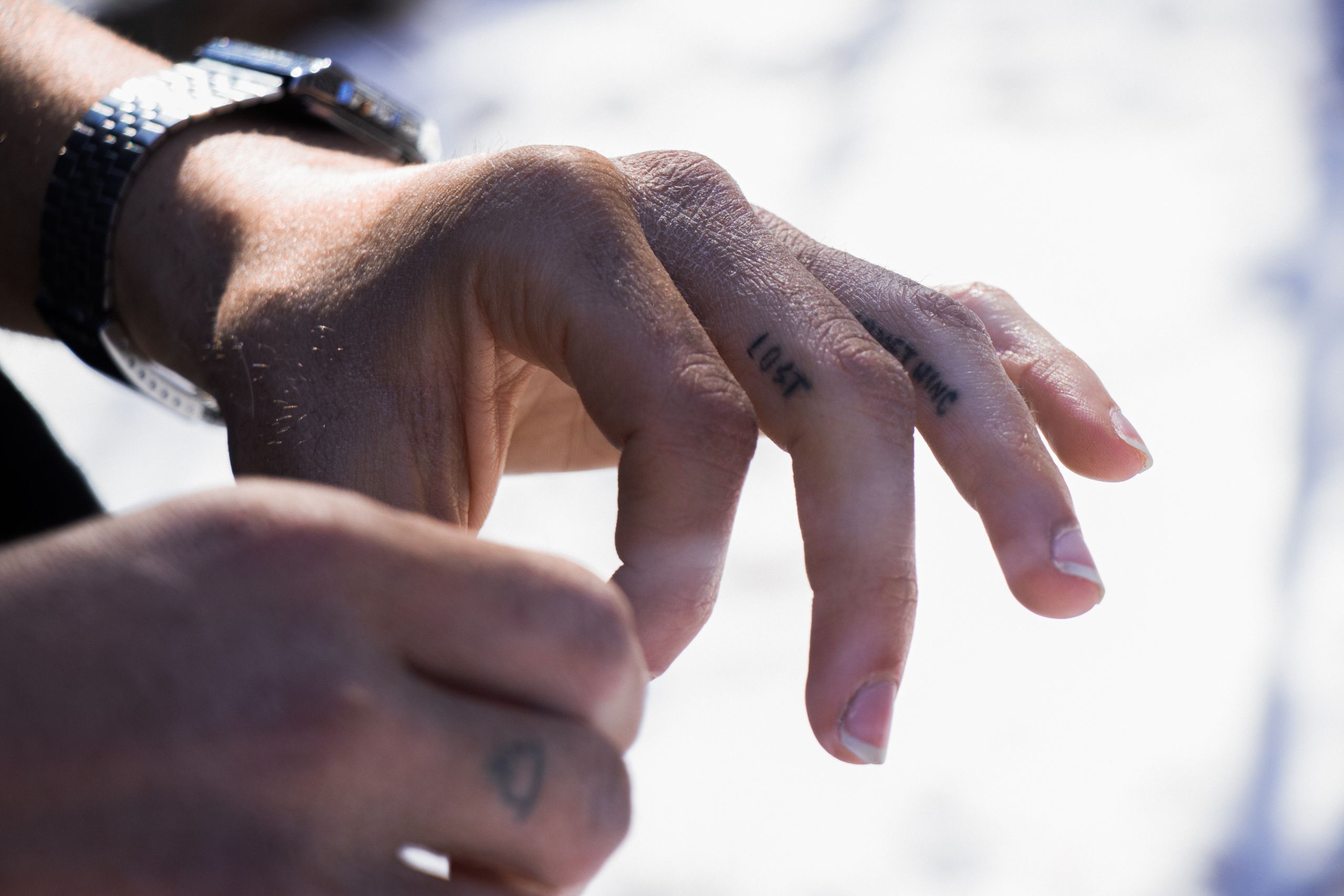
Men may prefer tattoos, bracelets, or shared rituals as markers of commitment. Rings feel redundant when devotion is expressed through daily actions rather than jewelry.
Aligning on shared symbols ensures both partners feel valued and secure without forcing traditional conventions.
Conclusion
Wedding rings carry immense symbolic weight, but they intersect with practical, emotional, philosophical, and social realities. A missing band may signal safety concerns, personal values, stress, or subtle distance. What matters most is communication, transparency, and mutual understanding.
In healthy marriages, missing rings are addressed respectfully, ensuring both partners feel seen, valued, and secure. The ring is small, but the conversation around it can define the strength and trust of a relationship.