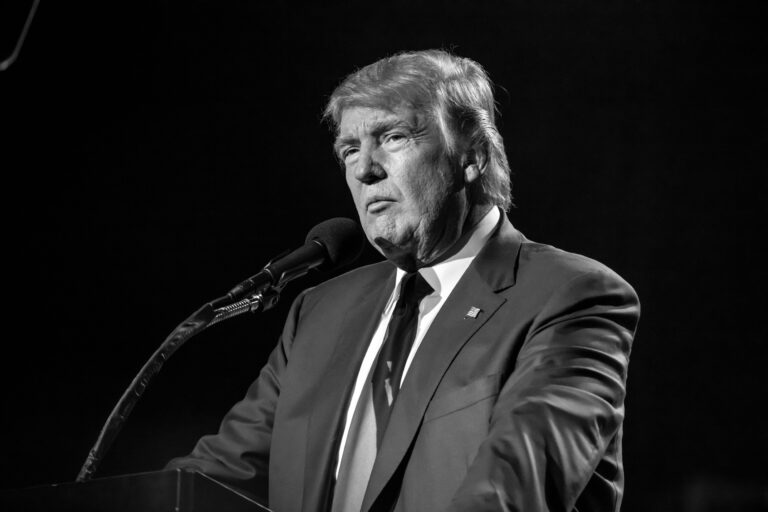
U.S. forces launched precision strikes against Iranian military targets on Qeshm Island on June 3, following ballistic missile attacks directed at Kuwait and Bahrain. The operation, executed under the framework of “self-defense,” was confirmed by U.S. Central Command (CENTCOM) and targeted Iranian military infrastructure associated with regional aggression. The strikes occurred without any reported casualties among U.S. personnel, signaling a carefully calibrated response aimed at deterring further hostile action.
CENTCOM detailed that several Iranian missiles were fired toward regional allies, but none reached their intended targets. Two missiles aimed at Kuwait fell short or disintegrated in flight, while Bahrain’s air defenses, supported by U.S. interception systems, successfully neutralized three incoming missiles. These defensive successes highlight the integration of U.S. and allied missile defense networks across the Gulf, ensuring that the immediate threat to regional stability was mitigated.
Iran’s Escalation and Threats of Retaliation
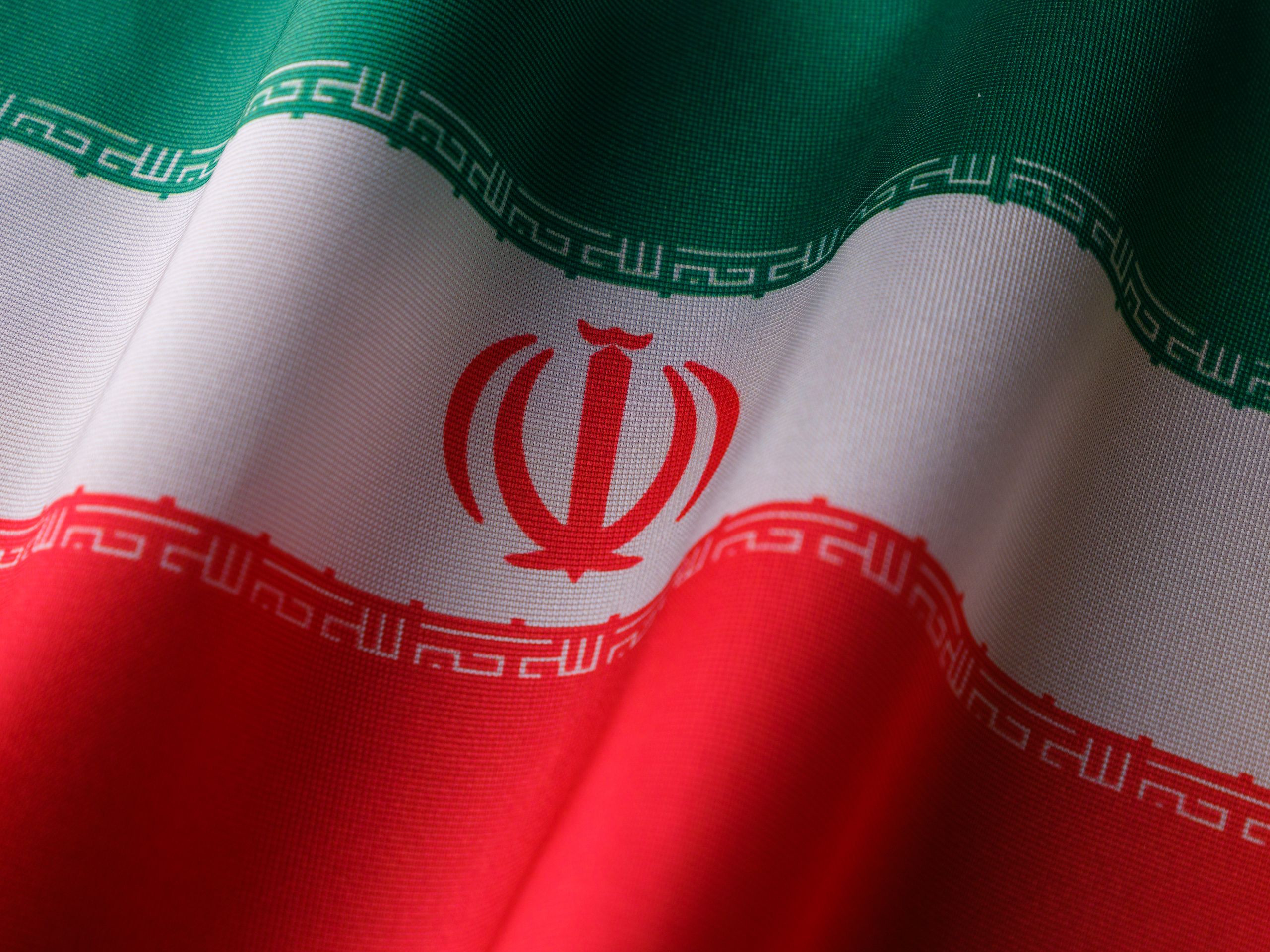
The Islamic Revolutionary Guard Corps (IRGC) claimed responsibility for the missile attacks on Kuwait, framing them as retaliation against perceived U.S. aggression targeting Qeshm Island facilities. Tehran asserted that at least ten ballistic missiles were launched toward Kuwaiti territory and issued warnings of a potentially larger response in the near future. This rhetoric underscores a continuing cycle of tit-for-tat engagements that risks further destabilizing the region.
The IRGC’s messaging reflects the broader strategic posture of Iran, which has historically emphasized missile capabilities as a deterrent while simultaneously leveraging media narratives to reinforce claims of external threats. Regional governments, therefore, must navigate both the physical threat of missile strikes and the political messaging designed to influence local and international perception.
Fragile U.S.-Iran Ceasefire and Stalled Negotiations
The current strike occurs against the backdrop of a fragile ceasefire between the United States and Iran, which was initially brokered in April 2026 and subsequently extended indefinitely. Despite ongoing discussions aimed at easing tensions, a proposed framework to lift the blockade and reopen the Strait of Hormuz remains contentious. U.S. officials have dismissed Iranian reports of a finalized memorandum as “fiction,” citing outstanding disagreements over terms and enforcement mechanisms.
Diplomatic efforts have further stalled after Israeli strikes in Lebanon, prompting Iran to suspend negotiations until hostilities cease in Lebanon and Gaza. Washington has publicly stated that no formal communication regarding this suspension has been received from Tehran. These developments illustrate the complex interplay between U.S.-Iran negotiations, Israeli military activity, and broader regional security concerns.
Strategic Implications of the Qeshm Strikes
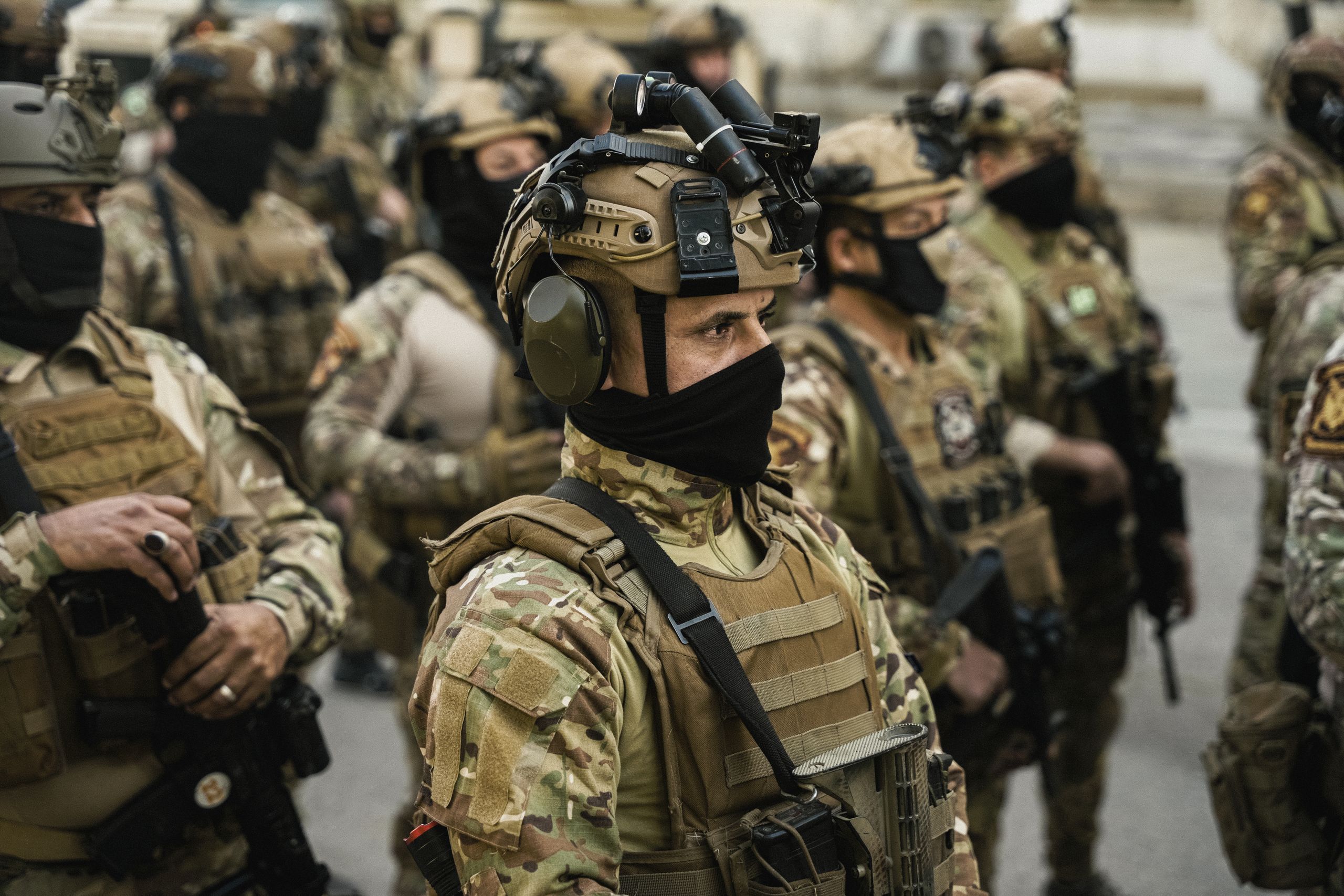
The targeting of Iranian military infrastructure on Qeshm Island represents a strategic move designed to degrade offensive capabilities while signaling a firm deterrent posture. U.S. officials have emphasized the limited, precision nature of the strikes, intended to prevent escalation while maintaining pressure on Tehran to resume dialogue under mutually acceptable terms.
Military analysts note that Qeshm Island serves as a critical logistical hub for Iran’s regional missile and naval operations. Neutralizing select assets there constrains operational flexibility without provoking full-scale retaliation, reflecting a measured approach to escalation management.
Regional and Global Security Considerations
These recent events heighten concerns across the Gulf and beyond, as missile threats, military strikes, and stalled diplomacy converge to create uncertainty in shipping, energy, and economic sectors. The Strait of Hormuz remains a particularly sensitive artery, through which a significant portion of global oil trade transits. Any miscalculation could trigger disruptions with cascading effects on global markets.
Governments in the region continue to monitor U.S.-Iran interactions closely, balancing defense preparedness with ongoing diplomatic engagement. International observers warn that while immediate U.S. retaliatory strikes have contained the initial threat, the potential for escalation remains high unless coordinated political solutions are pursued.
U.S. Position and Messaging

The United States has framed the strikes as necessary defensive actions, emphasizing compliance with international law and adherence to proportionality. Official statements assert that these measures are intended to protect regional partners, enforce deterrence, and uphold freedom of navigation.
By maintaining public transparency regarding operational intent and outcomes, Washington seeks to reinforce credibility with allies while signaling to Iran that continued aggression carries tangible consequences. These communications are integral to managing both domestic perception and international response.
Monitoring the Situation
CENTCOM and allied military commands continue to assess Iranian missile activity, regional threats, and the efficacy of defensive and retaliatory measures. The situation remains fluid, with analysts cautioning that any escalation or miscommunication could rapidly alter the security landscape in the Gulf.
Officials emphasize that diplomatic engagement must proceed alongside military readiness, with the objective of preventing further hostilities while safeguarding the operational security of U.S. and allied forces.