A wedding ring can look tiny until it is missing. One glance at a bare hand during dinner, at a work party, in a grocery store line, or on a social media photo can start a conversation nobody planned to have.
For some couples, it is no big deal. For others, it lands like a quiet insult, especially when money is tight, trust is fragile, work is stressful, or the marriage already feels like it is surviving on short answers and forced patience.
That is why the reasons men avoid wearing wedding rings are more complicated than people assume. Sometimes it is practical. Sometimes it is emotional. Sometimes it is innocent, and sometimes it is exactly the kind of silence a spouse can feel from across the room.
A ring does not make a marriage faithful, loving, or safe. But when a man refuses to wear one without care, honesty, or explanation, that small circle of metal can become a much bigger symbol.
The Ring Feels Unsafe at Work
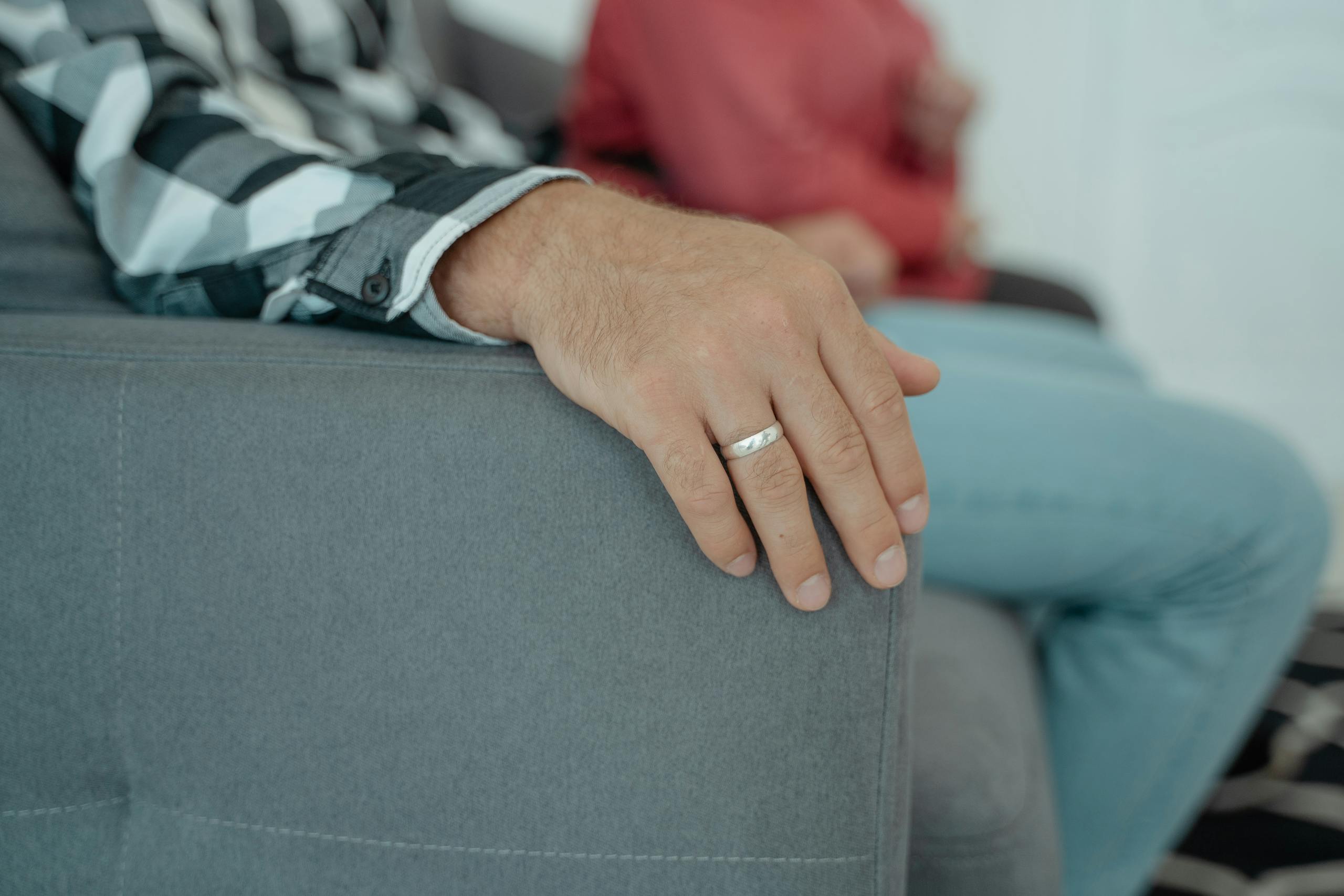
Some men avoid wedding rings because their jobs make jewelry risky. Mechanics, electricians, construction workers, factory employees, welders, truck technicians, and people around machinery may worry about a ring catching, conducting electricity, or causing injury.
That concern is not imaginary. Workplace safety guidance has long warned about jewelry hazards around moving equipment, and some men remove rings because workplace hazards can turn sentimental jewelry into a serious risk.
It Feels Uncomfortable on His Hand
A ring can feel strange to a man who has never worn jewelry before marriage. It may rub, pinch, trap sweat, feel too tight during hot weather, or become irritating after long hours of work.
Comfort sounds like a small reason until someone is thinking about it all day. If the issue is fit, weight, or material, resizing or switching to a lighter band may solve the problem without turning it into a marriage argument.
His Skin Reacts to the Metal
Some men stop wearing their wedding rings because the skin beneath them becomes red, itchy, swollen, or irritated. That can happen from trapped moisture, soap buildup, sweat, or a metal sensitivity that makes the ring feel impossible to wear.
Nickel is a common trigger in jewelry, and guidance on nickel allergy reactions notes that rings and other jewelry can cause symptoms for some people. In that case, the problem may not be commitment. It may be chemistry.
He Works in Healthcare or Food Settings

Some jobs require constant handwashing, glove use, sanitizer, and strict cleanliness habits. Nurses, doctors, food workers, caregivers, cooks, and lab staff may find rings inconvenient or be discouraged from wearing them, depending on workplace rules.
The issue is often hygiene rather than romance. Clinical safety guidance notes that healthcare workers may need to wash their hands frequently during a shift, and hand hygiene rules can make jewelry feel like one more thing to manage.
He Does Not Like What the Ring Represents
For some men, the ring is not about comfort or work. It carries emotional weight. It may feel like a public label, a loss of independence, or a symbol of pressure instead of love.
That does not automatically mean he regrets the marriage. But if the ring makes him feel trapped, controlled, or resentful, the couple may need a bigger conversation about what commitment means beyond appearances.
He Thinks Marriage Should Not Need Proof
Some men believe a wedding ring is just an object. They may argue that loyalty should be reflected in behavior, not jewelry, and that a faithful husband does not need a ring on his finger to prove he is taken.
That point can be true and still feel dismissive to a spouse. Marriage and commitment still carry social meaning in American life, and studies on marriage and cohabitation show how differently people can view commitment, security, and partnership.
He Wants to Look Single in Certain Spaces
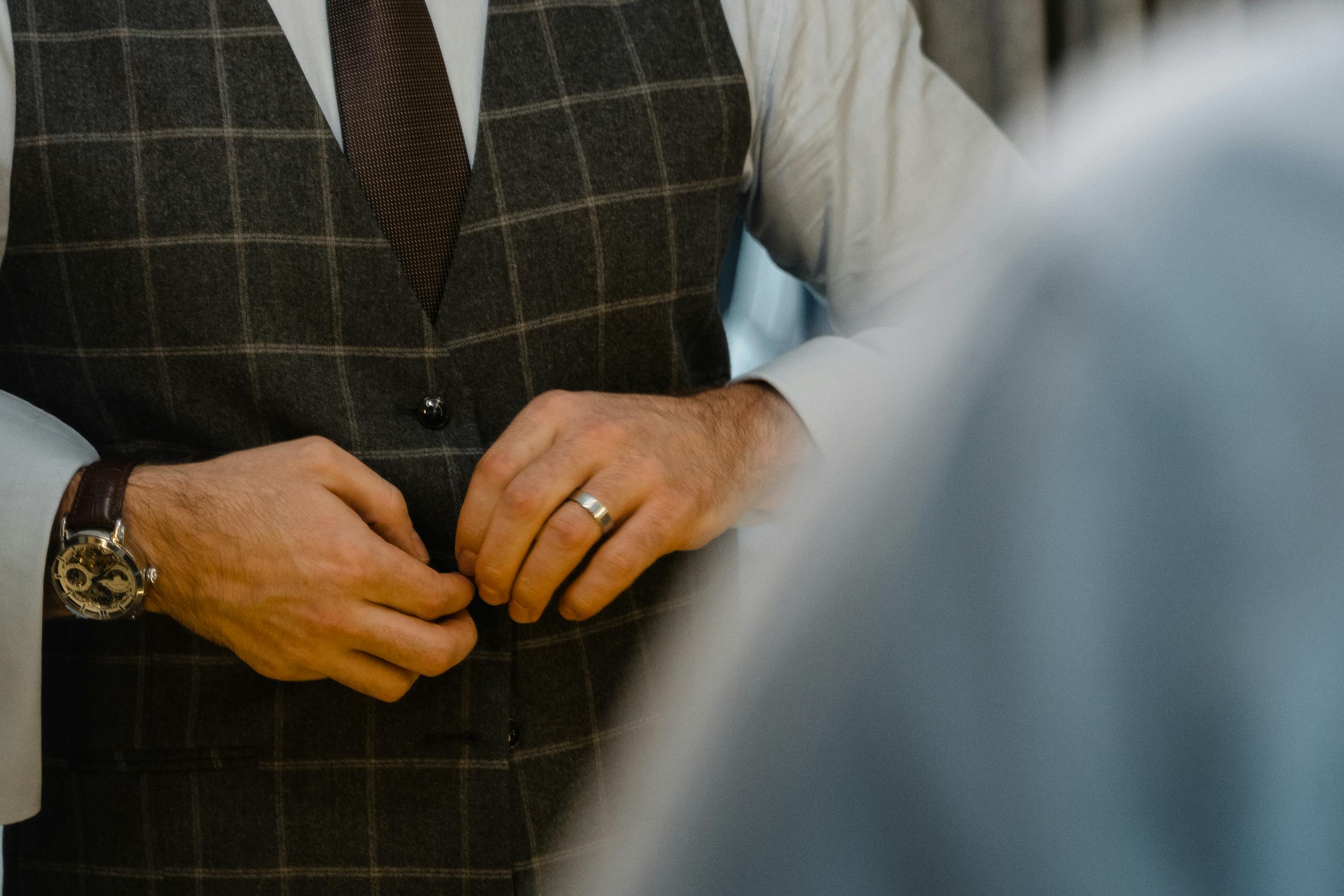
This is the reason many spouses fear most. A man may avoid his wedding ring because he enjoys attention, wants fewer questions, or likes moving through certain spaces without being visibly married.
That behavior can damage trust fast. Even if nothing physical happens, hiding the marriage in public can feel like emotional betrayal because it suggests the man wants the benefits of marriage without the visible boundary.
He Lost It and Feels Embarrassed
Some men avoid wearing a wedding ring because the original one was lost, damaged, stolen, or misplaced. Instead of admitting it clearly, they delay the conversation because they feel careless, ashamed, or afraid of the reaction.
That silence can make the situation look worse than it is. A lost ring is usually fixable. A pattern of hiding, dodging, or making excuses can turn a simple mistake into a trust problem.
Money Makes Replacing It Feel Stressful
Wedding rings can become emotionally and financially significant after loss, damage, weight changes, or style issues. A man may avoid replacing one because rent, groceries, car repairs, medical bills, or childcare already feel more urgent.
Money can create tension in a marriage even when both people are trying. Research on financial partnership patterns shows how money roles within marriage keep changing, which means even a ring replacement can become part of a larger budget conversation.
He Is Quietly Pulling Away From the Marriage

Sometimes the missing ring is not the real issue. It is one small sign among many. He stops communicating, avoids affection, hides his phone, spends less time at home, or acts irritated when his marriage asks anything of him.
In that case, the ring becomes a symptom, not the disease. Healthy couples need honesty before resentment hardens, and clear personal boundaries matter when one partner feels confused, disrespected, or emotionally shut out.