It can start with one late rent payment. Then comes the overdraft fee, the shutoff notice, the awkward call to a relative, and the quiet panic that follows you through the grocery store.
For many Americans, housing insecurity does not look dramatic at first. It looks like eating cheaper dinners, dodging unknown numbers, checking your bank app before buying gas, and pretending everything is fine at work because you still have to function.
The hardest part is how quickly normal life can turn fragile. A missed paycheck, a medical bill, a breakup, a rent hike, or a car repair can push a household from stressed to unstable before anyone outside notices.
That is why knowing the signs you may be slipping toward homelessness matters. The earlier you spot the pattern, the more time you have to ask for help, protect your rights, and make decisions before the crisis takes over.
Your Rent Is Late More Than Once

A late rent payment can happen to almost anyone. Maybe your hours were cut, your child got sick, your car needed repairs, or your paycheck arrived after the due date instead of before.
The warning sign appears when late rent becomes a pattern. If you are always borrowing, delaying, choosing which bill to ignore, or hoping the landlord gives you another week, your housing situation may already be unstable.
You Are Using Credit Cards to Cover Basic Bills
Credit cards can help in a short-term emergency, but they become dangerous when they start covering groceries, utilities, gas, rent, medication, or childcare every month. That means your income is no longer covering your real life.
The balance may not look frightening at first. But interest, late fees, minimum payments, and maxed-out cards can slowly trap you, especially when one unexpected expense could cut off the last financial cushion you still have.
You Have No Emergency Money Left
A zero-dollar safety net makes every ordinary problem feel like a disaster. A flat tire, dental bill, sick pet, broken phone, or lost shift can suddenly become the thing that threatens your housing.
Many households are living with that kind of pressure. The emergency savings gap is real for millions of adults, and when savings disappear, rent becomes much harder to protect.
Your Landlord or Property Manager Has Started Sending Notices
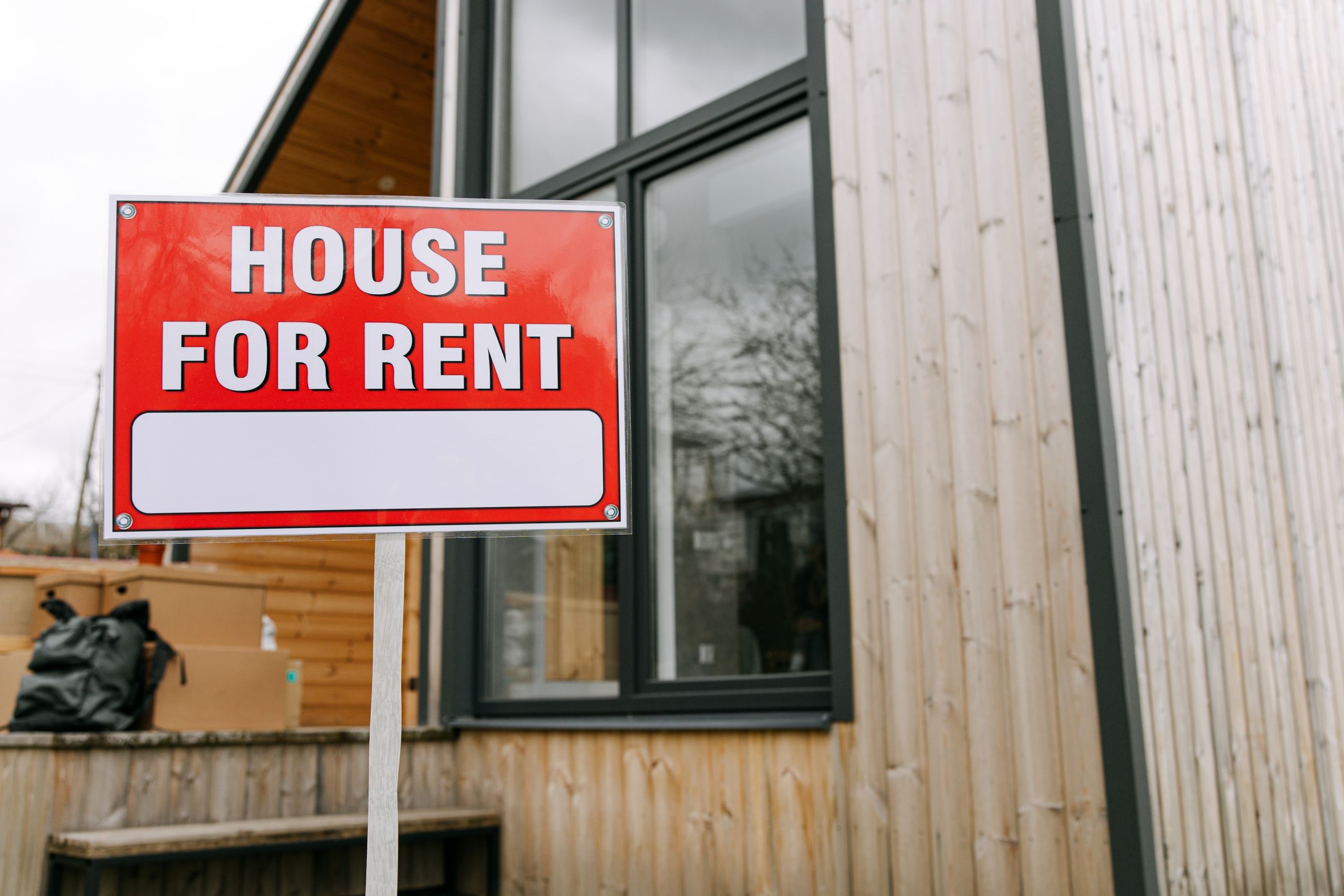
A notice on the door can make your stomach drop before you even read it. It may be a late fee warning, a lease violation, a demand for payment, a notice to quit, or a message that legal action may follow.
Do not ignore these papers because fear makes them feel impossible to face. If you are behind, start looking for rent payment help as early as possible, because waiting can shrink your options fast.
You Are Choosing Between Rent and Everything Else
When rent starts fighting groceries, medicine, utilities, insurance, and transportation, the problem is no longer just tight budgeting. It means your housing cost may be eating too much of your income.
This is one of the clearest signs of danger. The pressure is even more common now because millions of renters face a serious rent cost burden, leaving little room for mistakes, emergencies, or rising prices.
You Are Falling Behind on Utilities
A shutoff notice can be more than a utility problem. It can be a housing warning because electricity, heat, water, and gas are often tied to whether a home remains safe and legally livable.
When utilities fail, daily life becomes stressful in very physical ways. You start thinking about spoiled food, cold nights, unpaid deposits, reconnection fees, and how long you can keep pretending the situation is manageable.
You Are Relying on Friends or Family Just to Stay Afloat

There is no shame in needing help. Many people survive hard seasons because someone lets them borrow money, sleep on a couch, use a car, store belongings, or cover a bill.
The risk grows when that help becomes your main housing plan. If one argument, one exhausted relative, or one changed household rule could leave you with nowhere to go, your stability may be more fragile than it looks.
Your Job Situation Feels Unsteady
A shaky job can make housing feel like a chair with one loose leg. Reduced hours, unpredictable scheduling, unpaid leave, workplace conflict, burnout, or a possible layoff can all turn rent into a monthly gamble.
Even people who are employed can slide toward homelessness when work becomes unstable. If you are already behind and your income suddenly drops, you may need to move quickly before the damage spreads to every bill at once.
You Are Ignoring Calls, Mail, and Bank Alerts
Avoidance is a very human response to fear. When money stress becomes too loud, people stop opening envelopes, answering calls, checking balances, and logging in to accounts because each update feels like bad news.
But silence does not freeze the problem. Fees grow, deadlines pass, notices become legal actions, and options disappear, which is why avoidance can be one of the most painful signs that the crisis is gaining control.
You Have Started Thinking About Where You Could Sleep

This is the sign that many people do not say out loud. You may start wondering which friend has a couch, which relative might say yes, whether your car is safe enough, or where you could keep your belongings if things fall apart.
That thought deserves immediate attention, not shame. If your mind is already planning for losing housing, start contacting local support, legal aid, and housing assistance programs before the emergency becomes harder to reverse.
Conclusion
The signs you may be slipping toward homelessness often begin quietly. Late rent, empty savings, utility notices, unstable work, growing debt, family strain, and avoidance can all point to a housing situation that needs urgent attention.
This does not mean you have failed. It means the pressure has reached a point where silence can cost too much, and getting help early may give you more choices than waiting until eviction, shutoff, or displacement is already happening.
The strongest move is to act before panic takes over. Open the notice, make the call, ask about assistance, document everything, protect your income, and tell someone trustworthy what is happening. Housing trouble grows in secrecy, but early action can still change the ending.