Game night always starts with snacks, laughter, and someone saying, “Let’s keep it friendly.” Then Monopoly money gets personal, a Catan trade gets rejected, or one person in Codenames gives a clue so bad it feels like emotional sabotage. That is when the living room stops feeling cozy and starts feeling like a courtroom with pretzels.
Ranker’s voter based list of friendship-destroying games includes classics like Monopoly, Sorry!, Risk, Catan, Codenames, Twister, Clue, Phase 10, One Night Ultimate Werewolf, Fluxx, Cranium, and Spyfall. The list was updated in September 2025 and ranked by more than 200 voters, which feels fitting because everyone has at least one game night betrayal story.
Monopoly Makes Rent Feel Personal
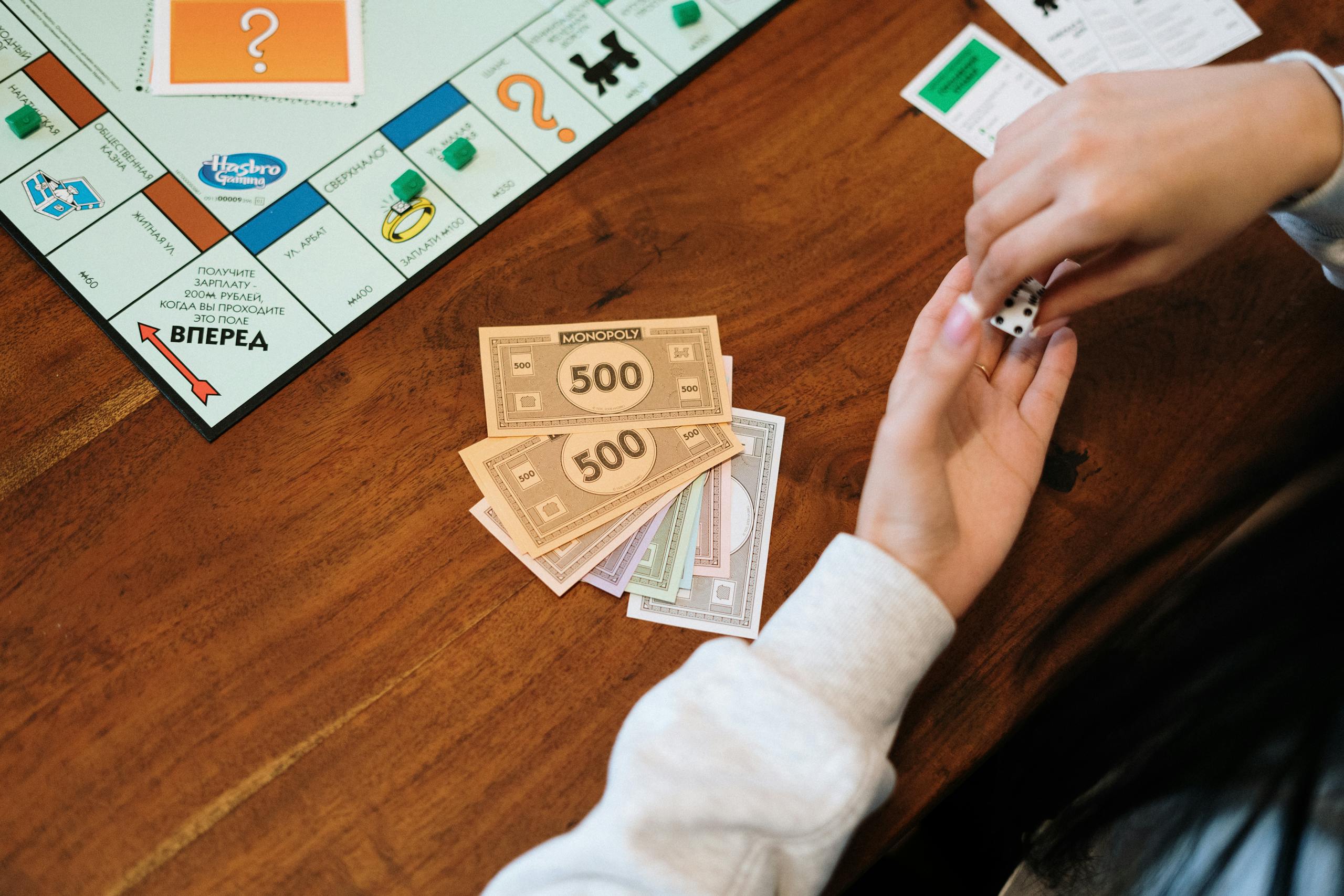
Monopoly sounds harmless until someone lands on Boardwalk with a hotel and suddenly remembers every favor you never returned. The game turns regular people into tiny landlords with plastic houses, and that alone is enough to change the room’s mood.
A friend who seemed sweet five minutes ago can become terrifying once they start collecting rent with a smile.
The real danger is the slow burn. Monopoly can drag on long enough for frustration to season every turn, especially when jail, taxes, unlucky cards, and bankruptcies keep piling up. By the end, nobody remembers who suggested playing, but everyone remembers who refused to make a fair trade.
Sorry! Is the Least Sorry Game Ever Made
Sorry! has one of the most deceptive names in board game history. The whole point is to send someone back to the start, then pretend the word “sorry” makes it polite. It doesn’t. It makes the betrayal louder.
This game is especially dangerous because it looks cute and simple. People assume it is family friendly, then discover it rewards perfectly timed cruelty. One card can erase ten minutes of progress, and the person who does it usually smiles like they just performed a magic trick.
Risk Turns Friends Into Suspicious Generals
Risk does not create tension by accident. It asks players to build armies, form alliances, invade territories, and roll dice as friendships quietly collapse across the map. Once someone breaks a deal, every future promise sounds fake.
The worst part is the length. A short betrayal hurts, but a long betrayal has time to marinate. Risk can make one bad move feel like a historic offense, especially when someone says, “It’s nothing personal,” right before attacking you from three sides.
Catan Makes Sheep Feel Like a Legal Dispute
Catan seems charming at first because there are resources, roads, settlements, and a neat little island. Then one player controls the brick, another blocks the ore, and someone refuses to trade sheep unless the price sounds like extortion. Suddenly, the table becomes a tiny economy with very big feelings.
The game is brilliant because it makes every player depend on other players they also want to beat. That creates the perfect recipe for passive aggressive bargaining. A rejected trade in Catan can feel more insulting than an ignored text.
Codenames Exposes How Badly Friends Understand Each Other
Codenames looks clever and social, but it can quickly become a test of how much your friends actually understand your brain. One person gives a one word clue, and everyone else has to guess what they meant. That sounds fun until the clue is “ocean” and your teammate somehow picks “kangaroo.”
The stress comes from shared blame. The spymaster thinks the clue was obvious, the guessers think the clue was terrible, and both sides feel personally wronged. One wrong card can lose the round, which makes every bad guess feel like a public betrayal.
Twister Makes the Room Weird Fast
Twister is not technically a board game in the classic sense, but it absolutely belongs on any list of games that can damage a peaceful gathering. It starts with laughter and colorful dots, then turns into elbows, knees, awkward balance, and someone falling on someone they barely know. The game brings people close in the most uncomfortable way possible.
The danger is not strategy. The danger is dignity. Twister creates the kind of memories people bring up years later when they want to embarrass you at dinner.
Clue Turns Everyone Into a Murder Suspect
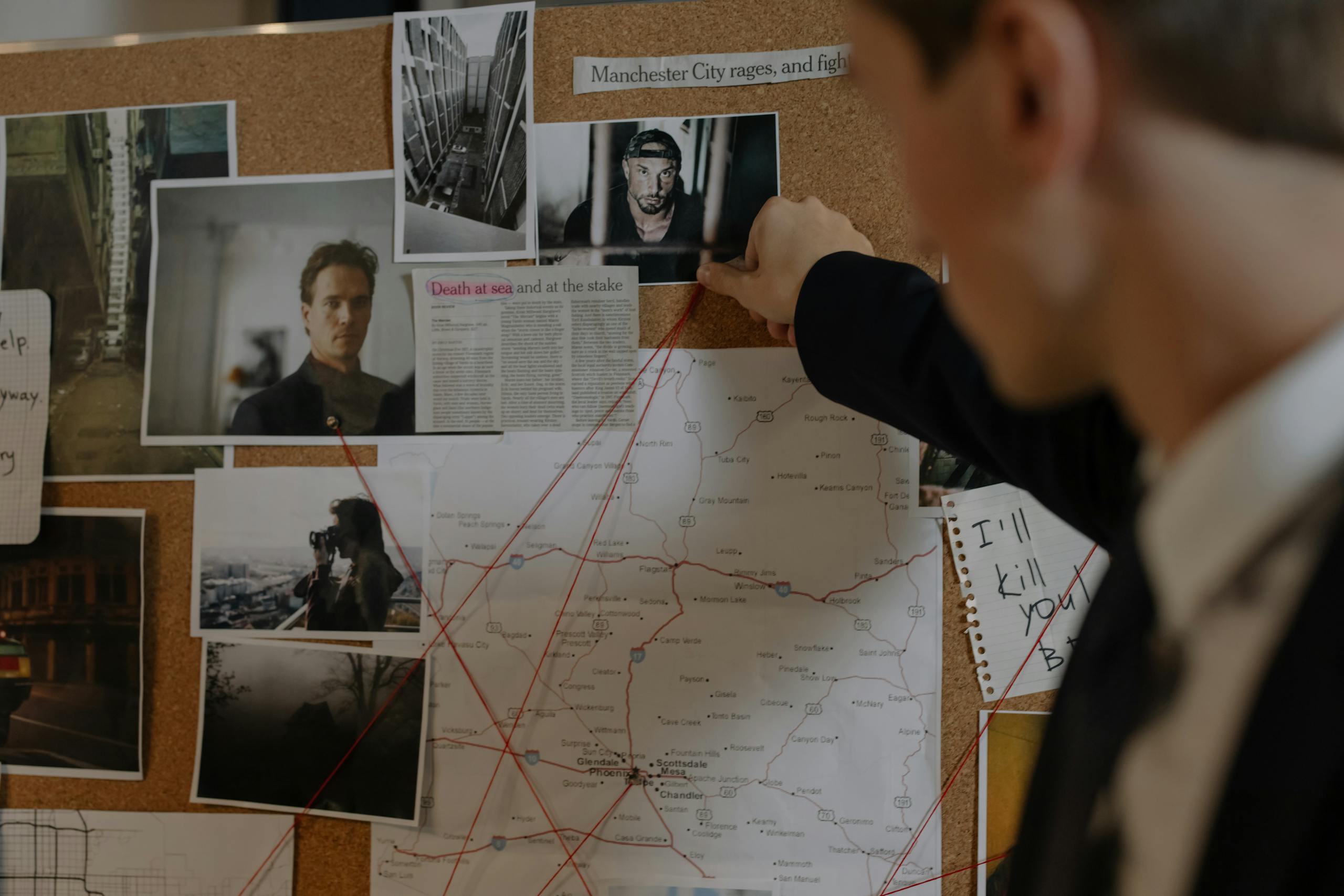
Clue has elegance, mystery, and just enough accusation to make things spicy. It asks players to solve who did it, where it happened, and which weapon was used, which gives everyone permission to point fingers dramatically. That is fun until someone starts acting a little too pleased about accusing you with the candlestick.
This game ruins friendships in a quieter way. It rewards secrecy, deduction, and carefully hidden information. The friend who seems confused may actually be three steps ahead, and that realization can sting.
Phase 10 Punishes Hope
Phase 10 looks simple because it is just cards, phases, and familiar rummy style combinations. Then you get stuck on one phase for what feels like half your adult life. Everyone else moves forward, and you sit there holding cards that almost help.
The emotional cruelty comes from near success. You can be one card away from finally advancing, and then someone goes out before your turn. That kind of timing does not feel random. It feels personal, even when it isn’t.
One Night Ultimate Werewolf Makes Lying the Main Event
One Night Ultimate Werewolf is built for suspicion. Some players are villagers, some may be werewolves, and everyone spends the round trying to figure out who is lying. That sounds playful until your most trusted friend delivers a flawless fake story and sends the whole table after you.
The game moves fast, which makes it even more chaotic. People accuse, defend, bluff, panic, and change their stories in real time. By the end, the winner is usually proud, and everyone else is quietly updating their mental list of people they should never trust again.
Fluxx Changes the Rules Until Everyone Snaps

Fluxx begins gently with a simple idea. Draw one card, play one card. Then the rules start changing, the goal changes, the number of cards changes, and your plan turns into confetti.
That is what makes Fluxx so dangerous. It does not just let players beat each other. It lets the game itself become unstable. One person can change the winning condition right before someone else wins, and that is the kind of move that makes the table go silent.
Conclusion
The funniest thing about friendship destroying games is that people keep playing them. Nobody opens Monopoly, Risk, Catan, or Werewolf expecting a calm evening of emotional stability. We play because the drama is part of the fun.
Still, some games should come with a warning label. Bring snacks, keep the rules clear, and remember that the person blocking your road in Catan may still love you. Probably.