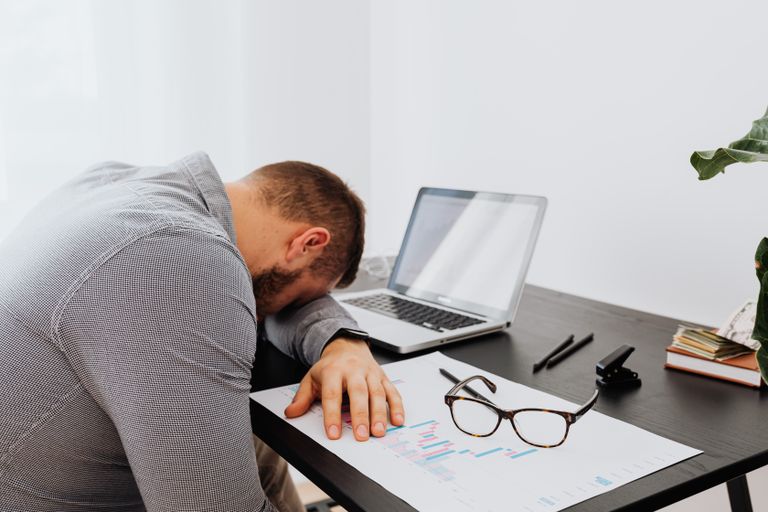
At first, nothing looks wrong. The lawns are clipped, the mailboxes stand upright, and the street still has that familiar American calm that makes people feel they have chosen the right place. Then life on the block starts to feel different.
A car flies past while kids wait for the school bus. A dog barks through another work call. The streetlight outside flickers for weeks. Trash sits out too long, and the neighbor who used to wave now keeps the garage door closed.
These are the neighborhood problems that lower the quality of life without making a dramatic entrance. They do not always ruin a community overnight. They slowly make home feel noisier, less safe, more expensive, and less comforting than it should be.
Noise
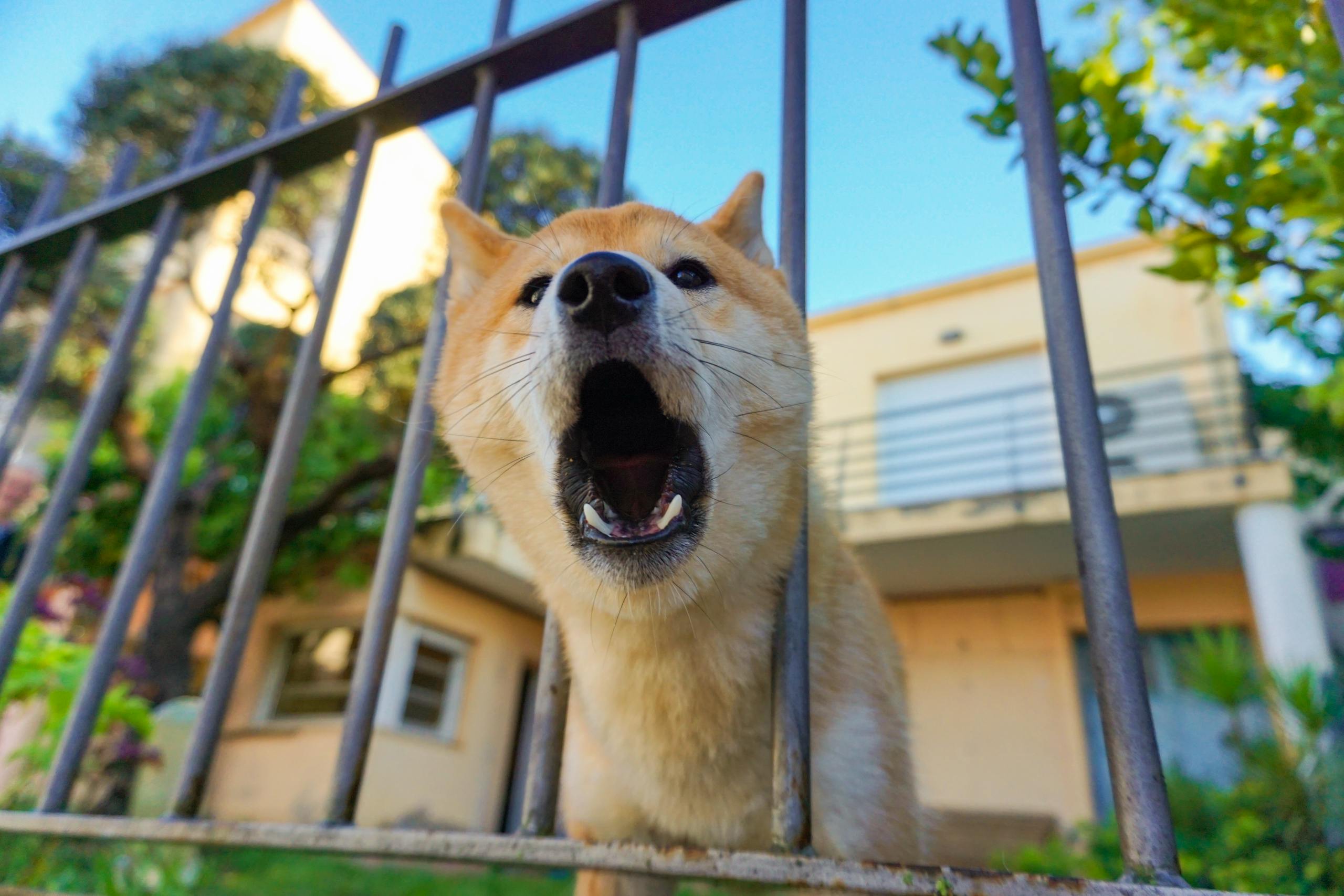
Noise is easy to dismiss until it starts shaping the day. Barking dogs, loud engines, late parties, leaf blowers, nearby construction, and booming music can turn a home into a place where people are always waiting for the next interruption.
The real damage is often quiet. Constant sound can affect sleep, stress, focus, and mood, especially for people working from home, raising young kids, or trying to rest after long shifts. Research on how noise affects health shows why a loud neighborhood can feel exhausting even when nothing visibly dangerous is happening.
Speeding Cars
A street does not need heavy traffic to feel unsafe. One speeding driver can change the mood of an entire block. Parents start walking closer to the curb. Dog walkers tighten the leash. Older residents wait longer before crossing.
This is one of the neighborhood problems that lowers the quality of life because they rob people of their ordinary freedom. A street should feel like part of the community, not a threat cutting through it. National pedestrian crash risks show why reckless driving is not just an annoyance. It is a daily safety issue for people simply trying to walk in their own neighborhoods.
Poor Lighting
A poorly lit neighborhood can feel completely different at night. The same sidewalk that feels harmless at noon may feel tense after dark when streetlights are broken, dim, or spaced too far apart. People start scanning shadows instead of enjoying the walk.
Bad lighting also changes habits. Residents may stop walking after dinner, avoid checking the mailbox late at night, or drive short distances they once walked. A community loses a little life when the sunset makes people retreat indoors sooner than they’d like.
Trash and Neglect
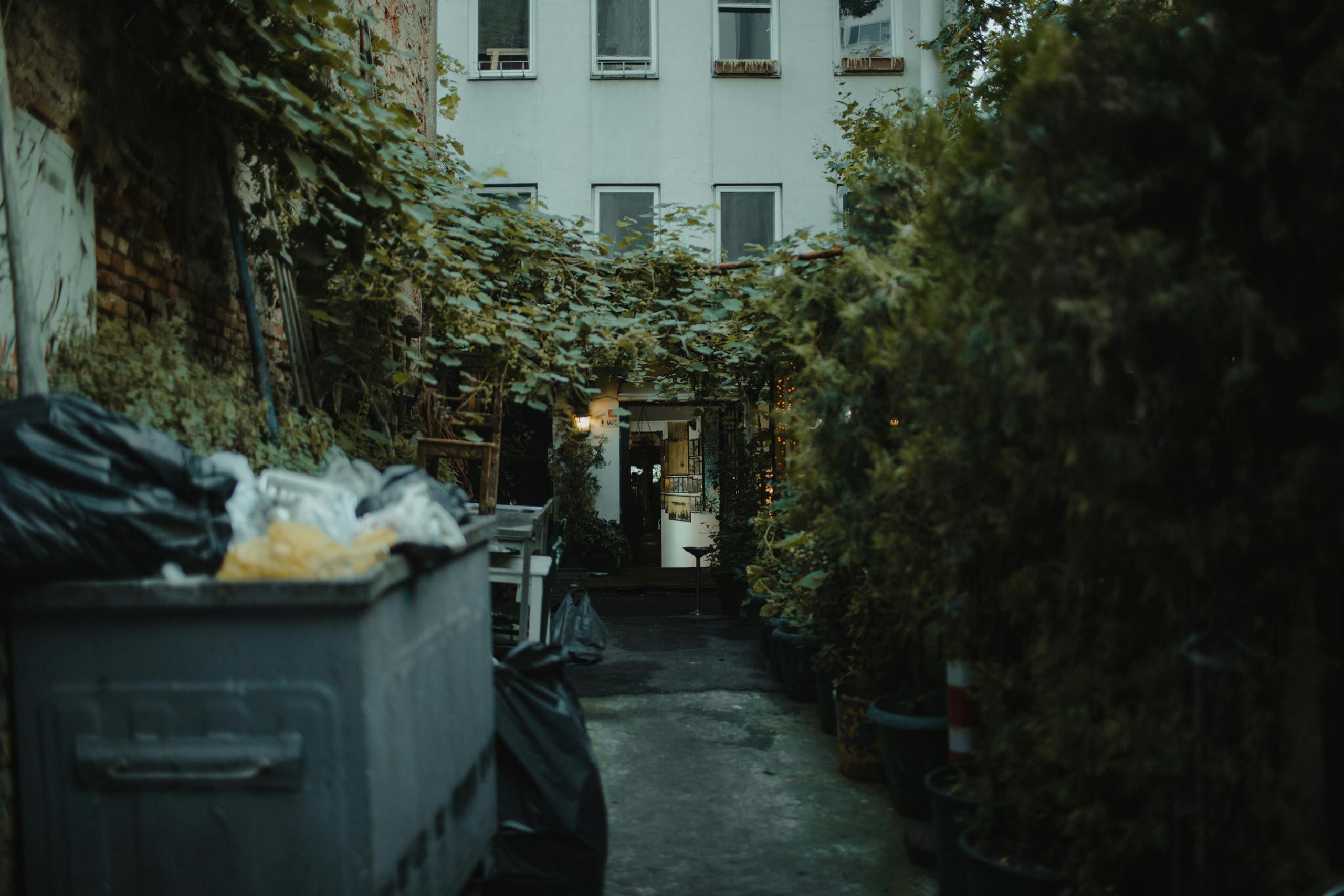
Trash problems rarely begin with a disaster. They begin with overflowing bins, old furniture left by the curb, fast-food wrappers in the grass, and yards that stay messy week after week. Soon, the street feels less cared for.
That visual decline can affect pride. People may still love their home, but they start to feel embarrassed by the surrounding block. Neglect signals that standards are slipping, and once residents believe nobody cares, it becomes harder to motivate anyone to do so.
Missing Sidewalks
A neighborhood without good sidewalks quietly limits daily life. Parents pushing strollers may have to walk in the street. Kids may lose the freedom to visit friends safely. Older adults may stop walking because the route feels uneven, exposed, or unsafe.
Walkability is not just about fitness. It affects connection, independence, and whether people feel part of the place they live. Communities with well-connected sidewalks make it easier for residents to move, meet, and stay active without turning every short trip into a car ride.
Flooding and Drainage
A little standing water may not seem serious at first. Then storms keep leaving puddles near driveways, water creeps toward basements, and lawns stay soggy long after the rain stops. Suddenly, weather forecasts feel personal.
Drainage problems can lead to repair costs, mold concerns, damaged landscaping, and constant frustration. Practical guidance on urban flooding shows why recurring water problems should not be ignored. A neighborhood that cannot handle rain can make every storm feel like a bill waiting to happen.
Weak Neighbor Connections

A neighborhood can be crowded and still feel lonely. People pull into garages, close the door, and disappear. Packages sit outside, unattended. New families move in without introductions. Small talk fades until everyone becomes a stranger with a shared zip code.
That loss matters more than many people admit. Knowing neighbors can make people feel safer, more supported, and more rooted. Surveys on how Americans know their neighbors suggest that many people know only some of the people around them, which can make the community feel thinner than it looks.
Empty Homes
Vacant homes can quietly alter a block’s character. The grass grows too high. Mail piles up. Lights stay off. Windows look neglected. Even when nothing bad happens, the property starts creating worry.
One empty home can make nearby residents question where the neighborhood is headed. Buyers notice. Longtime homeowners notice. Kids notice. A house without care can feel like a warning sign, especially in places where property values and safety already weigh heavily on families.
Parking Battles
Parking problems sound small until they become part of daily tension. One household has too many cars. Guests block driveways. Apartment residents compete for limited spaces. Someone leaves a note, and suddenly the whole block feels colder.
The deeper issue is not just space. It is resentment. People start watching each other, judging each other, and keeping mental records of every parking offense. A neighborhood feels less like a community when the curb becomes a battlefield.
Poorly Managed Rentals
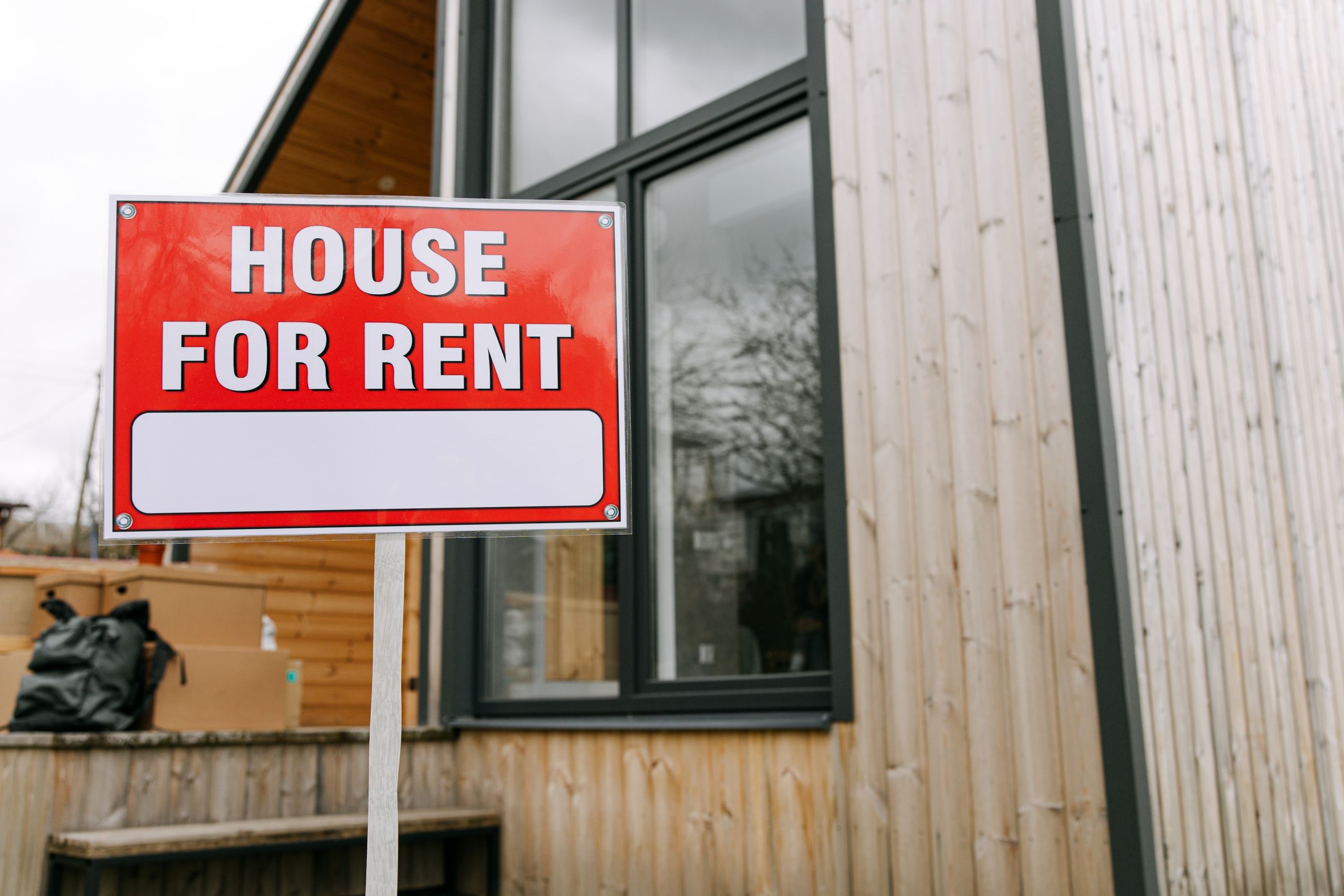
Rental homes are not the problem. Poor management is. A well-cared-for rental can fit beautifully into any neighborhood, but a neglected one can create noise, trash, parking problems, broken fences, and constant turnover.
Residents get frustrated when they do not know who to call or when absentee owners ignore repeated complaints. The people living nearby are left dealing with the daily fallout. Stability drops when accountability disappears, and the entire block can feel less settled because of a single poorly managed property.
Conclusion
The most frustrating neighborhood problems are often the ones people are told to tolerate. Noise is called normal. Speeding is called traffic. Trash is called temporary. Poor lighting, flooding, parking tensions, and weak community ties are treated as minor annoyances until they become the mood of the whole block.
Home should not feel like a place people merely survive. It should feel calm, safe, clean, and connected enough for people to exhale when they turn onto their street.
A neighborhood does not lose its comfort all at once. It loses it through repeated neglect, small frustrations, and problems everyone keeps hoping someone else will fix. The good news is that quality of life can improve the same way it declines, one visible repair, one safer street, one cleaner yard, and one neighborly conversation at a time.