Cucumbers can look like the easiest crop in the summer garden until the wrong neighbors start causing trouble. One bad planting choice can crowd the vines, invite pests, steal moisture, or leave you with weak growth and fewer crisp cucumbers than expected. The problem is not always obvious at first because many plants seem harmless when they are young.
Once the weather warms up, cucumber vines move fast. They need sun, water, airflow, rich soil, and enough space to stretch without fighting for every inch. If you want a clean, productive garden bed, these are the plants you should keep away from cucumbers.
Potatoes Can Rob Cucumbers of Water and Nutrients
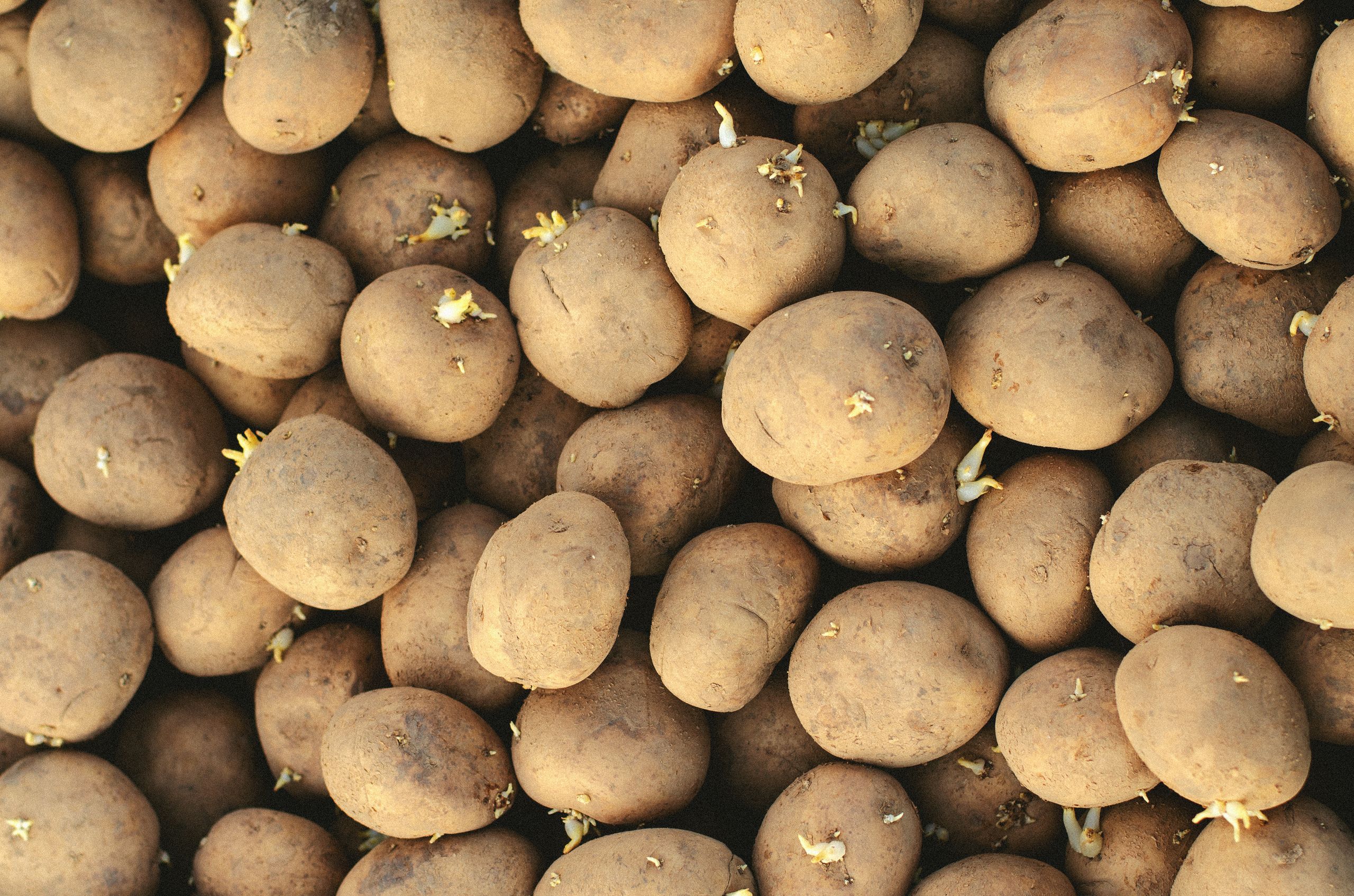
Potatoes and cucumbers are not friendly garden neighbors because both crops want a lot from the soil. Potatoes need steady moisture and plenty of nutrients to form strong tubers underground. Cucumbers also need consistent watering and rich soil to support vines, flowers, and fruit. When they sit too close together, the garden becomes a quiet competition zone.
The trouble gets worse because potatoes can bring disease pressure into the bed. A crowded vegetable patch with heavy feeding crops can become harder to manage, especially when leaves stay damp and airflow drops. Cucumbers already dislike stress, and stressed vines often produce fewer fruits or bitter cucumbers. It is much smarter to place potatoes in a separate bed where they can grow without stealing from your cucumber crop.
Tomatoes Can Create a Crowded and Disease-Prone Bed
Tomatoes and cucumbers often end up together because gardeners think of them as classic summer crops. That logic sounds fair, but it can backfire quickly. Tomato plants grow tall, bushy, and hungry, while cucumbers spread through the bed or climb a trellis with equal ambition. If both plants are packed into the same space, sunlight and airflow become harder to manage.
Disease is another reason to separate them. Both crops can struggle with certain viruses and leaf problems, especially when insects move from plant to plant. Once a crowded bed starts looking sick, it can be hard to tell where the trouble began. Give tomatoes their own strong row or cage setup, and let cucumbers enjoy a cleaner, more open growing space.
Squash Invites the Same Pests Cucumbers Hate

Squash might seem like a natural cucumber companion because both plants enjoy warm weather and similar soil. That is exactly the problem. Squash and cucumbers belong to the same general crop family, so they attract many of the same pests. Cucumber beetles, squash bugs, and mildew issues can move through a mixed cucurbit patch like guests at an open buffet.
The space problem is just as annoying. Squash leaves grow wide and bold, often shading smaller cucumber vines or tangling with them across the soil. If you grow zucchini, yellow squash, or winter squash, keep them away from cucumbers instead of turning one bed into a jungle. Your harvest will be easier to inspect, easier to protect, and much easier to pick.
Pumpkins Can Take Over the Whole Cucumber Area
Pumpkins are charming until they start acting like they own the garden. Their vines can run across beds, paths, fences, and nearby crops with surprising speed. Cucumbers need room to climb or trail, but pumpkins can smother that space before you realize what happened. A small pumpkin plant in June can become a sprawling bully by midsummer.
Pumpkins also share many cucumber pest problems. When you group too many related vines together, insects and diseases have less distance to travel. This can turn one small issue into a whole garden headache. If you want pumpkins, plant them at the edge of the garden or in their own patch where their vines can roam without crushing your cucumber plants.
Melons Crowd Cucumbers and Attract Similar Trouble
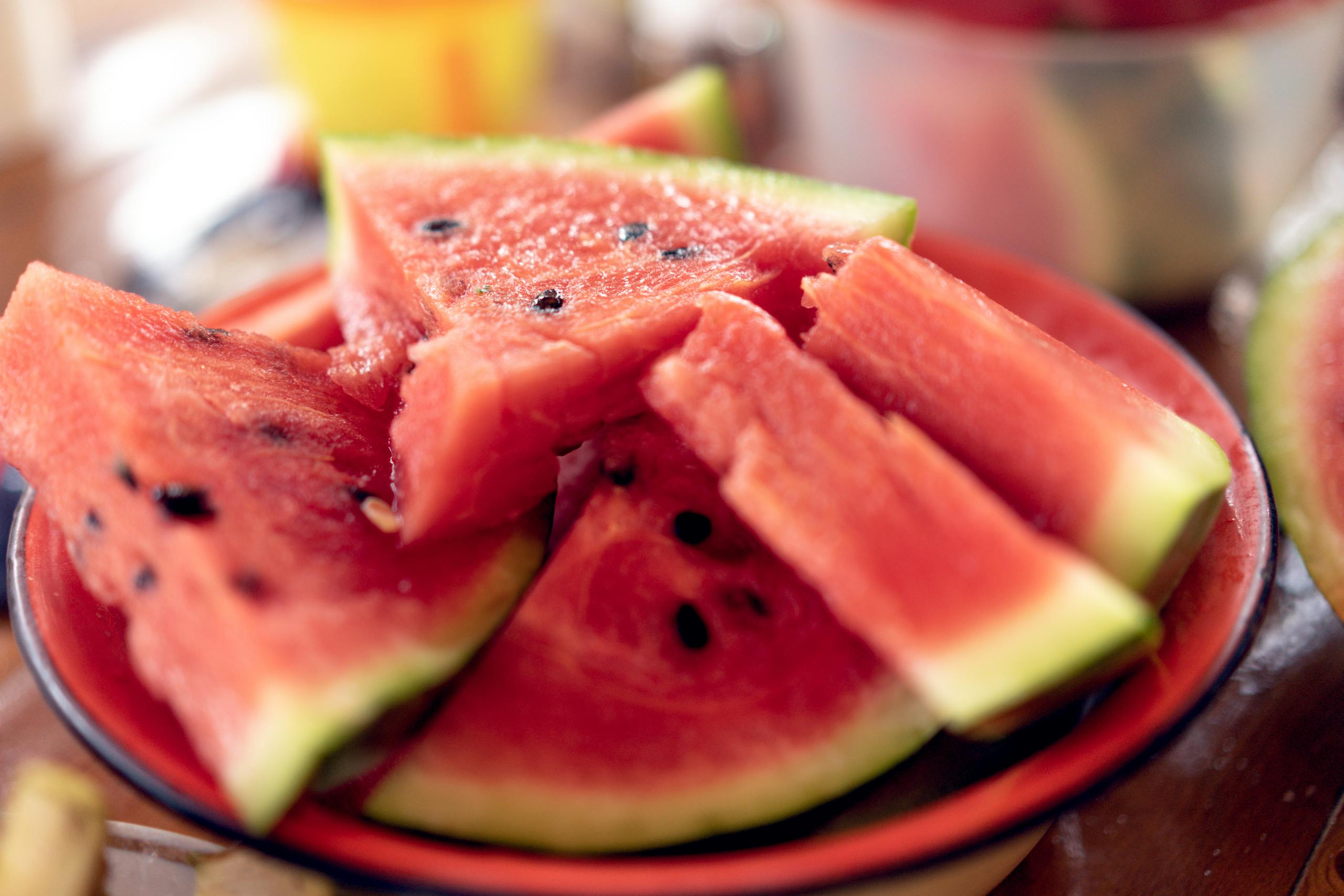
Melons and cucumbers do not ruin each other by changing flavor, but they still should not be planted too close together. The real issue is space. Melons spread wide, cucumbers spread fast, and both crops need enough sunlight to produce well. When their vines overlap, the bed becomes difficult to water, prune, inspect, and harvest.
They also attract similar pests and can face similar disease problems. A dense melon and cucumber patch traps humidity around the leaves, which can encourage mildew and other leaf issues. If you are growing cantaloupe, watermelon, or honeydew, give them a separate sunny area. Your cucumbers will perform better when they are not tangled in another vine crop’s territory.
Fennel Can Suppress Nearby Growth
Fennel is pretty, fragrant, and useful in the kitchen, but it has a reputation for being a difficult neighbor. It can release natural compounds through its roots that may interfere with the growth of nearby plants. Cucumbers are too valuable to risk in a bed where their roots may struggle from the start. A weak cucumber seedling rarely catches up once summer heat arrives.
The best place for fennel is away from the main vegetable bed. Grow it in a container, a separate herb patch, or a border where it can attract beneficial insects without bothering your cucumbers. Fennel can still earn a place in the garden, but it should not sit next to a crop that needs steady, vigorous growth.
Brassicas Compete for Moisture and Space

Broccoli, cabbage, cauliflower, kale, and Brussels sprouts are useful crops, but they are not ideal neighbors for cucumbers. Brassicas need fertile soil and steady moisture, which puts them in direct competition with cucumber vines. They also need room to form strong leaves or heads, and cucumber vines can crawl into that space quickly. The result can be a crowded bed where both crops look tired.
Timing also works against this pairing. Many brassicas prefer cooler weather, while cucumbers love summer warmth. When gardeners force them into the same bed, one crop often gets the wrong conditions. Keep brassicas in a cool-season section and let cucumbers dominate their warm-season space with fewer rivals.
Jerusalem Artichokes Can Turn Into a Garden Bully
Jerusalem artichokes, also called sunchokes, may sound harmless, but they can spread aggressively underground. Their tubers can come back again and again, even when you think you removed them. That makes them a poor match for cucumbers, which need a clean, manageable bed with shallow roots and steady moisture. A spreading sunchoke patch can quickly become a long-term headache.
They also grow tall and can shade nearby crops. Cucumbers need strong sunlight to flower and fruit well, so anything that blocks light or steals root space can reduce the harvest. If you grow Jerusalem artichokes, put them in a dedicated container bed. Cucumbers should not have to fight a plant that refuses to stay in its lane.
Mint Spreads Too Aggressively Around Cucumber Roots

Mint smells wonderful, but it behaves like a garden invader when planted directly in the ground. It spreads through underground runners and can move far beyond the spot where you first placed it. That makes it a terrible neighbor for cucumbers, especially in a rich, moist bed where mint can grow even faster. Before long, it can crowd the soil and compete with cucumber roots.
Cucumbers need open space around their base for watering, feeding, and airflow. Mint makes that harder by forming thick patches that are difficult to remove once cucumber vines cover the bed. If you love mint, grow it in a pot near the garden path. That way, you still get fresh leaves for tea and recipes without letting it bully your cucumbers.
Conclusion
Cucumbers reward gardeners who give them space, sun, steady water, and the right neighbors. The wrong plants can turn a promising bed into a crowded, pest-prone, moisture-hungry mess. Potatoes, tomatoes, squash, pumpkins, melons, fennel, mint, brassicas, and Jerusalem artichokes all create problems in different ways.
A smarter cucumber bed is simple. Keep aggressive spreaders away, separate crops that attract the same pests, and avoid plants that compete heavily for water and nutrients. Do that, and your cucumbers have a much better chance of growing crisp, clean, and productive all season.