It is shocking how everyday foods sitting on our shelves quietly put our hearts at risk. What feels like comfort or convenience can carry hidden dangers that build over time, silently impacting cholesterol and overall cardiovascular health.
Americans continue to indulge in these staples, unaware of the long-term consequences they may be facing. We will explore ten alarming foods you may be consuming regularly and explain why they are hazardous.
Processed Meats

Bacon, sausages, and deli meats are classic breakfast favorites, but their high saturated fat content makes them notorious cholesterol culprits. Frequent consumption can contribute to arterial plaque buildup, increasing the risk of heart complications.
These products often contain preservatives and added salts that exacerbate cardiovascular stress. Understanding how processed meats affect your heart can help guide healthier substitutions without sacrificing flavor. The convenience of pre-packaged meats encourages overconsumption in everyday meals.
Even a simple sandwich can quietly add unhealthy fats that strain the cardiovascular system. Many of these products are consumed daily in lunchboxes, office meals, and fast-food orders, making their impact cumulative. Choosing lean proteins such as chicken breast or plant-based alternatives provides similar convenience without the silent heart damage.
Fried Fast Foods
French fries, fried chicken, and other deep-fried items are undeniably satisfying, yet the oils used in frying are packed with trans fats. These fats interfere with cholesterol balance, raising LDL and lowering HDL, which is dangerous for the heart. The high-calorie density of fried fast foods makes them easy to overconsume, compounding their impact on cardiovascular health.
Swapping frying for baking or air frying can dramatically reduce the risks without losing the crispy appeal. Beyond trans fats, fried fast foods are often loaded with added salt and flavor enhancers that further stress the cardiovascular system.
The allure of convenience makes these items a regular part of many Americans’ diets. Their routine consumption reinforces poor eating habits and elevates cholesterol silently over time. Simple swaps, like oven-baked fries or grilled chicken, can satisfy cravings while protecting heart health.
Full-Fat Dairy Products

Whole milk, cheese, and butter are staples in many American kitchens, yet their saturated fat levels can spike cholesterol levels. Frequent intake of these items encourages the body to produce more harmful LDL cholesterol, which can restrict blood flow over time. Choosing lower-fat or plant-based alternatives can offer the same creamy textures while protecting heart health.
Being mindful of portion sizes also reduces the cumulative effect these dairy items have on cholesterol. Cheese, in particular, is often added liberally to sandwiches, pastas, and snacks, hiding unhealthy fats in familiar dishes.
Buttered toast, sauces, and creamy soups add extra saturated fats that pile up faster than most people realize. Replacing traditional dairy with almond milk, oat-based spreads, or moderate portions can maintain flavor while lowering cardiovascular risk. Awareness of the fat content in everyday dairy is key to preserving long-term heart health.
Packaged Snack Foods
Chips, crackers, and sugary cereals dominate snack aisles, tempting both children and adults alike. These processed snacks often contain partially hydrogenated oils, sugar, and salt, which collectively strain cholesterol levels and cardiovascular systems. Snacking mindlessly on these products makes it easy to exceed daily limits for unhealthy fats and sodium.
Opting for whole-food snacks such as nuts, fruit, or air-popped popcorn can satisfy cravings without endangering heart health. Many packaged snacks are designed to be addictive with combinations of salt, sugar, and fat. This encourages repeated snacking and habitual consumption, making cholesterol management difficult.
Even small portions consumed multiple times a day accumulate unhealthy fats and stress the cardiovascular system. Preparing simple snack packs with fresh vegetables, seeds, or yogurt can replace processed options while supporting healthy cholesterol levels.
Baked Goods

Pastries, donuts, and cakes are celebrated treats, yet they harbor hidden trans fats and refined sugars. These ingredients raise cholesterol and can trigger spikes in blood sugar, further stressing the cardiovascular system. Even occasional indulgence can add up when these items are part of daily routines or office culture.
Exploring homemade or lower-fat alternatives allows indulgence with fewer consequences for cholesterol management. Baked goods are also often served during social gatherings, creating a cycle of overconsumption.
Their appealing textures and flavors mask the unhealthy ingredients that slowly affect heart health. Over time, a daily pastry or morning donut can accumulate enough harmful fats to significantly increase cardiovascular risk. Simple baking swaps, like using applesauce or whole-grain flour, can satisfy cravings without sabotaging cholesterol levels.
Frozen Convenience Meals
Frozen pizzas, microwave dinners, and ready-to-heat entrees are a solution for busy schedules, yet their cholesterol impact is alarming. They often combine processed meats, cheese, and refined oils that increase LDL cholesterol and reduce heart efficiency. The convenience of these meals comes at the cost of cardiovascular strain that builds quietly over the years.
Preparing simple, fresh meals ahead of time can protect heart health while keeping life manageable. Frozen meals are heavily marketed as quick and easy sources of nutrition, but many contain hidden fats and salts.
Overreliance on these items reduces opportunities to include heart-healthy ingredients like vegetables and whole grains. Their ready-to-eat appeal makes it easy to ignore the cumulative health effects. Preparing homemade options and freezing portions can preserve convenience while safeguarding cholesterol levels.
Sweetened Beverages

Sodas, energy drinks, and sweetened teas are consumed by millions throughout the day, yet they contribute to weight gain and cholesterol imbalance. The high sugar content leads to increased triglycerides, which are linked to cardiovascular disease. Even beverages labeled low-calorie or diet may carry additives that disrupt metabolic processes and indirectly affect cholesterol levels.
Reducing sugary drink consumption and hydrating with water or unsweetened alternatives provides immediate relief for heart stress. Beyond sugar, sweetened drinks often create a false sense of hydration, encouraging overconsumption of other calorie-dense foods.
These beverages are commonly paired with fast foods or snacks that further worsen cholesterol profiles. Cutting back on soda and energy drinks can significantly reduce the strain on the cardiovascular system. Opting for sparkling water or herbal teas provides variety without compromising heart health.
Refined Grains
White bread, pasta, and rice are often considered essential staples, yet they can be surprisingly harmful to cholesterol levels. Refining removes fiber and nutrients that help naturally manage cholesterol, making the body more prone to spikes in harmful fats. Overconsumption of refined grains can also lead to weight gain, further exacerbating cardiovascular risk.
Substituting whole grains such as oats, quinoa, and brown rice can stabilize cholesterol while maintaining energy levels throughout the day.
Refined grains also increase insulin resistance when consumed in excess, indirectly affecting cholesterol management. Many American meals combine refined grains with high-fat toppings, which can compound heart risk. Switching to whole-grain alternatives adds fiber and nutrients while minimizing LDL cholesterol spikes. Simple swaps in daily meals can make a significant difference in long-term cardiovascular health.
Ice Cream and Frozen Desserts
Ice cream is a classic indulgence, but the saturated fat and added sugars combine to create a serious threat to cholesterol management. Regular consumption increases LDL cholesterol and can encourage unhealthy fat deposition in arteries.
Portion control is rarely observed with frozen desserts, which means risks escalate quickly for those who indulge daily. Exploring frozen yogurt, sorbet, or fruit-based alternatives can satisfy cravings without sabotaging heart health.
Even small daily servings of ice cream contribute to cumulative cholesterol damage over time. Many frozen treats are loaded with hidden fats and syrups that go unnoticed in casual indulgence. Their sweet flavors and creamy textures make them particularly difficult to resist consistently. Choosing alternative desserts with natural ingredients can satisfy cravings while reducing heart risk.
Margarine and Spreads
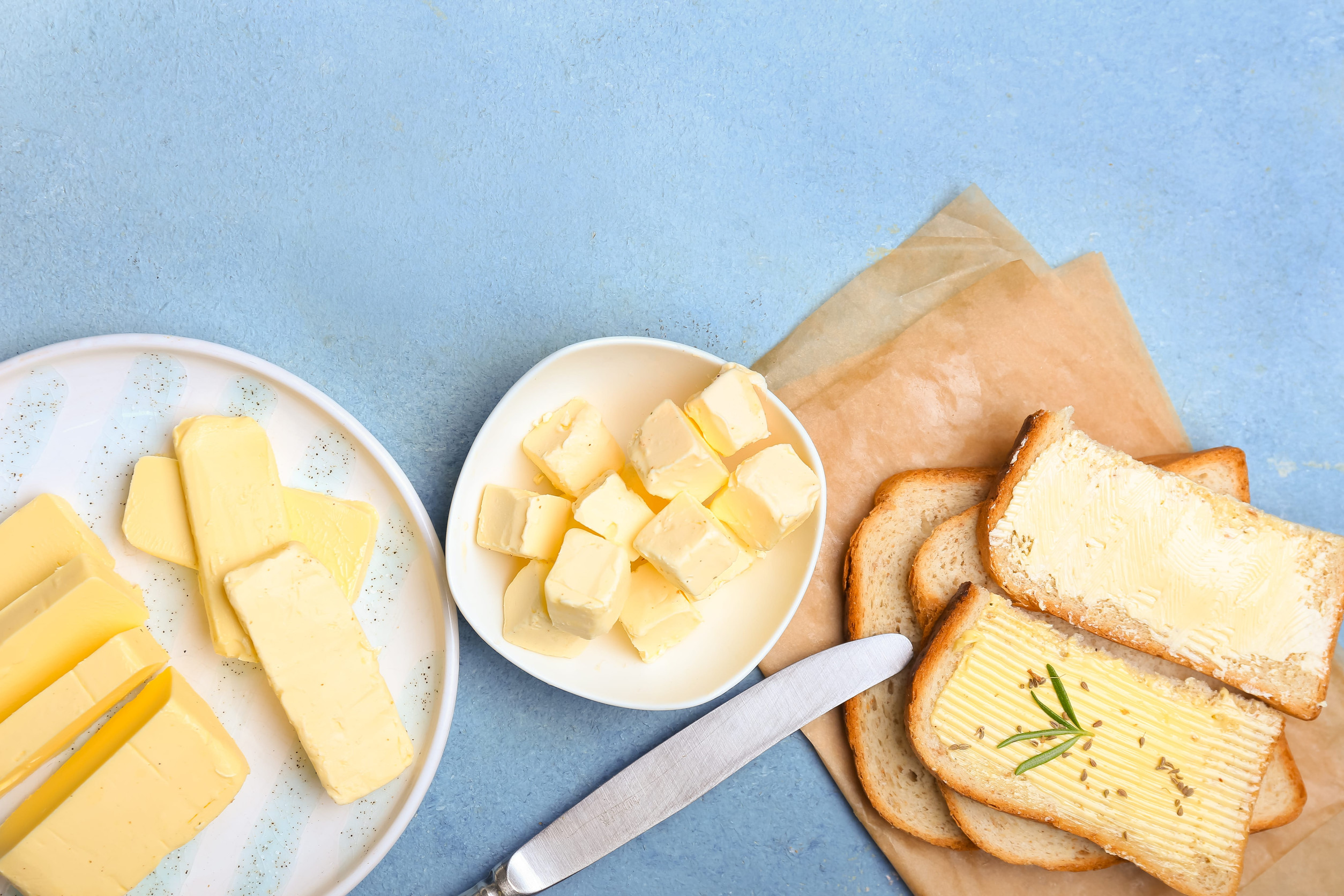
Many Americans have turned to margarine as a supposedly healthier alternative to butter, yet some varieties contain trans fats that are worse for cholesterol than natural butter. Regular use of these spreads increases harmful LDL while reducing protective HDL cholesterol.
Even small daily amounts can accumulate over time, posing serious cardiovascular concerns. Choosing spreads made from natural oils like olive or avocado offers similar taste benefits with far less danger to the heart.
Some margarine products also contain additives and stabilizers that interfere with cholesterol metabolism. Their widespread use in cooking, baking, and toasting amplifies their long-term impact. Simple swaps to plant-based oils provide flavor and function without risking heart health. Awareness and careful selection are critical to avoid the hidden dangers lurking in everyday spreads.
Conclusion
The ten staples outlined here reveal how common foods can quietly undermine heart health. Making small adjustments, from swapping fried meals for baked versions to choosing whole grains and natural spreads, can drastically reduce cholesterol risk.
Being intentional about dietary choices empowers Americans to reclaim cardiovascular health while still enjoying familiar flavors. Understanding what goes on the plate is the first step toward sustainable heart protection and long-term well-being.