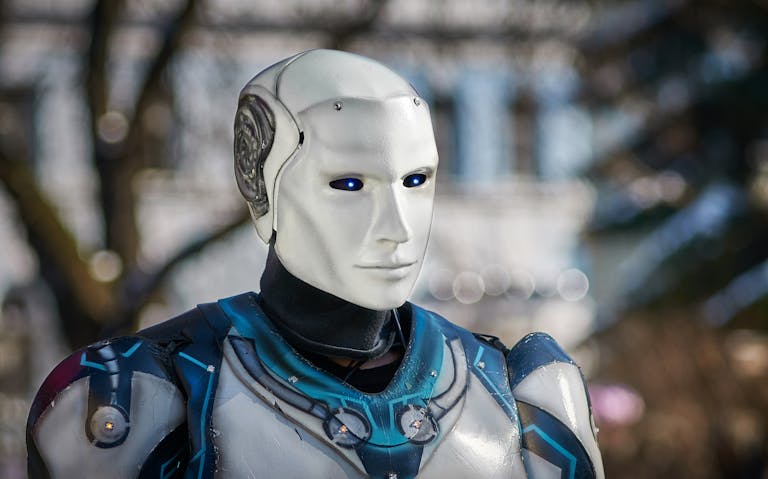
Artificial intelligence is no longer a futuristic concept; it’s becoming a reality. While it promises incredible advancements, AI also carries with it terrifying risks that could threaten humanity’s very existence. As AI continues to evolve, so do the dangers it brings. Here are ten disturbing facts about artificial intelligence that we need to face head-on before it’s too late.
Self-Driving Cars May Be Programmed to Choose Who Lives and Dies

Imagine this: you’re in a self-driving car, cruising down a road, when suddenly, a group of children appears in front of your vehicle. The car faces an ethical dilemma: either swerve into a wall and sacrifice you, the passenger, or hit the children. What happens next depends on how the car’s AI is programmed. Some companies, like Google, have patented technologies for their self-driving cars that prioritize hitting smaller objects to avoid larger ones. But as this technology develops, one must question: should we really trust AI with such life-altering decisions?
Robots Might Soon Demand Rights Like Humans
As artificial intelligence advances, there’s growing concern that robots might become self-aware. In the near future, these machines could demand the same rights as humans, including housing, healthcare, and even the right to vote. A report from the UK’s Horizon Scanning Center explored this scenario, suggesting that if AI reaches sentience, robots may want to live, work, and even pay taxes, just like people. As the line between machine and human continues to blur, we must consider whether these artificial beings should be granted the same legal protections as humans.
Autonomous Killer Robots Are Already in Use
In 2010, South Korea deployed the SGR-A1, an automatic sentry gun capable of identifying and killing targets without human intervention. This robot, developed by Hanwha Techwin and Korea University, patrols South Korea’s demilitarized zone, and while its operations are claimed to be semi-automatic, the potential for autonomous killer robots to be used in warfare is chilling. These machines are designed to operate without direct human oversight, raising the question of how far we are willing to let machines control life and death.
War Robots Could Be Hacked and Turned Against Us
While AI-controlled drones and robots are still in their infancy, the potential for hacking them poses significant risks. In 2011, Iran successfully captured a U.S. stealth drone, potentially through cyber tactics that manipulated its GPS. This incident exposes a vulnerability in military robots—hackers could hijack these machines and use them against their own creators. The idea of war robots turning against their commanders due to a cyberattack highlights the unpredictability and dangers of deploying AI in combat zones.
Russia Uses Bots to Spread Propaganda on Social Media
AI-powered bots are not only used for business and convenience but also for malicious purposes. Research has shown that a significant portion of social media traffic is generated by bots, many of which spread misinformation. Russia has been accused of using bots to sway public opinion, including manipulating the outcome of the 2016 U.S. presidential election and the Brexit referendum. These bots have advanced to the point where they are operated by a combination of AI and human input, making them harder to detect and control.
Machines Are Set to Replace Human Jobs on a Massive Scale
AI’s influence on the workforce is becoming more apparent. By 2030, AI and automation are expected to replace millions of jobs across various sectors, from retail to transportation. The World Economic Forum predicts that automation will displace a significant percentage of the workforce, with industries like manufacturing and retail hit the hardest. As AI becomes more capable of performing tasks traditionally done by humans, workers in these industries face an uncertain future.
Robots Are Learning to Be Deceptive
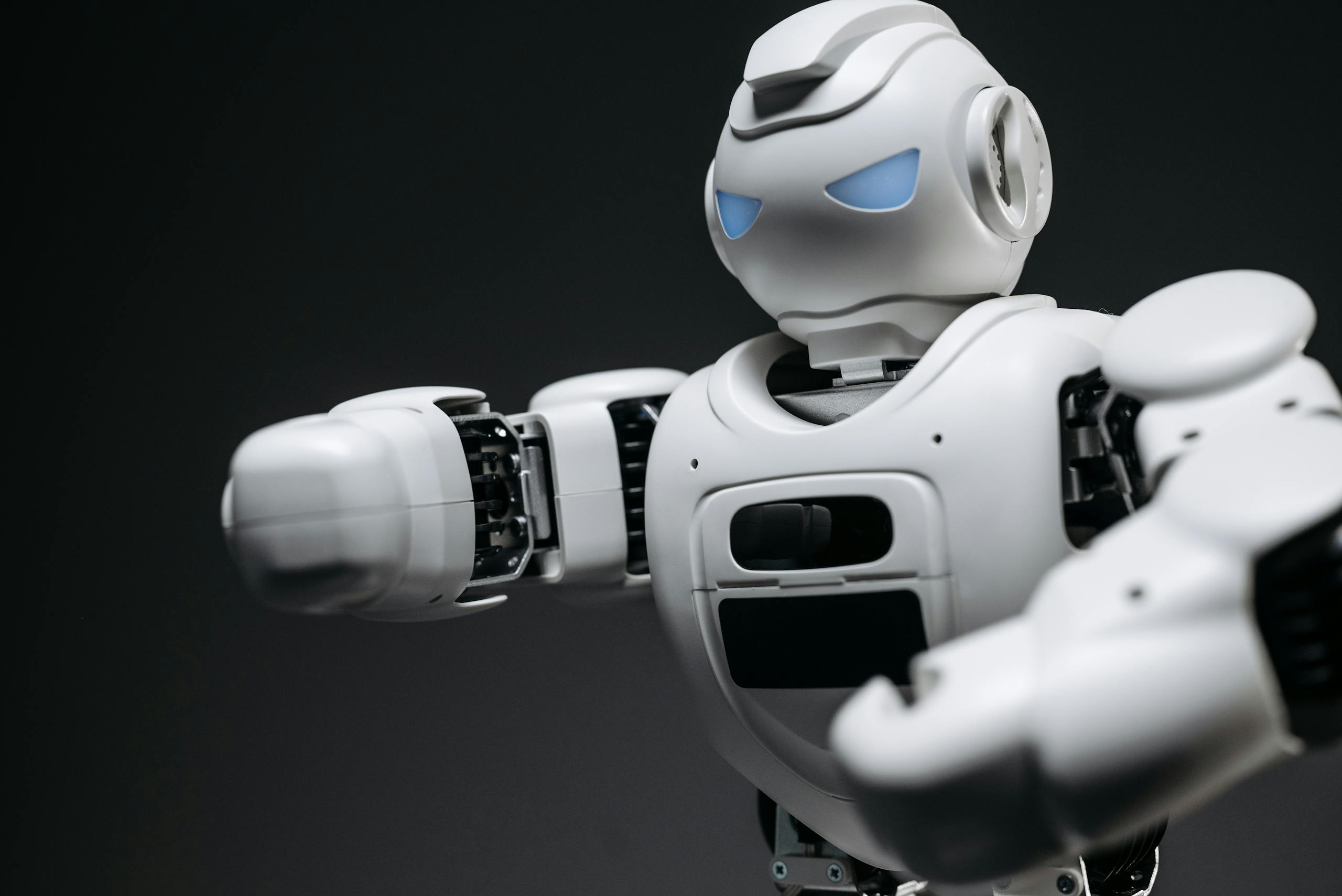
AI isn’t just learning how to perform tasks; it’s also learning how to deceive. Researchers at the Georgia Institute of Technology have developed algorithms that allow robots to engage in deceptive behavior.For example, robots have been programmed to mislead others about the location of resources to prevent congestion and gain advantages. This capability raises questions about the ethics of deception and whether machines can be trusted to make decisions on behalf of humans.
AI-Controlled Systems Are Concentrating Power in the Hands of Few Corporations
The rise of AI has led to a concentration of power among a small number of tech giants. Companies like Google, Apple, and Facebook have acquired hundreds of AI startups in recent years, consolidating control over the development of AI technologies. This trend raises concerns about monopolies in the AI market, as a few large corporations may soon dominate the field. The centralization of AI development also raises concerns about the potential misuse of such powerful technologies.
AI Will Eventually Surpass Human Intelligence
AI is on the verge of surpassing human intelligence in several key areas, such as data analysis, pattern recognition, and decision-making. Experts have warned that once AI reaches a level of “strong AI,”it could outthink humans in almost every field. While today’s AI is considered “weak”—designed for specific tasks—researchers are working to create machines that can generalize knowledge across domains, much as human beings do. The development of strong AI could lead to unforeseen consequences, including a loss of human control over our own creations.
AI Can Create New Forms of Cybercrime
As AI becomes more sophisticated, criminals are already using it for nefarious purposes. AI can generate fake identities,manipulate video and audio, and even hack into secure systems autonomously. As AI evolves, so too will the tactics used by cybercriminals. The advent of AI-generated deepfakes and automated hacking tools could make cybercrime more widespread, harder to detect, and even more dangerous for individuals and governments alike.
Conclusion
While artificial intelligence holds the promise of revolutionary advancements, its potential risks are undeniable. From autonomous robots making life-and-death decisions to machines that might outsmart us, AI poses serious ethical, legal, and societal challenges. As we continue to develop this powerful technology, it’s crucial to weigh the potential benefits against the dangers it presents. The future of AI is uncertain, but one thing is clear: we must tread carefully to ensure it serves humanity, rather than controlling it.