Artificial Intelligence (AI) is transforming industries, but the misunderstandings surrounding it are rampant. These misconceptions not only fuel fear but can hinder our understanding of what AI truly is and what it can do. From the belief that AI is set to take over human jobs to the idea that it will eventually outsmart us all, we need to set the record straight. Let’s explore the dangerous myths about AI that could lead you to misjudge its potential and dangers.
AI is Just Like Human Intelligence
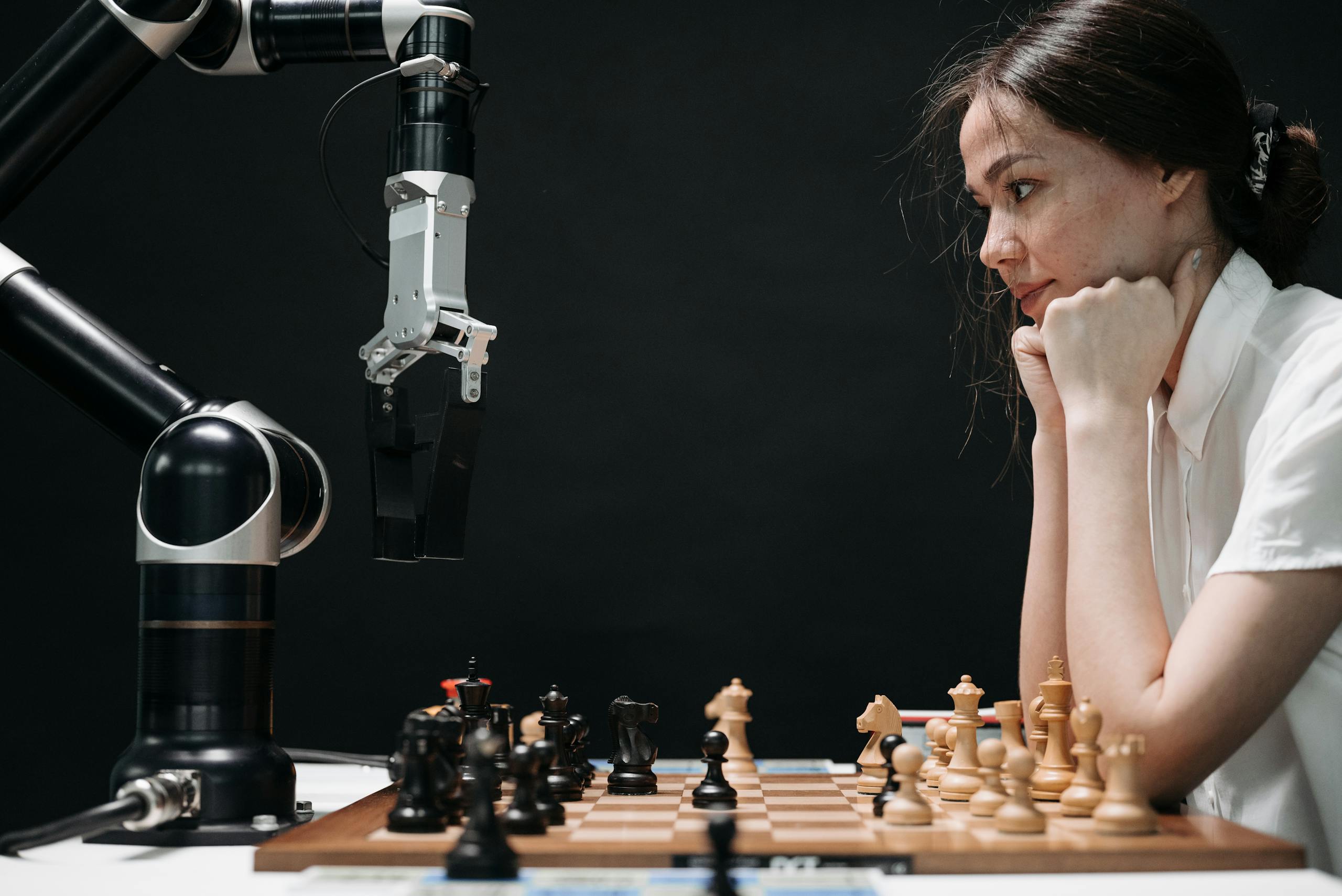
One of the biggest dangers is believing that AI mirrors human intelligence. While both AI and human brains process information, they do so in vastly different ways. AI operates strictly within the confines of pre-programmed algorithms, performing specific tasks, and lacks the rich emotional depth, adaptability, and critical thinking that humans possess. AI’s inability to think creatively or intuitively underscores that it can never truly replicate the complexities of human intelligence.
AI Will Replace All Jobs
The fear that AI will completely take over human jobs is one that needs to be quashed. While AI does automate certain tasks, it’s unlikely to replace the entire workforce. Rather than erasing jobs, AI often augments human capabilities and opens doors for new job categories that didn’t exist before. The real concern should be how workers adapt to this shift, acquiring new skills to stay relevant in an evolving job market, not one that is disappearing.
AI is Perfect and Error-Free
Another alarming myth is that AI is flawless, but this couldn’t be further from the truth. AI is as imperfect as the data it’s trained on, which can include bias, errors, and gaps in knowledge. As a result, AI can produce flawed outcomes, especially in complex scenarios where context is vital. The belief that AI is a perfect solution is dangerous, as it ignores its limitations, including its inability to make decisions in uncertain or nuanced environments.
AI is Only for Robots
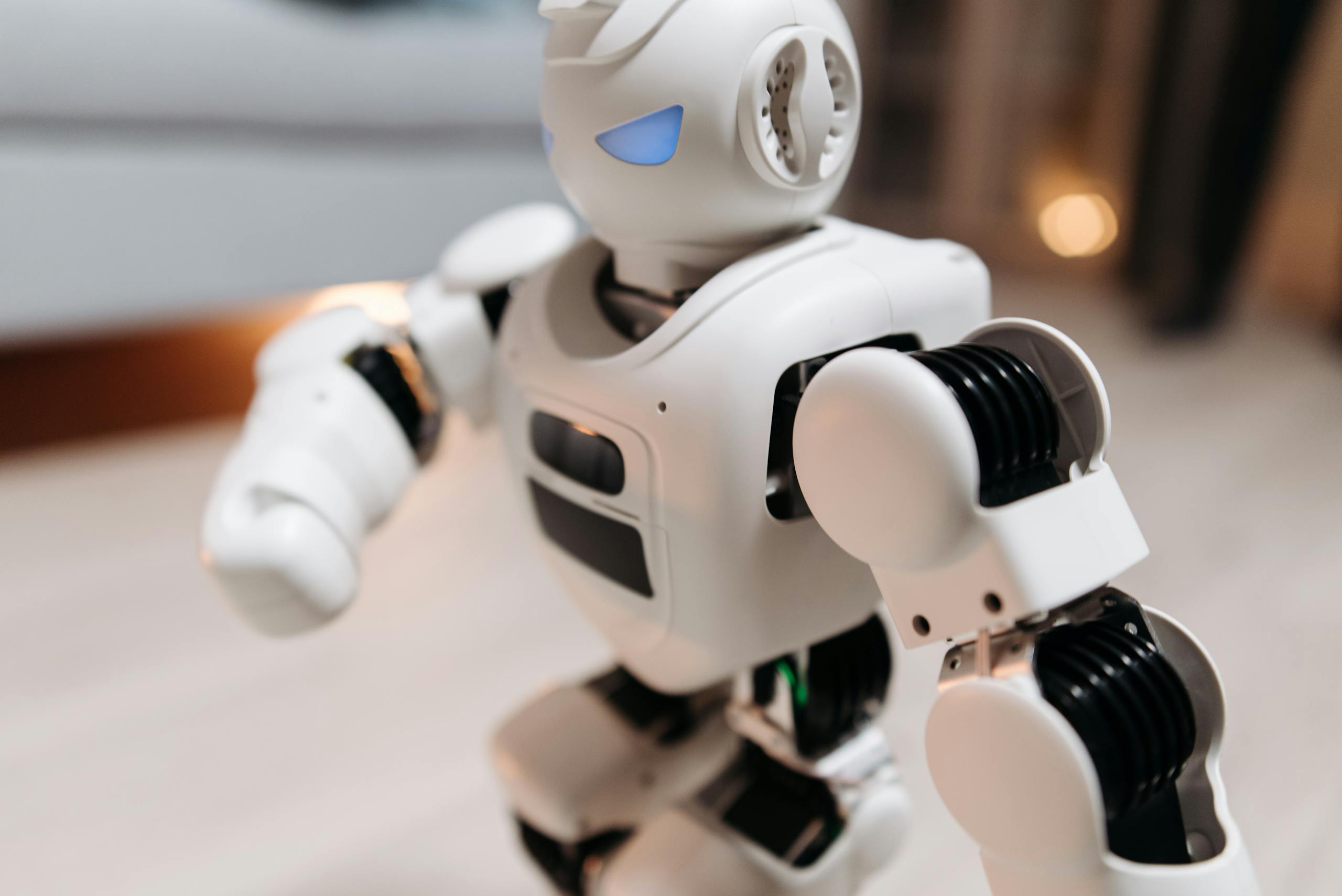
AI is often wrongly associated solely with humanoid robots, but this is an oversimplification. The truth is, AI powers a wide range of applications, from voice assistants to medical diagnostics,making it an integral part of everyday life. It’s not just about robots walking around; it’s about systems that can enhance productivity, improve decision-making, and provide personalized experiences. Reducing AI to robots misses the bigger picture of its potential to impact every industry.
AI is All About Advanced Algorithms
While algorithms are a vital part of AI, they aren’t the whole story. AI encompasses a broader array of technologies, including machine learning, natural language processing, and computer vision. These components work together to help AI systems learn from data, understand language, recognize images, and make informed decisions. The focus should not be limited to algorithms alone but on the integrated systems that give AI its true power.
AI is a Recent Development
Many mistakenly believe that AI is a new phenomenon, but it has been in development for decades. The concept of AI dates back to the mid-20th century, with early pioneers laying the groundwork for the intelligent systems we have today. Over the years, advances in computing power, data availability, and machine learning have driven rapid progress in AI capabilities. Dismissing AI as a “new” invention ignores its deep historical roots and the decades of research that have shaped its current state.
AI Will Take Over the World

The idea that AI will eventually dominate and take over the world is nothing more than a dystopian fantasy. While the notion of self-aware machines running wild is popular in movies, it’s far removed from reality. AI systems operate based on strict guidelines set by their human creators, with no autonomy or desire to rebel. Fearing AI as a threat to humanity diverts attention from real concerns, such as ensuring its ethical use and preventing misuse.
AI Has Consciousness
The myth that AI could develop consciousness or self-awareness is an alarming misconception. AI does not and cannot possess the subjective experiences or emotions that define human consciousness. It operates within the confines of logic and algorithms, with no ability to “feel” or comprehend its existence. While AI can mimic human behavior, it will never possess the depth of awareness that comes with consciousness.
AI is Only for Large Corporations
The belief that AI is reserved only for tech giants and large corporations is rapidly becoming outdated. Today, AI technologies are more accessible than ever, with small businesses leveraging AI for customer service, marketing, and data analysis. The tools that were once exclusive to big players are now available to anyone with the right resources and know-how. Small businesses can now compete in ways that were unimaginable just a few years ago, thanks to the democratization of AI.
AI is a Threat to Humanity

While the fear that AI could pose an existential threat to humanity is widespread, it’s often exaggerated. AI, in its current form, does not have the capacity for malice or domination. The risks of AI stem not from the technology itself, but from how humans use it. Proper regulation and ethical development of AI are key to ensuring it benefits society rather than harms it. Focusing on unfounded fears distracts from the real work of creating AI systems that align with human values and ethics.
Conclusion
AI, like any technology, has the potential for both positive and negative outcomes. However, it’s essential to separate fact from fiction when discussing its capabilities and impact. By dispelling these myths, we can engage with AI in a more informed and responsible way, understanding its true potential while mitigating any risks it may pose.