Remember when grabbing a cold soda meant reaching into a metal cooler at the corner store, pulling out a glass bottle, and hearing that satisfying pop as the cap came off?
For Americans who grew up during the 1960s, soda was more than just something to drink. It was part of family cookouts, drive-in movies, neighborhood diners, birthday parties, and summer afternoons spent with friends.
Back then, the soda aisle looked a little different. Glass bottles were common, colorful advertisements filled magazines, and companies competed fiercely to win over customers with catchy slogans and exciting new flavors.
Some brands became household names that are still popular today. Others gradually disappeared from mainstream stores, leaving behind memories of a time when buying a soda felt like a special treat.
The 1960s also introduced several drinks that would change the American beverage industry, including new diet sodas and citrus-flavored favorites.
Whether you remember drinking cola from a glass bottle or trying a newly introduced soda for the first time, these 8 brands offer a refreshing trip down memory lane.
Coca-Cola
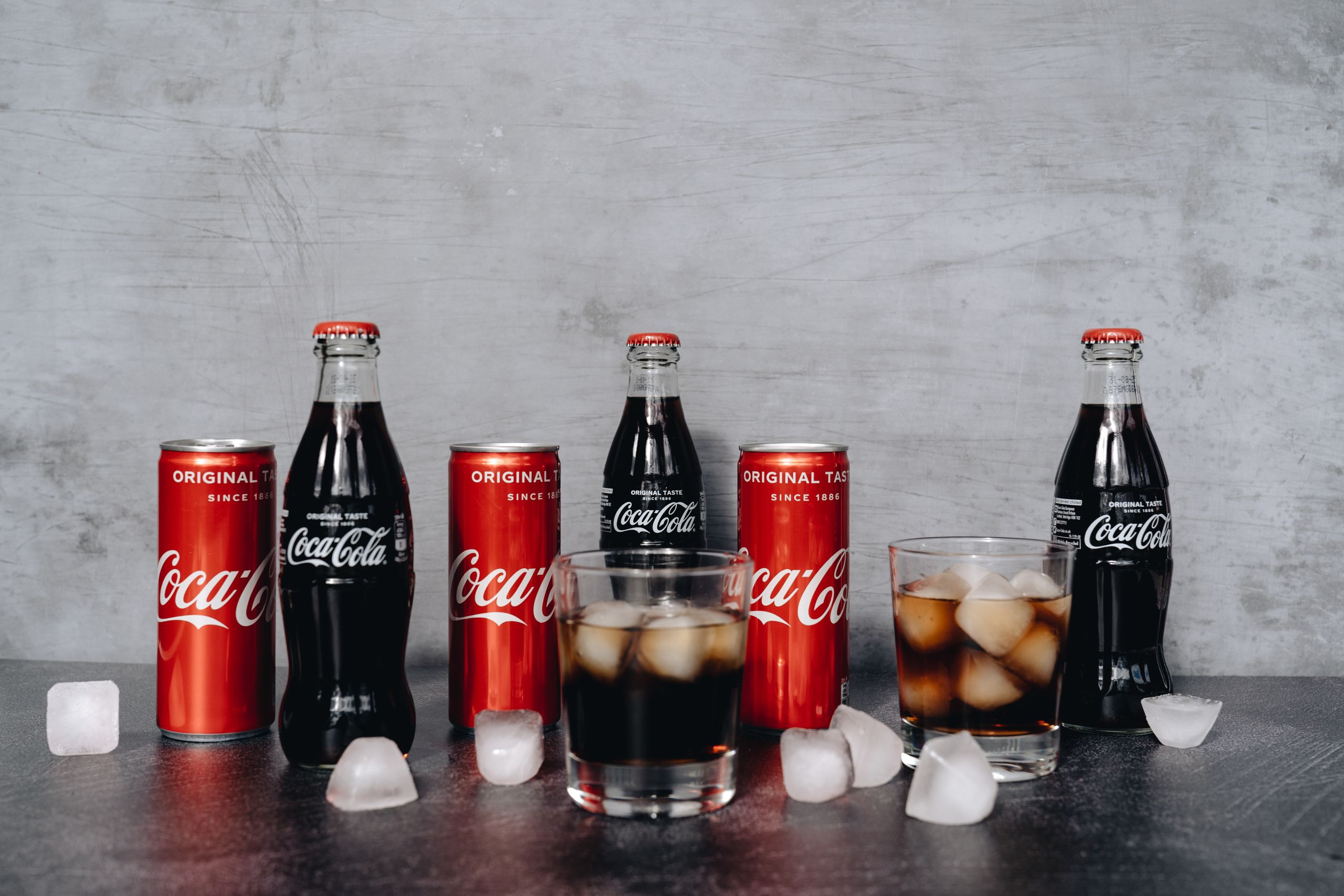
Few drinks represent American nostalgia quite like Coca-Cola.
By the 1960s, Coke had already been part of American life for generations. Its familiar red-and-white logo appeared in grocery stores, restaurants, vending machines, and roadside advertisements.
Many families kept glass bottles in their refrigerators, while others enjoyed Coke at diners and soda fountains.
The brand also became known for memorable advertising campaigns that connected its drinks with friendship, happiness, and everyday experiences.
In 1969, Coca-Cola introduced the slogan “It’s the Real Thing,” which helped define its advertising identity heading into the 1970s.
Although packaging and marketing have changed over the years, Coca-Cola remains one of the world’s most recognizable soft drinks.
For many older Americans, however, nothing quite compares to the memory of opening an ice-cold glass bottle on a hot summer afternoon.
Pepsi-Cola
If Coca-Cola represented tradition, Pepsi wanted to represent a new generation.
During the 1960s, Pepsi positioned itself as the drink for younger Americans who were embracing changing music, fashion, and culture.
Its famous “Pepsi Generation” advertising campaign helped establish the brand as a modern alternative to Coca-Cola.
The advertisements often featured energetic young people enjoying life, making Pepsi feel connected to the decade’s changing attitudes.
Of course, the rivalry between Pepsi and Coke was already well established.
Families often had strong preferences, and choosing one brand over the other could become a surprisingly passionate discussion.
Pepsi remains widely available today, but its 1960s advertising helped create an identity that lasted long after the decade ended.
7UP
Before today’s crowded selection of lemon-lime sodas, 7UP was already a familiar favorite.
Originally introduced in 1929, the drink became popular for its refreshing citrus flavor and clear appearance.
In the 1960s, people commonly enjoyed 7UP on its own or mixed into party punches and other beverages.
Its light, bubbly taste made it an alternative for customers who did not want a traditional cola.
The brand also developed memorable advertising and eventually embraced its famous “Uncola” identity in the late 1960s.
That campaign encouraged consumers to see 7UP as different from conventional cola drinks.
For families who remember backyard celebrations and homemade party punch, 7UP may bring back particularly sweet memories.
Dr Pepper
Dr Pepper had already developed a loyal following long before the 1960s arrived.
Created in Waco, Texas, in 1885, the soft drink offered a distinctive flavor that set it apart from traditional colas.
One of its most memorable advertising campaigns encouraged people to enjoy Dr Pepper at 10 a.m., 2 p.m., and 4 p.m.
Those numbers even appeared on vintage bottles and advertisements.
During the 1960s, the company updated its image and became associated with rock-and-roll culture and television programs such as American Bandstand.
Dr Pepper eventually adopted advertising that celebrated its unusual flavor.
For customers who grew up drinking it from glass bottles, that distinctive taste remains part of the brand’s charm.
RC Cola
Royal Crown Cola, commonly known as RC Cola, was another familiar competitor in America’s soda market.
While Coca-Cola and Pepsi dominated national advertising, RC attracted customers who appreciated its flavor and value.
The brand had a particularly strong presence in parts of the South, where drinking RC Cola became a local tradition.
One nostalgic combination was enjoying a cold RC Cola with a MoonPie, a pairing still celebrated at regional festivals.
RC was also connected to an important development in soda history through Diet Rite, an early sugar-free cola that became popular during the 1960s.
Although RC Cola never overtook its larger competitors, it earned a lasting place in American beverage culture.
The brand still exists, but for longtime fans, the sight of an old-fashioned RC bottle can bring back memories of neighborhood stores and simpler afternoons.
Fanta
For families who preferred fruity flavors over traditional cola, Fanta was an exciting alternative.
Although the brand originated in Europe during World War II, it entered the American market in 1960.
Its fruity varieties offered something different from the cola drinks that dominated store shelves.
Orange Fanta became especially recognizable, with its bright color and sweet citrus taste.
During the 1960s, fruit-flavored sodas appealed to shoppers looking for more variety.
Fanta’s expanding presence also reflected Coca-Cola’s growing interest in products beyond its original cola.
Today, Fanta remains a major international brand, but its colorful bottles and fruit flavors can still remind older customers of childhood parties and summertime treats.
Sprite
Sprite was one of the decade’s important new arrivals.
Coca-Cola introduced the lemon-lime soda to the American market in 1961.
Its clear appearance and crisp citrus flavor helped distinguish it from traditional dark colas.
Sprite entered a market where 7UP was already an established favorite, making competition particularly interesting.
For shoppers, having another lemon-lime option meant more choices when stocking refrigerators or preparing drinks for parties.
The brand gradually became a familiar sight in American stores and restaurants.
Today, Sprite is one of the world’s most recognizable soda brands, but its story in America began during a decade filled with new consumer products and changing tastes.
Tab
Long before Diet Coke became a household name, Coca-Cola had another low-calorie soda called Tab.
Introduced in 1963, Tab was Coca-Cola’s first low-calorie soft drink.
It arrived as manufacturers began to recognize growing consumer interest in alternatives to regular sugary sodas.
Tab’s distinctive pink packaging helped it stand out on store shelves.
Its advertising presented the drink as a fashionable choice for people seeking a different kind of cola.
Over the years, Tab developed a devoted following, particularly among customers who enjoyed its recognizable flavor.
However, the brand eventually lost ground as newer diet sodas entered the market.
Coca-Cola discontinued Tab at the end of 2020, making it one of the few drinks on this list that shoppers can no longer purchase as a regularly produced product.
For longtime fans, its disappearance marked the end of a memorable chapter in soda history.
Mountain Dew
Mountain Dew’s history is closely connected to the American South.
The drink was developed before the 1960s, but the decade helped transform it into a more widely recognized soda.
Its citrus flavor and unusual name set it apart from competing beverages.
Early Mountain Dew advertising embraced a playful hillbilly-inspired identity, complete with cartoon characters and humorous slogans.
In 1964, Pepsi-Cola acquired the Mountain Dew brand and production rights.
That acquisition helped the drink reach more customers across the United States.
Its marketing and packaging have changed dramatically over the decades, but Mountain Dew remains a familiar favorite.
For Americans who remember its early bottles and advertisements, the modern brand looks quite different from the soda they first encountered.
Why These Classic Sodas Still Bring Back Memories
The 1960s were an important decade for America’s soft-drink industry.
Coca-Cola and Pepsi continued their famous rivalry, while new products such as Sprite, Tab, Fresca, and Fanta expanded shoppers’ choices.
Regional favorites also maintained loyal followings, proving national advertising wasn’t the only way to build a successful soda brand.
But nostalgia is about more than the drinks themselves.
For many people, these sodas represent afternoons at the local diner, family vacations, neighborhood baseball games, and trips to the corner store with a few coins in their pockets.
Some brands have disappeared, others have changed their packaging, and many remain available more than half a century later.
Yet one thing has not changed: a familiar soda can bring back memories of a particular place, person, or moment in childhood.
And for Americans who grew up in the 1960s, even the sound of a glass bottle opening might be enough to remember those days.