Most pasta mistakes do not look dramatic. No smoke alarm screams. No sauce explodes. No one storms out of the kitchen. The meal simply lands on the plate, tasting a little duller than expected, with sauce sliding off the noodles or pooling sadly at the bottom of the bowl.
That quiet disappointment often starts with one small habit: throwing away all the pasta water. The cloudy liquid in the pot may look like something to dump, but it carries starch, salt, and sauce-saving power. It can turn a stiff, broken, watery, or bland sauce into something smoother, glossier, and far more satisfying.
We do not need fancy equipment to make better pasta. We need to stop treating pasta water like waste. These eight pasta water secrets show why that cloudy cup beside the stove can change the whole dish.
The Cloudy Water Is The Sauce Helper Most People Ignore
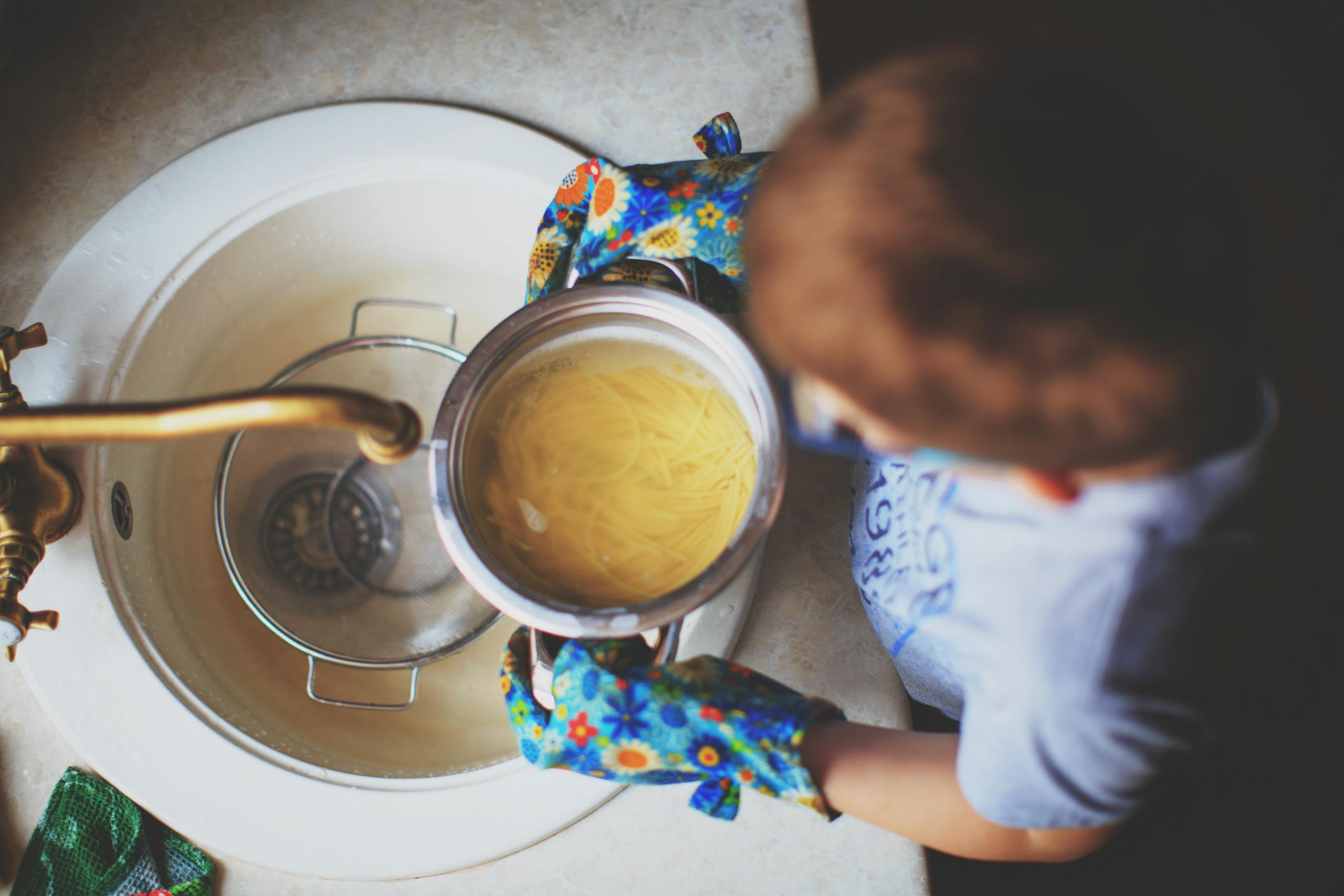
That cloudy water left behind after boiling pasta is not dirty or useless. It is filled with starch released from the noodles as they cook. This starch gives the water its cloudy look and makes it useful for building a smoother sauce. When we throw it straight into the sink, we lose one of the easiest ways to improve the final texture of the meal.
A few tablespoons can help bring the sauce and pasta together in a way plain water cannot. It gives the sauce body without making it heavy. It also helps loosen thick sauces without washing out the flavor. That is why many cooks treat pasta water like a secret ingredient instead of a leftover liquid.
It helps the sauce stick instead of sliding off
One of the biggest pasta problems is sauce that refuses to cling. The noodles look coated for a moment, then the sauce slips away and settles at the bottom of the bowl. This usually happens when the pasta and sauce never fully come together. The result feels less like a complete dish and more like plain noodles with sauce sitting nearby.
Pasta water helps solve that problem because starch acts like a natural binder. When we add a splash to the sauce and toss the pasta properly, the sauce grips the noodles better. Spaghetti, linguine, penne, rigatoni, and shells all benefit from that extra cling. Every bite becomes more flavorful because the sauce stays where it belongs.
It Can Turn A Thick Sauce Silky Again
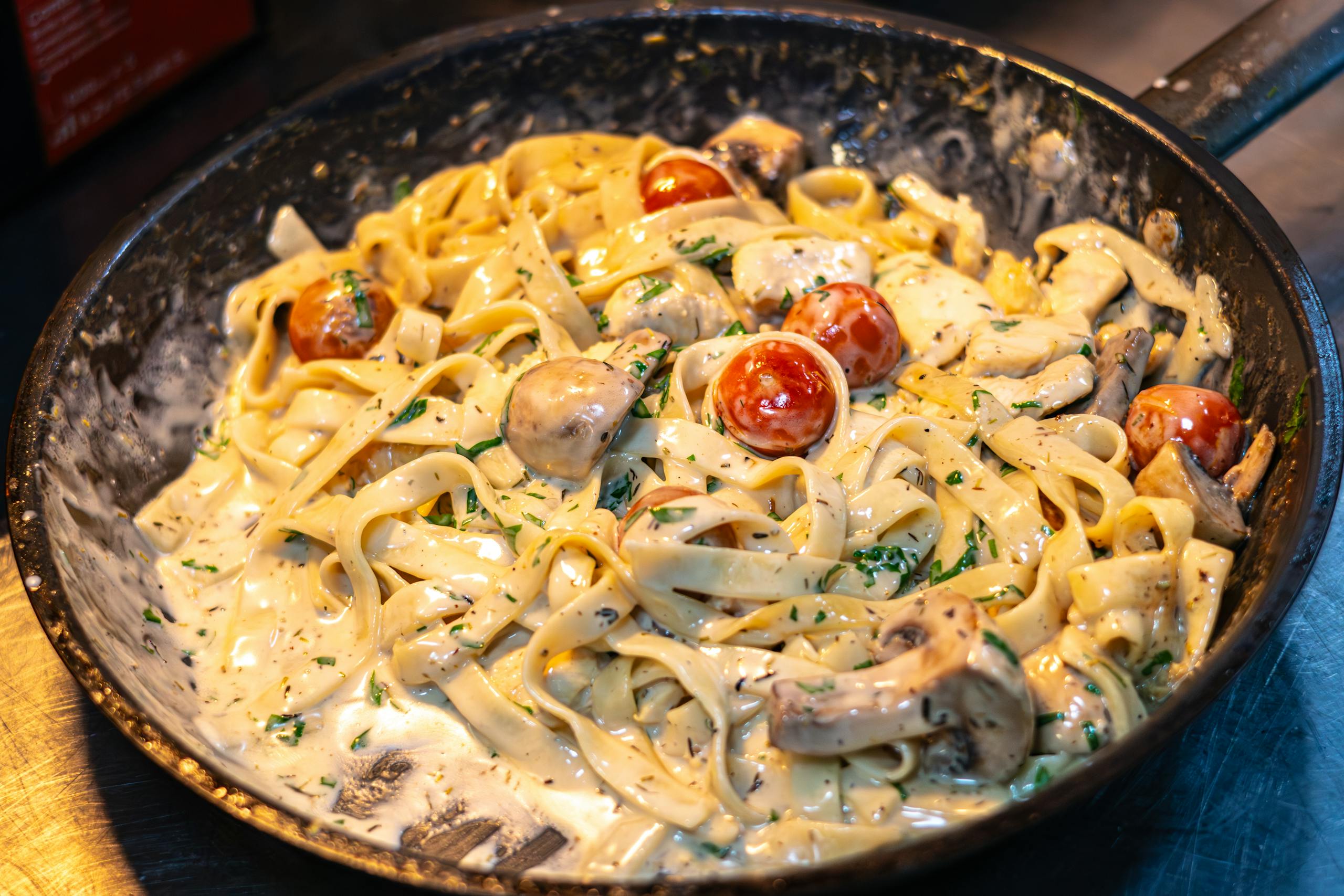
Creamy pasta sauces can tighten fast. Alfredo, cheese sauces, butter sauces, and creamy tomato sauces may look smooth in the pan, then suddenly become heavy once the noodles go in. Pasta absorbs moisture quickly, and that can leave the sauce feeling sticky, clumpy, or too rich.
A splash of pasta water brings movement back to the sauce. It loosens the texture without thinning it into a watery mess. The starch helps the sauce stay connected, so it becomes glossy instead of soupy. This is especially useful when the pasta sits for a few minutes before serving, because the sauce often needs a little help staying soft and smooth.
It Makes Simple Garlic And Oil Pasta Taste More Complete
Garlic and oil pasta sounds easy, but it can expose weak technique very quickly. If the noodles are tossed only with oil, the dish can taste greasy in some bites and dry in others. The garlic may sit at the bottom of the pan, and the oil may coat the pasta unevenly. Simple food needs balance, and pasta water helps create it.
When a little pasta water meets olive oil over heat, the starch helps create a light sauce. The garlic spreads better, the oil feels less slick, and the noodles become lightly coated instead of oily. This small step can make a basic garlic pasta taste thoughtful, smooth, and properly finished.
It gives tomato sauce a better body
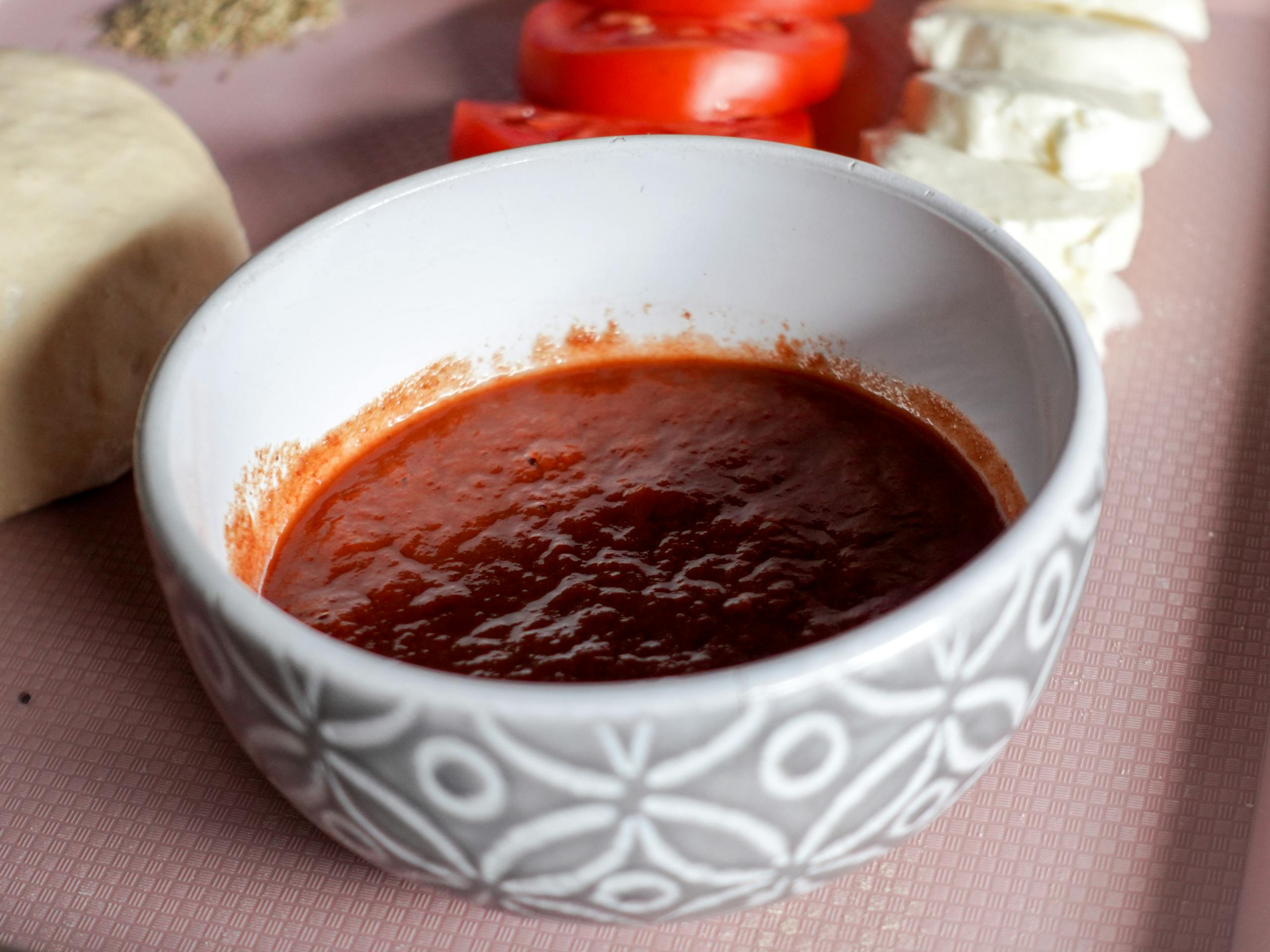
Tomato sauce can taste flat when it sits on top of pasta instead of becoming part of it. Even a good sauce with garlic, onions, herbs, and olive oil can feel unfinished if it does not coat the noodles well. That is why pasta tossed in sauce usually tastes better than pasta served with sauce poured over it at the last second.
Pasta water helps tomato sauce loosen and cling at the same time. It gives the sauce a little body, softens sharp edges, and helps it spread through the pasta more evenly. Instead of a red puddle under the noodles, we get a fuller dish where sauce and pasta work together.
The Best Time To Save It Is Before Draining
The easiest way to use pasta water is to save it before draining the noodles. A mug, measuring cup, ladle, or heatproof bowl is enough. Scoop out about one cup near the end of cooking, when the water is cloudy and full of starch. That small habit gives us control when the sauce needs help later.
The timing matters because early pasta water may not have enough starch yet. Water taken near the end of cooking is usually more useful because the pasta has released more starch into the pot. Once the water goes down the drain, there is no real replacement. Plain tap water can loosen a sauce, but it cannot give the same texture.
Adding Too Much Can Ruin The Sauce
Pasta water works best when added slowly. The goal is not to flood the pan. Start with a few tablespoons, toss the pasta, and watch how the sauce changes. If it still looks dry or stiff, add a little more. If it turns glossy and coats the noodles, stop.
This is where many home cooks go wrong. Too much pasta water can make the sauce thin and weak, especially if the sauce was already loose. The secret is control. Add a splash, toss, taste, and adjust. That slow approach gives the sauce a better chance to become silky instead of watery.
Finishing Pasta In The Pan Makes A Big Difference
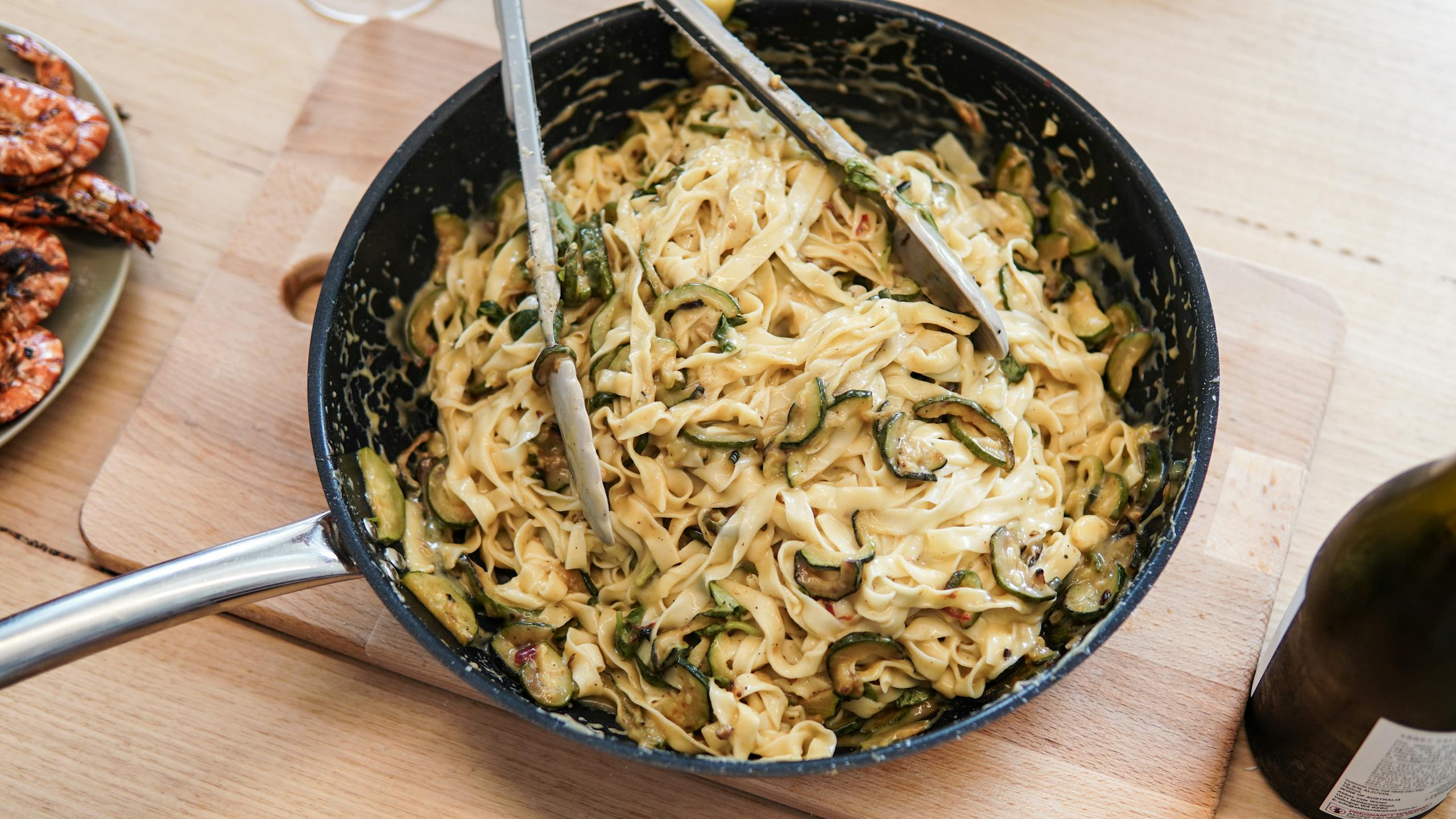
Pasta should not always go straight from colander to plate. One of the best habits is to finish the noodles in the sauce for the last minute or two. This gives the pasta time to absorb flavor while the starch from the pasta water helps everything come together.
The pan method gives us more control over texture. If the sauce gets thick, we add pasta water. If it looks loose, we toss it over the heat until it tightens. The pasta becomes part of the sauce instead of a plain base underneath it. That small finishing step can make homemade pasta taste more polished and restaurant-worthy.
Final Thoughts On The Pasta Water Habit
Better pasta does not always come from a more expensive sauce, a bigger block of cheese, or a complicated recipe. Sometimes it comes from saving what is already in the pot. Pasta water helps sauce cling, adds body, rescues thick mixtures, and makes simple dishes taste more complete.
The habit is easy to build. Save a cup before draining, add it slowly, and finish the pasta in the pan whenever possible. That cloudy water may not look special, but it can quietly turn an ordinary bowl of pasta into something smoother, richer, and far more satisfying.