A couple planning to feed 12 people at Thanksgiving thought their guest list was settled. Then longtime friends announced they would be bringing two more people to the table: their adult daughter and her young daughter, who would be the only child in the house.
The hosts wrote to Miss Manners, the etiquette column by Judith Martin, asking how to keep the extra guests off the list without insulting the friends. In the column dated Nov. 19, 2026, Miss Manners gave them a short, gentle script and an exit line that keeps the friendship intact.

A Dinner for 12 and an Unexpected Plus-Two
According to the letter published on ArcaMax, the writer and his wife were already hosting a dozen people. The friends did not ask whether their daughter and granddaughter could come. They announced it.
The host described the little girl in unflattering terms and noted that she would be the only child at the gathering. He said he did not want to simply absorb the two extra guests, but he also felt that turning down the whole family would be harsh. In other words, he wanted to keep his old friends at the table and leave the add-ons for another day.
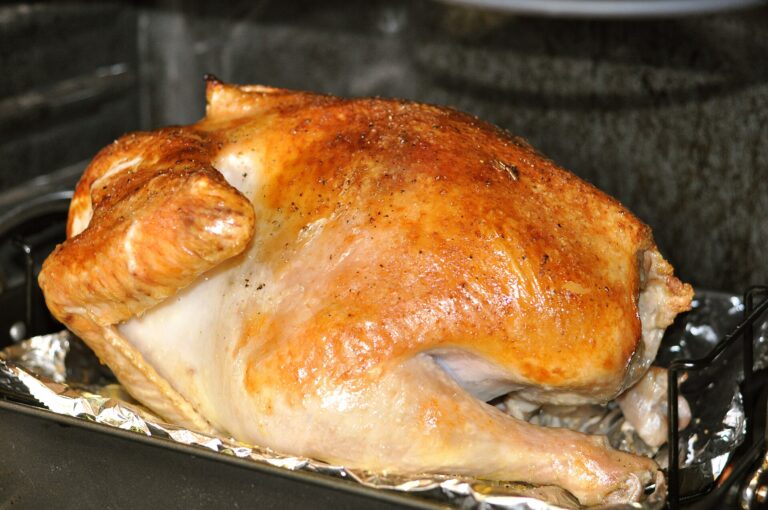
It is a familiar holiday bind. A table set for 12 has a fixed number of chairs, a turkey sized for a certain crowd and a menu planned around adult tastes. Hosts who cook for that many people every year, like the ones in this look at what longtime Thanksgiving hosts tend to have in common, know that every extra seat changes the math on food, dishes and space, from the turkey to the ice for a self-serve Friendsgiving-style drinks station.
The Script Miss Manners Offered
Miss Manners did not tell the hosts to argue about the child’s behavior or to lecture the friends about inviting themselves. Instead, she suggested a reply built around the house and the occasion rather than the girl.
Her suggested wording had the hosts say, with regret, that their house is “not conducive to young children” and that they are afraid the little girl would be bored. In the column she gave the child a teasing nickname in place of a name, but the point of the script was the same. The hosts would be saying, politely, that an adult Thanksgiving is not a fun afternoon for a single small child with no one her age.
She then added a line meant to soften the no: the hosts would say they look forward to seeing the daughter and granddaughter “at another occasion.” And she offered the hosts a cheerful follow-up suggestion they could use if the moment allowed: perhaps the next get-together could be at the friends’ house.
That approach fits a long American habit of keeping the peace over a holiday meal, one of several customs on this list of odd American traditions that confuse the rest of the world. Guests can help hosts avoid the whole problem by asking before adding anyone, a courtesy that shows up in this list of things people who arrive early to family gatherings do.

Why the Wording Focuses on the House, Not the Child
The script works because it avoids any criticism of the granddaughter or her mother. Saying a home is not set up for young children is a statement about the hosts’ own space. It does not ask the friends to agree that the child is difficult, and it gives them nothing to defend. It also keeps the conversation on the practical side of hosting, where the real limits are chairs, oven space and a menu that is already planned, the same pressures that send cooks shopping for air fryers and toaster ovens that free up the oven each November.
Other etiquette authorities take a similar line on extra guests. The Emily Post Institute, in its advice on when a guest’s reply includes uninvited children, says hosts should give guests the benefit of the doubt, keep the focus on who is invited and stay kind but firm. If a guest decides not to attend over it, the institute says, the host has not broken any rule.
Miss Manners has made a career of that kind of calm, script-first advice. Judith Martin began the syndicated column in 1978, according to her Wikipedia biography, and it now runs with her son Nicholas Ivor Martin and daughter Jacobina Martin. New letters appear on the column’s ArcaMax page several times a week.
How the Extra Seats Change a Holiday Menu
For many hosts, the guest list is also a grocery list. A dinner for 12 can mean a turkey of 15 pounds or more, multiple sides and at least two pies. Adding guests at the last minute can mean another trip to the store, more chairs and a reshuffled oven schedule. Some hosts lean on countertop appliances to stretch the oven.
Drinks are another line item, since hosts setting up for a crowd plan around ice, pitchers and glasses. A single child at an adult table also raises menu questions, from juice instead of wine to a plain plate for a picky eater.
Small courtesies like checking in with the host, arriving on time and offering to bring a dish go a long way, and hosts tend to remember the guests who offer them.
A Holiday Rooted in the Shared Table
Thanksgiving has been a national holiday in the U.S. since President Abraham Lincoln proclaimed it in 1863, according to the history of the holiday, and it has long centered on a shared meal with family and friends. That is part of why guest-list questions feel so loaded. Saying no to anyone at the table can feel like breaking the spirit of the day.
Miss Manners’ answer suggests it does not have to. The hosts keep their dinner for 12 as planned, the friends still get their seats, and the daughter and granddaughter get a sincere invitation to another, more kid-friendly occasion. The letter struck a nerve because so many families know the moment when a guest list quietly grows, and the hard part is saying so kindly.
This article was produced with AI assistance and edited for accuracy against the sources linked above.