Before barcode scanners took over checkout lanes, nearly every can and box in a grocery store wore a little price sticker. In most of the country those stickers have disappeared, replaced by a price on the shelf edge. A handful of states still regulate how and where prices appear on the items themselves.
According to the National Institute of Standards and Technology, 8 states require some level of mandatory item pricing: Arizona, California, Connecticut, Massachusetts, Michigan, New Hampshire, New Mexico and New York. The rules differ widely, and every one of those states allows exemptions.
What Item Pricing Means
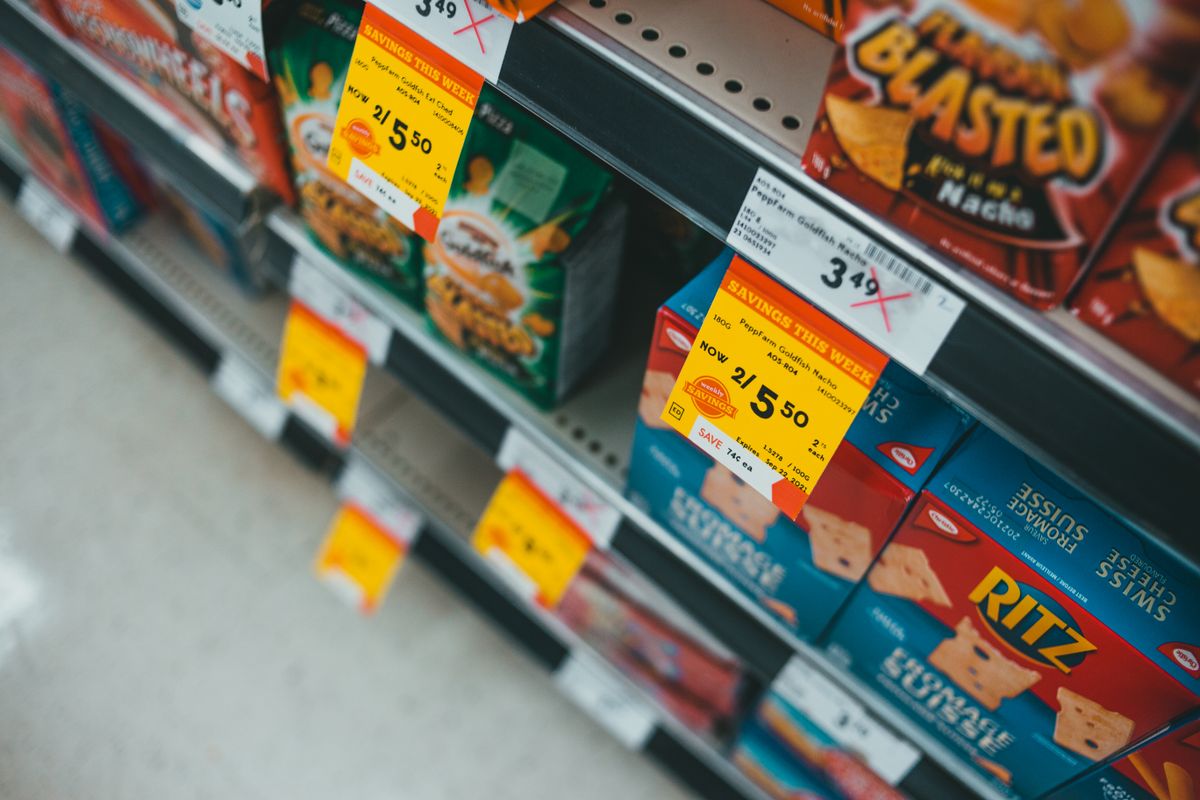
Item pricing is different from unit pricing. Unit pricing shows the cost per ounce or per pound on a shelf tag, while item pricing deals with the price of each individual item, either marked on the product or displayed where it sits. NIST’s guide to U.S. retail pricing laws, compiled from information that state weights and measures directors report each year, lists the 8 states with mandatory item pricing and notes that each has exemptions. In New York, the guide says, item pricing rules vary by county.
Checkout scanners changed how prices reach shoppers. The first product scanned with a Universal Product Code at a supermarket checkout was a 10-pack of Wrigley’s Juicy Fruit gum at a Marsh supermarket in Troy, Ohio, on June 26, 1974. Once a price lives in a store’s computer instead of on the package, the shelf tag and the receipt become the main ways to check it. Comparing receipts with shelf tags is still one of the simplest frugal living tips, and it matters more as shoppers already feel they overpay for everyday products.
The 8 States on NIST’s List
- Arizona
- California
- Connecticut
- Massachusetts
- Michigan
- New Hampshire
- New Mexico
- New York
NIST cautions that each state’s law has exemptions and recommends contacting the state’s weights and measures director for the details. Because the rules are set state by state, a shopper who crosses a border to shop may find different price-labeling rules from one store to the next. Shoppers who keep careful lists, like people who write a grocery list before every trip, will find these rules easier to use, since they know what they expect to pay.
Massachusetts: Stickers or Permission to Scan
Massachusetts spells out its rules in detail. Under Section 184C of Chapter 94 of the Massachusetts General Laws, a food store may use either an individual item pricing system or a consumer price scanner system, but it needs permission from the state’s Division of Standards to use the scanner option. A store using item pricing must put the correct price on each unit with a clear sticker.
The law lets stores exempt certain classes of goods, such as unpackaged produce, meat, fish, poultry, deli and bakery items sold from a bulk display. Stores also get a set number of additional exempt items based on how many registers they run: 20 for a store with 1 register, then 50, 100 or 200 as the number of registers grows. Exempt items must be on an itemized list available at each checkout.
Michigan and Connecticut: What Happens When the Price Is Wrong
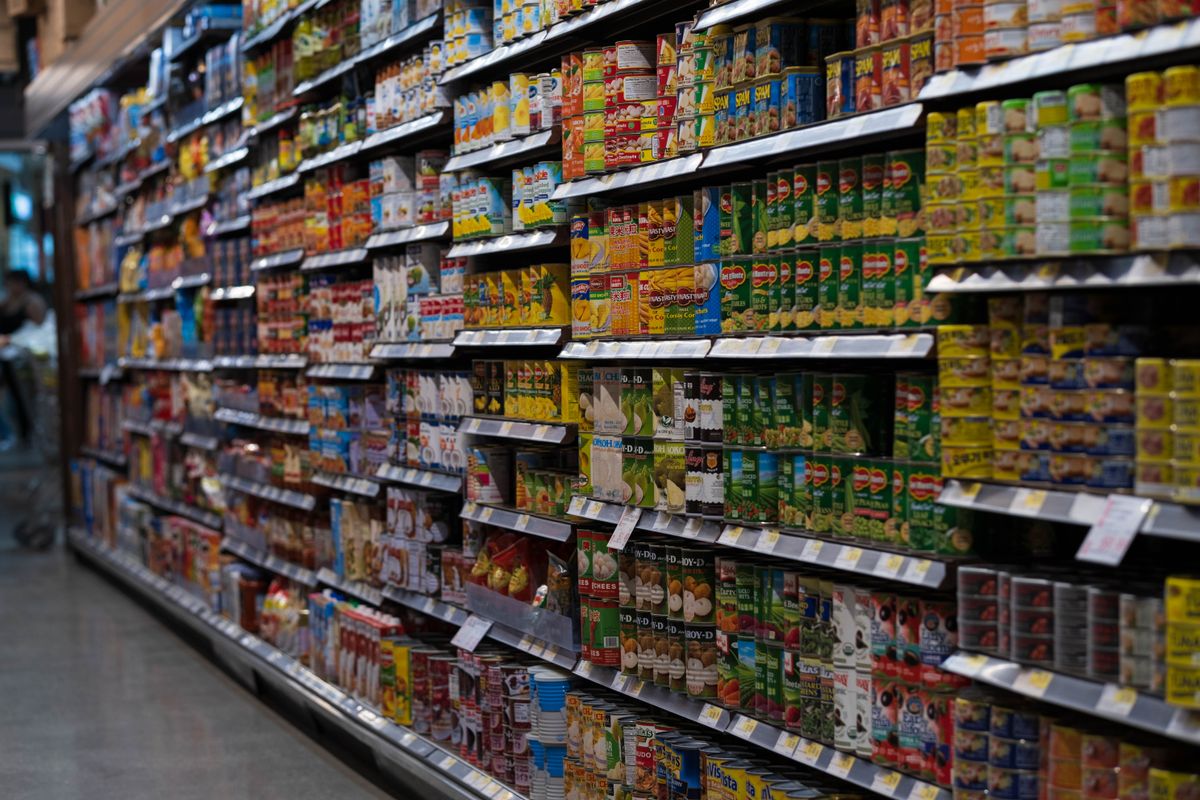
Michigan replaced its older Item Pricing Act in 2011 with the Shopping Reform and Modernization Act, known as the Scanner Law. According to the Michigan Department of Attorney General, stores no longer must mark a price on each item but must display it where the item is located, on a shelf tag, sign or sticker. A shopper charged more than the displayed price can get the difference back plus a bonus of 10 times the difference, from $1 to $5, by notifying the store within 30 days.
Michigan’s law also lists items that do not need a displayed price at all, according to the attorney general’s office. They include items sold by weight or volume that are not packaged, unpackaged food, prepared food meant to be eaten right away, live plants and animals, items priced at 30 cents or less and very small items of 3 ounces or less. Complaints about missing shelf prices go to the state’s Weights and Measures program at 800-632-3835. Knowing these rules is one of the easier ways to save money fast, because a pricing error caught at the store costs nothing to fix.
Connecticut takes a different approach to sale prices. The state’s Department of Consumer Protection says that if an item is advertised at a reduced price but scans higher than the sale sign next to it, the shopper is entitled to one of that item free on request, and stores must post a sign explaining the rule. The department’s fact sheet calls it the “Get One Free” law.
How Shoppers Can Use These Rules
In any of the 8 states, the practical steps are similar. Note the shelf or item price before reaching the register, watch the screen as items scan, and keep the receipt. In Michigan, the receipt is the evidence needed to claim the refund and bonus. In Connecticut, a mismatch on a sale item can mean the item is free.
Outside these states, many grocery chains still offer their own price-accuracy policies, so it is worth asking at the service desk. Those habits echo the household money habits many boomers still keep. Either way, a minute spent checking the receipt in the parking lot can catch errors, especially during the busy holiday shopping weeks when prices and sale tags change often.
This article was produced with AI assistance and edited for accuracy against the sources linked above.