A home does not have to look like something out of a furniture magazine to feel clean and comfortable. A little clutter, a few dishes in the sink, or laundry waiting to be folded are perfectly normal parts of everyday life. However, certain household problems go beyond ordinary messiness and can make it obvious that regular cleaning and maintenance have been neglected.
Some are easy to overlook when you live in the same space every day, while others become noticeable the moment someone walks through the front door. From strange smells to grimy bathroom corners, these seven things can make a home feel poorly maintained, even when the furniture and decorations look lovely.
A Persistent Musty Smell Around the House
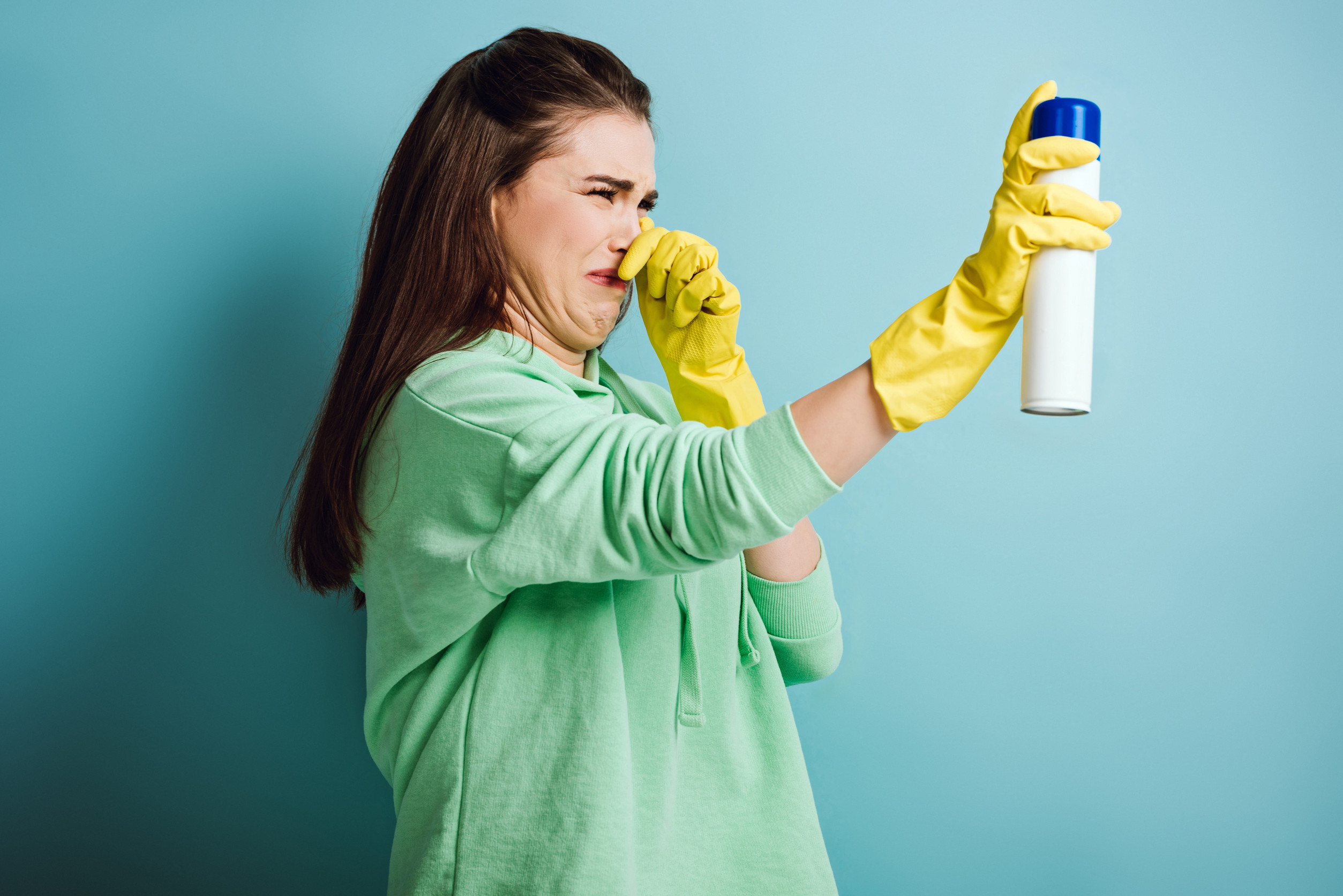
Walking into a home and immediately noticing a damp, stale smell is rarely a good sign. Musty odors can develop when moisture accumulates in poorly ventilated areas, particularly bathrooms, basements, cupboards, and rooms with water leaks.
Sometimes the problem comes from wet towels, dirty laundry, or carpets that have not dried properly. In other cases, the smell may indicate hidden mold growth behind furniture, under flooring, or around leaking pipes.
Opening windows and improving ventilation can help, but covering the odor with air fresheners will not solve the underlying problem. Persistent mustiness deserves investigation, especially when it comes with damp patches or visible mold.
Greasy Kitchen Cabinets and Sticky Countertops
The kitchen can reveal a lot about how regularly a home is cleaned. Grease from cooking gradually settles on cabinet doors, extractor fans, backsplashes, and nearby surfaces, creating a sticky film that attracts dust and dirt.
Countertops can also become unpleasant when food spills, oil splashes, and crumbs are left sitting for days. Even a kitchen with attractive cabinets and expensive appliances can look neglected when everything feels greasy to the touch.
Regularly wiping cooking surfaces, cleaning cabinet handles, and removing grease from the extractor fan makes a noticeable difference. Pay particular attention to the areas around the stove, where cooking residue tends to build up quickly.
Black or Pink Buildup Around Bathroom Fixtures
Bathrooms need regular attention because warm, damp conditions encourage the growth of mold and mildew. Dark patches around shower corners, pinkish residue near drains, and grime around taps can make an otherwise attractive bathroom look unpleasant.
Pink bathroom buildup is often associated with bacteria such as Serratia marcescens, rather than ordinary dirt. Dark spots may be mold, although their appearance alone cannot identify the exact type.
Cleaning shower walls, sinks, drains, and tile grout regularly helps prevent buildup. It is also important to keep the bathroom ventilated and address leaking taps or pipes before moisture becomes a bigger problem.
Dusty Air Vents and Dirty Ceiling Fans
Ceiling fans and air vents are easy to forget because they are not always at eye level. Unfortunately, dust can collect on fan blades, ventilation covers, and other fixtures until a simple glance upward reveals how long they have gone without cleaning.
When a fan starts spinning, some of that accumulated dust can become airborne and settle on furniture and floors. Dirty ventilation filters can also restrict airflow and make heating or cooling systems work less efficiently.
Wiping fan blades and cleaning accessible vent covers regularly helps keep dust under control. HVAC filters should also be checked and replaced according to the manufacturer’s recommendations.
Dirty Windows and Thick Grime on Window Tracks
Windows can make an entire room look dull when they are covered in dust, fingerprints, water marks, and accumulated grime. The problem is often worse around window tracks, where dirt, dead insects, and moisture collect unnoticed.
Those narrow tracks can become particularly unpleasant when debris mixes with condensation. If water repeatedly collects around the frames, it can also contribute to mold growth and damage nearby materials.
Cleaning the glass is only half the job. Wiping the frames, vacuuming the tracks, and checking for signs of water intrusion help keep windows looking and functioning properly.
Overflowing Trash Cans and Lingering Food Waste
A kitchen trash can that smells even after the lid is closed can make the whole room uncomfortable. Food scraps, leaking packaging, and liquids collecting at the bottom create unpleasant odors and attract insects.
Leaving rubbish indoors for too long can also encourage fruit flies and other pests, particularly when discarded food is involved. A clean kitchen will not feel particularly clean if the trash area smells like something has been forgotten for a week.
Emptying bins regularly, washing the inside, and cleaning the surrounding floor can prevent much of the problem. Using a liner helps, but it does not replace washing the actual container.
Dirty Carpets and Upholstery That Hold Old Odors
Carpets, rugs, sofas, and upholstered chairs absorb more than people realize. Food spills, pet hair, dust, sweat, and everyday dirt gradually settle into the fibers, sometimes leaving behind odors that ordinary vacuuming cannot remove.
A carpet may look reasonably clean from a distance while still holding dirt deep underneath. Upholstered furniture can have the same problem, particularly around armrests, seat cushions, and areas where people regularly eat.
Vacuuming regularly, treating spills promptly, and following the manufacturer’s cleaning instructions can help prevent buildup. Occasionally, professional deep cleaning may be necessary, especially for heavily used carpets and furniture.
A Well-Maintained Home Starts With the Small Details
Keeping a home in good condition does not mean spending every weekend scrubbing every corner. Most of these problems develop gradually because certain areas are easy to overlook during ordinary cleaning.
A quick check of bathroom corners, kitchen cabinets, ceiling fans, and window tracks can reveal issues before they become bigger headaches. It is also worth paying attention to unusual smells, damp patches, and signs of pests.
A home does not need expensive furniture or spotless floors to feel welcoming. Regular cleaning, proper ventilation, and taking care of small maintenance problems go a long way toward keeping it comfortable.