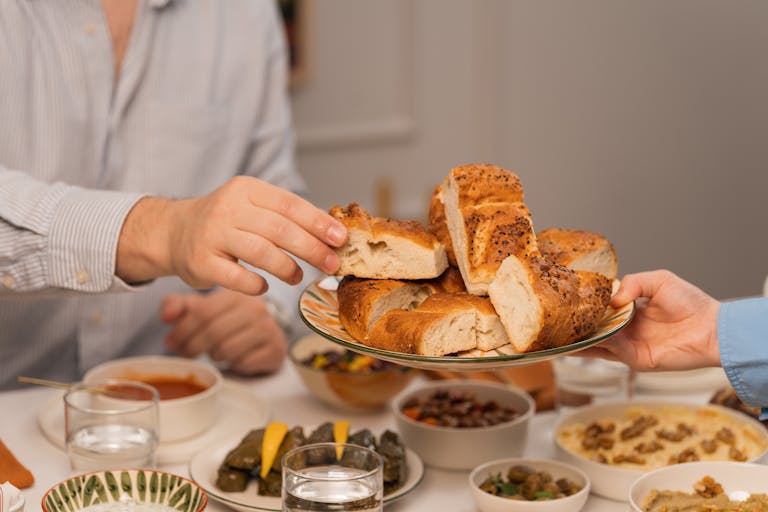
A Friendsgiving host invited 25 people, heard back from all of them and cooked for a crowd. Fourteen said yes, 11 said maybe, and only 5 people actually came, according to a Reddit post shared by one of the host’s friends.
The post drew 22,000 upvotes and 2,300 comments, The Daily Dot reported on Nov. 24, 2026. It has turned into a week-long argument about RSVPs, no-shows and who is stuck with the leftovers.

How 25 Invitations Became 5 Guests
According to The Daily Dot’s report, the post went up on Nov. 23 in a forum for mildly infuriating everyday experiences. The poster’s friend had planned a Friendsgiving for 25 people. Fourteen replied yes. Eleven replied maybe. When the meal was served, 5 people showed up.
The host cooked a large amount of food to cover the maybes, in case they decided to come. The poster said the extra food meant wasted time, money and effort, though the post did not list dollar figures or exactly how many dishes were made. The title summed up the night: “14 RSVP’d YES, 11 said MAYBE, and only FIVE showed up.”
Friendsgiving, a meal shared with friends around Thanksgiving, has grown into a tradition of its own over the past two decades, often as a potluck. That format makes RSVPs especially important, since the host plans dishes and seating around the headcount. The idea of a second, friends-only Thanksgiving is one of the newer entries on the list of odd American traditions that confuse the rest of the world, alongside the original holiday itself. Answering an invitation honestly, and showing up when the answer is yes, is basic guest etiquette, the kind covered in guides to being the perfect houseguest.
What Commenters Suggested
Commenters were not gentle about the no-shows. One wrote that the best course is not to invite the no-shows “going forward – to anything – ever again.” Another suggested that next year, the host ask everyone who says yes to bring something, so the guests who commit also share the cooking.
That potluck approach is common at Friendsgiving and has a practical upside: when each guest brings a dish, a missing guest also means a missing dish, rather than a full tray of food nobody eats. It also makes a yes feel more like a commitment. Guests who want a refresher can look to the Thanksgiving guest manners the Emily Post Institute still recommends.
RSVP habits have shifted with group chats and event apps, where a quick yes or maybe takes one tap and carries little weight. Some hosts now count a maybe as a no for cooking purposes. Holiday gatherings have plenty of their own traditions everyone pretends aren’t weird, and the vanishing guest may be one of the newest.
Hosts who end up with extra food sometimes look outward. Community meals such as the Radford churches’ free community Thanksgiving dinner show how many people plan holiday cooking around feeding a crowd, and a host with a surplus has more options when plans are made ahead.

What to Do With Food Cooked for 25
A host who cooked for 25 and fed 5 is left with a lot of food, and food safety rules decide how much of it can be saved. The U.S. Department of Agriculture’s guidance on leftovers and food safety says perishable food should be refrigerated within 2 hours of cooking. Refrigerated leftovers should be eaten within 3 to 4 days, and leftovers can be frozen for longer storage. Reheated leftovers should reach 165 degrees Fahrenheit.
Dividing large batches into smaller, shallow containers helps them cool quickly in the refrigerator. Labeling containers with the date makes it easier to track what needs to be eaten first, and freezing a few portions right away keeps extra stuffing or casserole from going to waste later in the week.
Sending guests home with plates is another option, as long as the food has been kept cold and is packed in covered containers for the trip.
Repurposing helps, too. Extra turkey can go into sandwiches, soups or casseroles over the following days, and extra sides can be portioned into single servings for quick lunches. Bread-based dishes such as stuffing freeze well in flat, airtight packages, and pies can be wrapped by the slice. Planning a few leftover meals before the weekend starts makes it more likely the surplus gets eaten rather than forgotten at the back of the refrigerator.
Planning Around Maybes Next Year
The episode offers hosts a few lessons for next time. Cooking for confirmed yeses rather than maybes keeps the menu closer to the actual crowd. Asking guests to bring a dish spreads the cost and the work. A reminder message a day or two before the meal can flush out late cancellations while there is still time to adjust the shopping list.
The numbers also show how lopsided the night was. Even if every guest who came had been one of the yeses, at least 9 of the 14 people who promised to come did not, if the count in the post is accurate.
The Daily Dot noted that it could not independently verify the claims, which rest on the poster’s account. The host’s own reaction was relayed secondhand through the friend who posted.
For anyone hosting a Friendsgiving this week, the numbers from this one are a simple warning: 25 invitations, 14 yeses, 11 maybes and 5 guests. The gap between a yes and a seat at the table can be a lot of food.
This article was produced with AI assistance and edited for accuracy against the sources linked above.
Image: William J Sisti from Morristown, NJ, USA – CC BY-SA 2.0/Wikimedia Commons