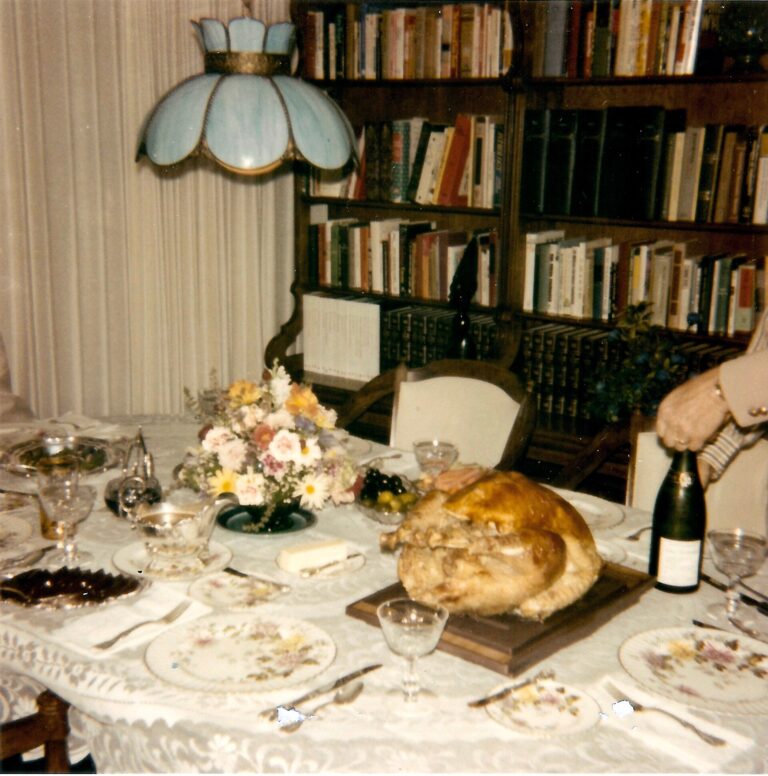
Every Thanksgiving host knows the math problem. The table seats a certain number, the turkey feeds a certain number, and every new name on the list seems to bring three more along with it.
A 43-year-old remarried widow who hosts Thanksgiving dinner for about 15 to 20 family members put that exact problem to advice columnist R. Eric Thomas this week. She wants to invite her late husband’s parents, who she learned spent last Thanksgiving with no holiday meal at all, without also opening the door to his whole extended family. Thomas told her the answer is to be upfront, because limiting the guest list is “just logistics,” not rudeness.
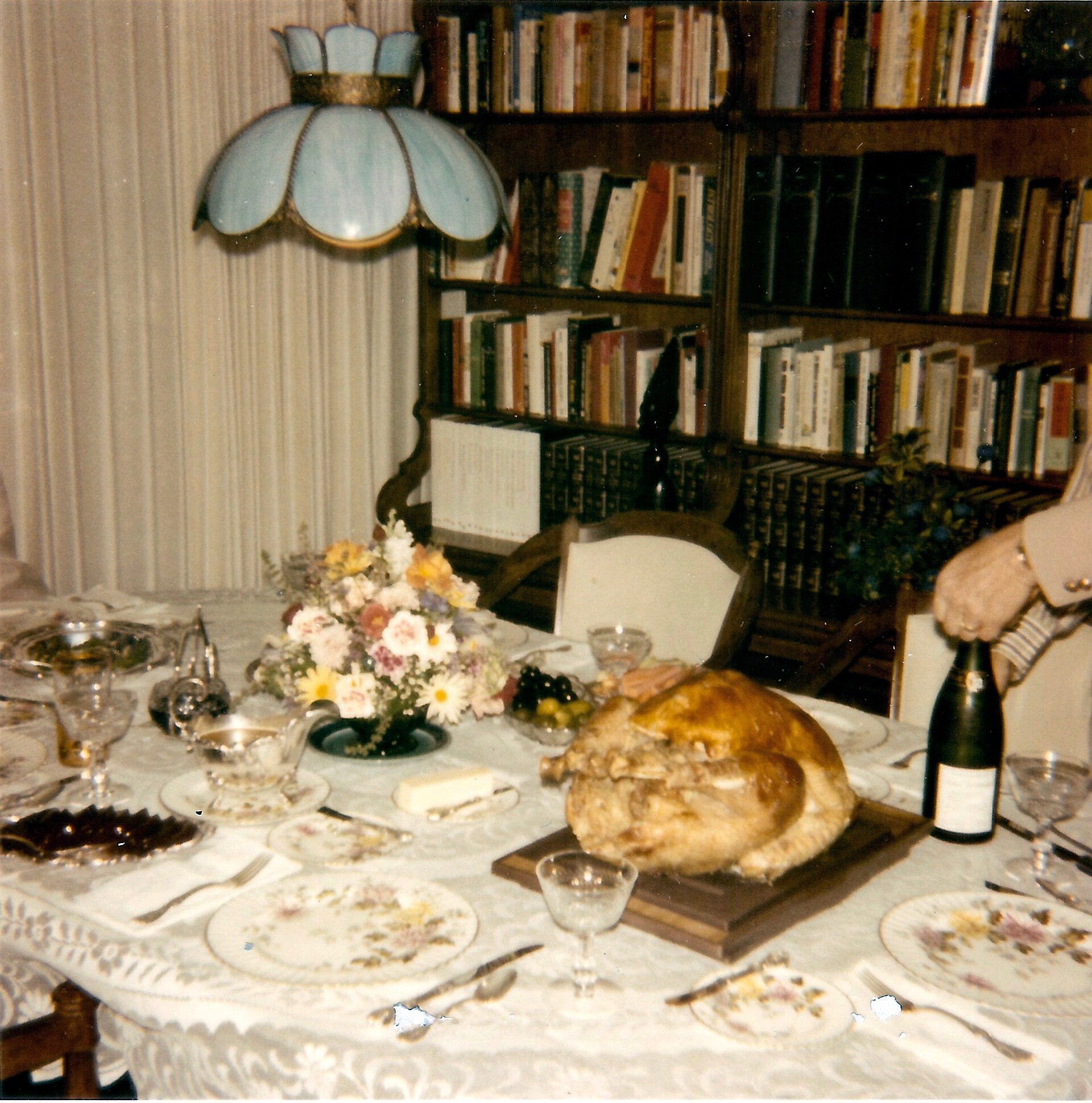
A full table and an empty one
The letter ran in the syndicated Asking Eric column, published Nov. 23, 2026, in The Mercury News. The writer, who signed off as “More,” explained that she does not usually invite her late husband’s parents, even though she has a good relationship with them.
Her reason was practical. She cannot host his entire extended family, and she had assumed the couple spent the holiday with her sister-in-law, who is their only remaining living child. Then she learned last year that the sister-in-law had not hosted or invited them. The couple, in the letter writer’s words, “basically didn’t do Thanksgiving at all.”
That detail is what turned a seating question into something more personal. Thanksgiving is built around the idea of gathering, a tradition that has stretched across centuries of American life, as the long history of Thanksgiving in the United States shows. Plenty of families fold in-laws into the meal without a second thought, and some even carry habits that puzzle visitors, from the parade on TV to the kids’ table, as this look at odd American traditions that confuse the rest of the world points out.
The boundary she needed to set
The hard part was not the invitation itself. It was everything that might come with it. The widow wrote that she could not take on the additional four or five members of her sister-in-law’s family, plus aunts and uncles from that side, because “it’s just too many people.”
She also wanted the in-laws to feel free to go elsewhere if they had other plans, without any hurt feelings on either side. In other words, she wanted to offer a seat, not an obligation.
It is a familiar tension for anyone who has juggled two families at the holidays. Families that split the holidays between in-laws often run into the same snag: one invitation can feel like a promise to everyone. Many families also hold on to small rituals that make a gathering feel like home, the kind described in this piece on the Thanksgiving traditions families share, and older relatives are often at the center of them, as a look at how grandparents make the holidays feel special shows.
Etiquette writers have long said clear expectations make for easier guests and easier hosts. The same idea runs through these simple etiquette tips for a perfect houseguest and a list of old-school etiquette rules that have disappeared. Keeping the holiday pace manageable is part of a host’s job as well, a theme in this piece on getting through the holiday season without burning out.
Eric Thomas: say it plainly
Thomas, a writer who also runs a weekly newsletter through his own website, answers reader letters about family, friendship and etiquette. His column is also carried by papers including the Loveland Reporter-Herald. He did not see a problem with being direct, and wrote that it was fine for her to be “completely upfront” about what she was thinking and what she could not do. “This isn’t rude; it’s just logistics,” he said.
He suggested she could mention that she had wanted to invite them before but had assumed they already had plans. The key, he wrote, is “setting it up as an option with no strings attached.” If she regrets not being able to host more people, she can say that too.
His sample wording kept the offer simple: a warm invitation if they had no other plans, a note that there was “room for two more” and that saving those seats for them would be an honor, and a kind word if they chose to eat elsewhere. That last part matters, since it lets the in-laws say no without anyone losing face.
Why a set number works at the table
There is a reason “two more” lands better than an open-ended invitation. A host feeding 15 to 20 people is already planning portions, chairs and oven time down to the last dish. A specific number tells the guests exactly what is being offered and quietly answers the question of whether cousins can tag along.
The cost side is real, too. The American Farm Bureau Federation’s 2026 survey found that a classic Thanksgiving dinner for 10 people averages $58.63, or about $5.86 per person, up 6% from 2025. A 16-pound frozen turkey alone averaged $23.68. Two extra plates barely move that number. Five or six more, plus their side dishes and chairs, start to change the whole menu.
What two seats can mean to the in-laws
For the in-laws, the invitation may mean more than a plate of turkey. They lost a son, and last year they spent the holiday without a family meal. Being asked back to a busy, familiar table can carry real weight for a couple still adjusting to a smaller family circle.
Thomas’s advice leaves room for that warmth without overloading the host. The widow keeps her table at a size she can handle. Her late husband’s parents get a clear, kind invitation they can accept or decline. And no one is left guessing whether a crowd is welcome to follow.
Why the letter struck a chord
The question is a common one in blended and remarried families, where holiday guest lists can span two or three family trees. Hosts often worry that drawing any line will look cold. Thomas’s reply suggests the opposite: a specific, generous offer with a clear limit is often kinder than a vague one, because everyone knows where they stand.
For this host, the plan comes down to a short phone call or a note before Thursday. Two chairs, two plates and an honest explanation. Holiday tables have been built on less.
This article was produced with AI assistance and edited for accuracy against the sources linked above.