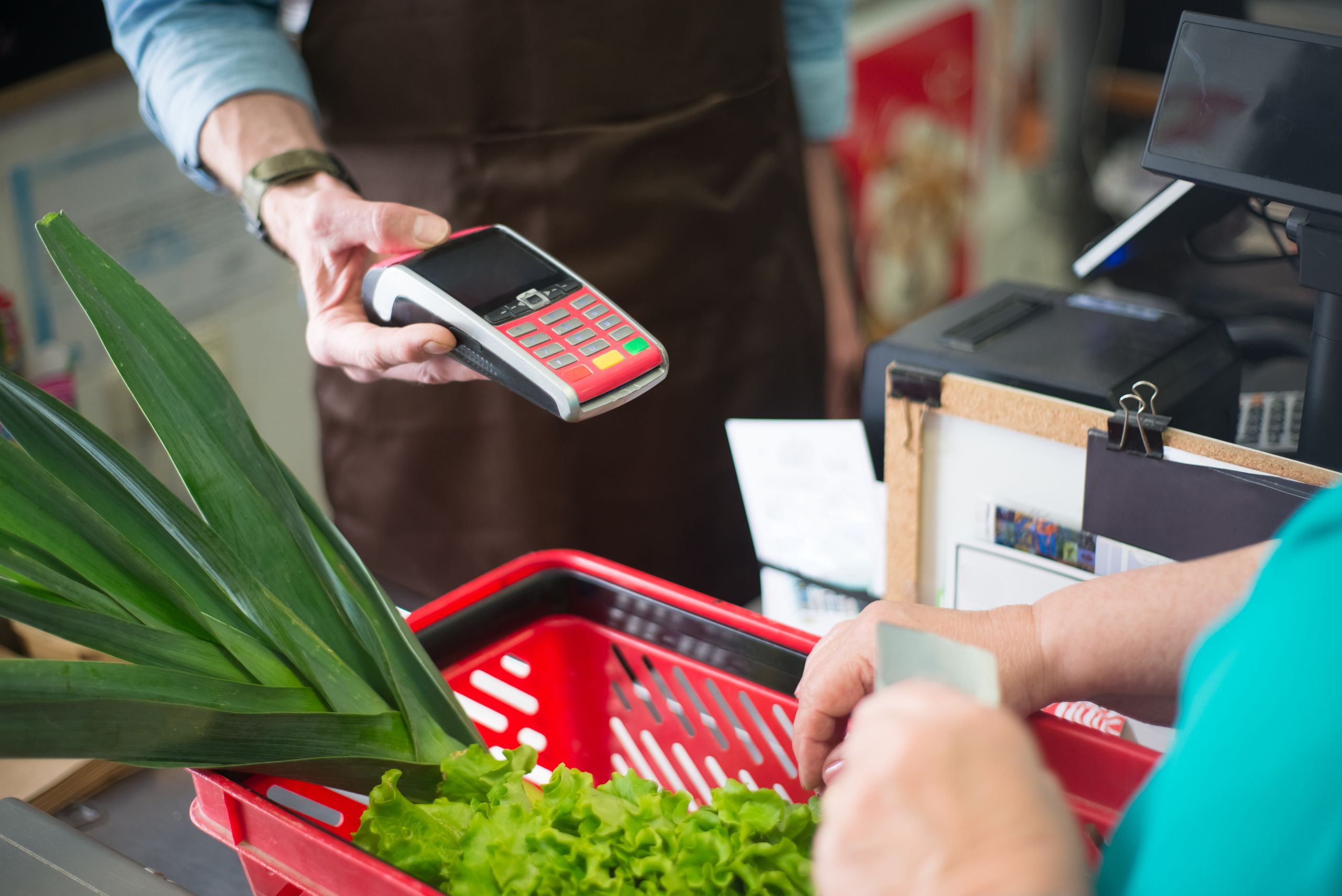
A cart full of milk, bread, eggs and ground beef rings up at the register, and then one more line shows up at the bottom of the receipt. In most of the country, that line reads zero on groceries. In a handful of states, it does not.
Groceries still carry a statewide sales tax in 8 states, according to a Kiplinger guide updated Nov. 22, 2026: Alabama, Hawaii, Idaho, Mississippi, Missouri, South Dakota, Tennessee and Utah. The rates run from Missouri’s 1.225% up to Idaho’s full 6%, and local taxes can push the total higher still.
Idaho, Mississippi and Tennessee: 4% to 6%
Kiplinger’s state-by-state list shows Idaho with the highest rate of the group. The state taxes groceries at its full 6% sales tax rate, though it offers a grocery tax credit that Kiplinger says averages $155 for most residents, citing the Idaho State Tax Commission. Families there can read up on how Idaho shoppers claim the food tax credit or refund.
Mississippi comes next. The state has cut its grocery tax from 7% to 5%, and Kiplinger reports a newer measure is set to keep lowering it by 0.2% a year until it reaches 2.5% by 2036.
Tennessee’s state tax on groceries is 4%, and local jurisdictions can add up to 2.75% on top. Tennessee families once got a three-month break from the state food tax, and Kiplinger notes that eliminating the 4% rate for good could save the average family up to $400 a year. Every one of those dollars matters when prices keep climbing, which is why lists of grocery prices that may surprise Americans in 2026 get so much attention.
Hawaii, South Dakota and Utah: 3% to about 4.7%
Hawaii technically has no sales tax. Instead, the Hawaii Department of Taxation charges a general excise tax of 4% on most business activity, and counties can add a surcharge. Businesses may pass the tax along to customers at a maximum rate of 4.712% in Honolulu, Kauai, Maui and Hawaii counties, and it applies to groceries. Eligible residents can claim a state grocery tax credit, though Kiplinger notes income limits apply.
South Dakota’s state sales tax rate is 4.2%, according to the South Dakota Department of Revenue, and that rate covers groceries. Kiplinger explains the rate was trimmed from 4.5% under a temporary cut that took effect July 1, 2023, and that efforts to repeal the grocery tax there have so far failed.
Utah charges a combined 3% on groceries statewide, of which the state’s own portion is 1.75%, according to Kiplinger. A push to drop that state share failed in recent years, so Utah families looking for ways to save money fast still have to factor the tax into the weekly food bill.
For travelers, the patchwork can come as a surprise at the register. Prices on American shelves rarely include tax at all, one of the odd American traditions that confuse the rest of the world, so a road-tripper stocking up on snacks in Memphis or Boise may notice a bigger total than back home. Budget-minded families often build that into frugal living habits that start at the grocery store.

Alabama and Missouri: 2% and 1.225%
Alabama has cut its grocery tax twice. The Alabama Department of Revenue’s rate table shows the state food and grocery rate at 3% from Sept. 1, 2023, through Aug. 31, 2025, and 2% effective Sept. 1, 2025. The general state sales tax remains 4%. The cut does not touch local taxes, so in places with a 10% combined rate, such as Montgomery, shoppers still pay about 8% on groceries, Kiplinger says.
Missouri has the lowest statewide grocery rate of the 8. The Missouri Department of Revenue explains that state law cut the rate on food by 3%, from 4.225% to 1.225%, for items that can be bought with food stamps, including seeds and plants for growing food at home. All local sales taxes still apply, and Kiplinger notes local rates alone can top 8% in parts of the state.
States that recently dropped the tax
The list has been shrinking. Kiplinger reports that Arkansas ended its state sales tax on groceries as of 2026; its former 0.125% rate had been the lowest in the country. Illinois eliminated its 1% state tax on groceries on Jan. 1, 2026, though local governments may impose a 1% tax by ordinance, and the break does not cover soft drinks, candy or food prepared for immediate consumption.
Kansas eliminated its grocery tax in January 2025 after phasing it down, and Oklahoma ended its 4.5% statewide grocery tax on Aug. 29, 2024, though local taxes still apply there. In Arizona, which has no statewide tax on groceries but does allow city food taxes, voters approved Proposition 316 on Nov. 3, 2026, capping local grocery taxes at 2% and freezing higher existing rates.
Those changes show up in household math quickly, since even a 1% rate adds a dollar to every $100 of food.
What the tax does not cover
One rule holds in every state. Purchases made with SNAP benefits are exempt from sales tax under federal law, according to the overview of sales taxes in the United States. That means a SNAP household in Idaho or Tennessee pays no tax on the portion of a grocery bill covered by benefits, though any part paid with cash or a card is taxed normally.
Prepared food is another matter. Many states that exempt groceries still tax hot deli meals, restaurant food and items like candy or soda, so the line between a taxed and untaxed item can change from one aisle to the next. For shoppers in the 8 states still taxing groceries, checking the state revenue department’s rules, and any grocery credit available at tax time, is the surest way to get some of that money back.
This article was produced with AI assistance and edited for accuracy against the sources linked above.