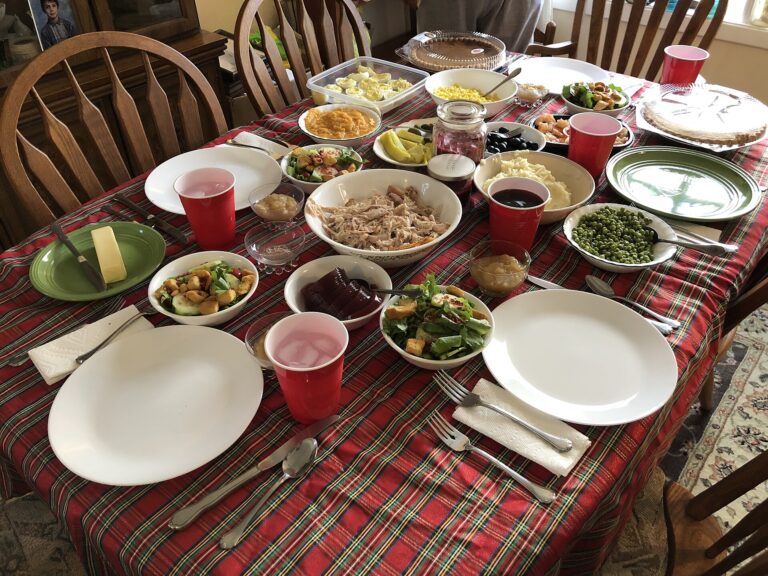
The turkey is carved, the gravy boat is making its rounds, and someone at the end of the table holds up a phone to film the whole thing. For one Thanksgiving host this year, that moment is exactly what will not be happening at the table.
A reader hosting Thanksgiving told Slate’s Dear Prudence on Nov. 23, 2026, that the household has banned recording the holiday meal on phones, and the family pushed back hard. Given the reaction from the kids and extended family, the host wrote, it was as if the couple had “dropped a bomb.”
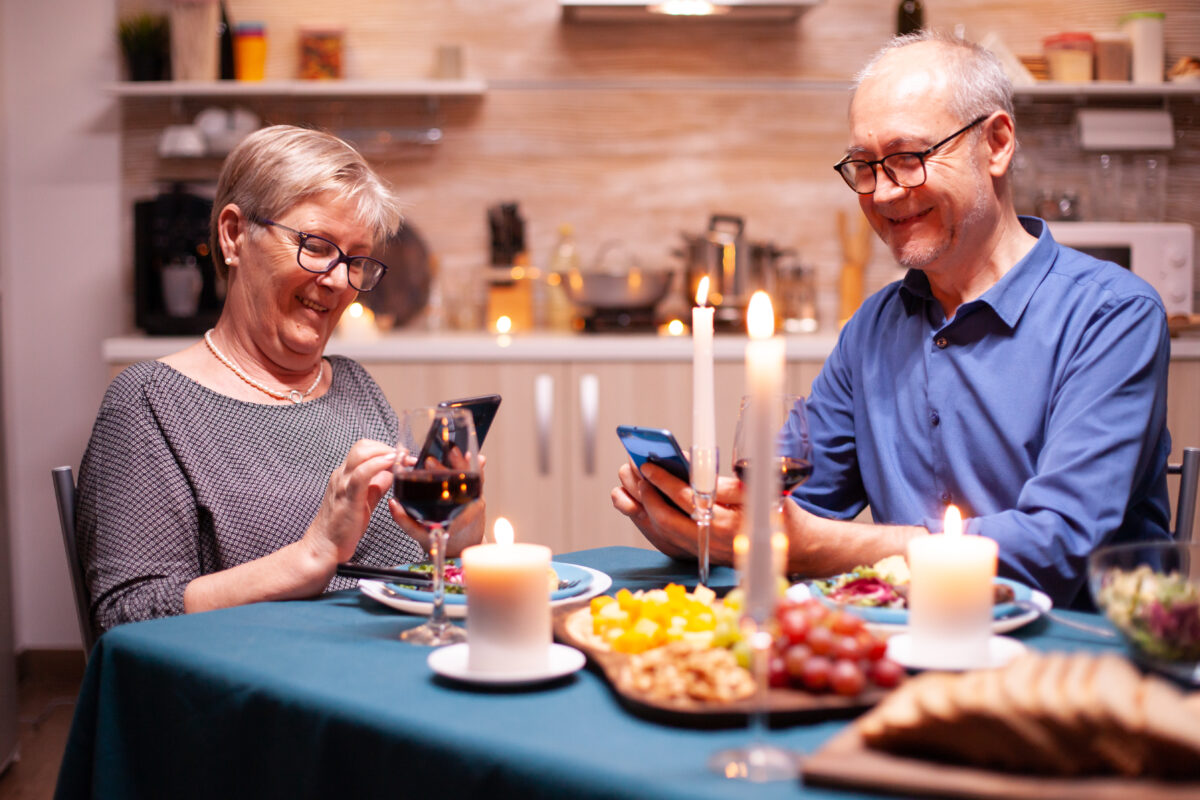
The Host’s New Rule for Thanksgiving
In the Dear Prudence letter, answered by columnist Jenée Desmond-Harris, the writer explains that the host and her husband value their privacy. With the couple hosting Thanksgiving this year, they decided there would be no recording of the event on phones.
The rule came with one carve-out, and it was a nostalgic one. The host told the in-laws they could bring regular cameras, but the holiday would not end up on display in what the letter called “the digital public square.”
A camera at the table is its own small throwback. Before phones, a relative with a film camera might shoot a roll over the whole weekend, and the prints showed up weeks later. That slower rhythm belongs with the old-school etiquette rules that have quietly disappeared, and it is clearly the feel this host wants back for one afternoon a year.
The host also framed it as a matter of table manners, writing that it is not very courteous for a guest to have a face “buried in a screen at the dinner table” instead of talking with family and friends. The letter closed by asking whether it was so wrong to want a meal focused on each other “and not on likes.”
Why the Family Pushed Back
Phones are a fixture at holiday tables now. Pew Research Center reports that 98% of U.S. adults own a cellphone of some kind and 91% own a smartphone, up from 35% in its first smartphone survey in 2011. For relatives used to sharing, snapping the turkey or a video of grandparents at the table has become part of the holiday itself.
That helps explain the reaction. According to the letter, the kids and the wider family responded as if the hosts had made a shocking announcement. Pulling phones out of the day, even just their cameras, can feel like changing the tradition, and Thanksgiving is a holiday built on tradition, from the harvest feast and football to the Macy’s parade. It also ranks among the odd American traditions that confuse the rest of the world, and photographing every plate is one of its newer habits.
Hosting rules are a well-worn source of friction. Sister sites have covered the holiday houseguest rules from the Emily Post Institute, the etiquette of being a good houseguest, and the growing list of states with school cellphone rules, a sign that classrooms are rethinking phones too. A slower approach to the pace of the holidays is part of the same idea.
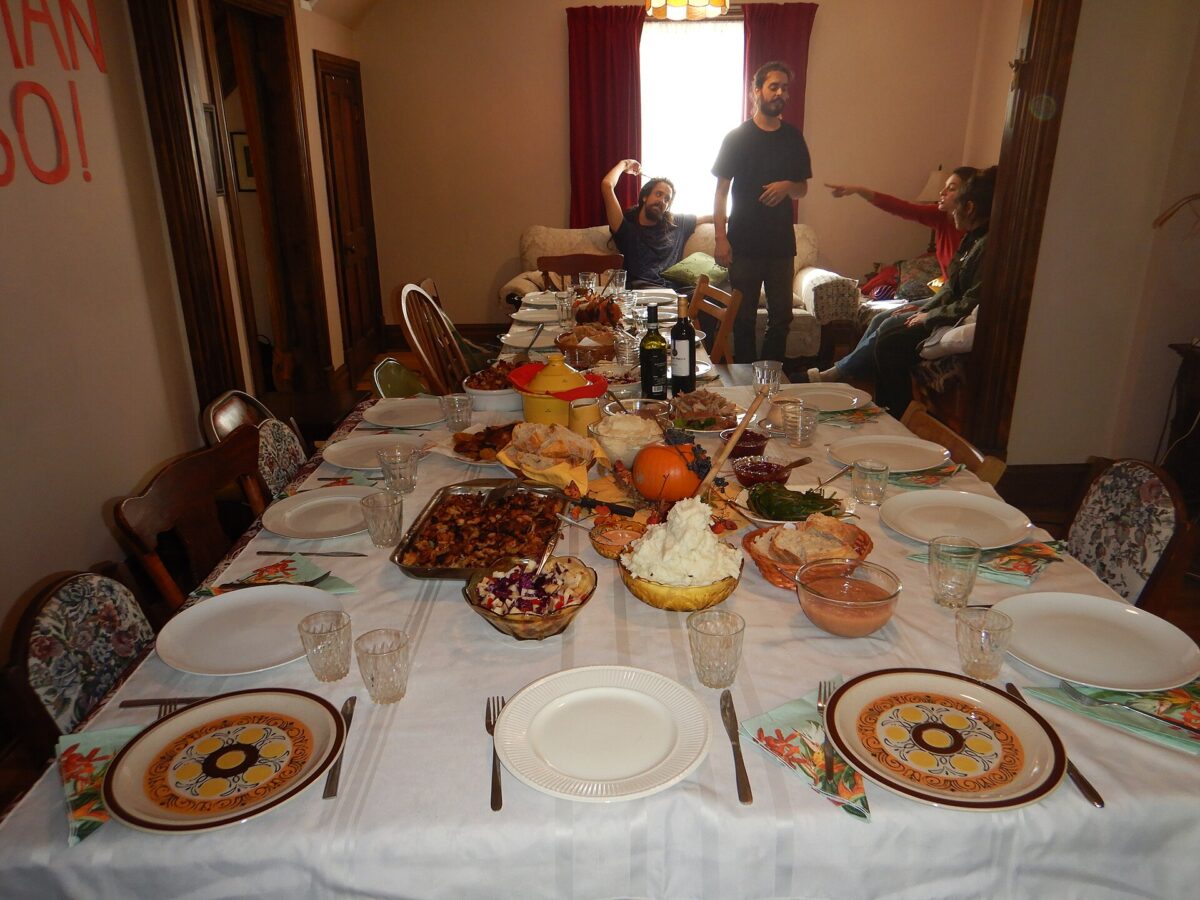
What Dear Prudence Said
Desmond-Harris admitted the letter stumped her. She said she dislikes the idea that anyone could end up on someone else’s Instagram or TikTok at any moment, and that asking for a break from that seems reasonable.
But she also said the approach went too far. Handling guests “like a class full of middle school students” who will get detention for pulling out a device, she wrote, is “decidedly non-festive.” If the rule was introduced with a lecture on phone use, she added, it probably came across as controlling.
A Softer Way to Ask
Her fix was to go back to the relatives in a non-adversarial way and present the idea as a favor instead of a demand. She suggested dropping phrases that announce a decision or hand out permissions, and replacing them with openers that float an idea or ask how everyone would feel about a quieter, old-school holiday. Delivery, she wrote, will be key.
She also recommended narrowing the request. Instead of banning phones outright, the host could simply ask people not to make or share videos from the day. If guests agree to a phone basket at dinner, she said, it is wise to let small things slide, such as checking the time, the weather or the news, snapping a couple of photos, or touching base with a loved one during downtime.
That lines up with longtime etiquette advice. The Emily Post Institute’s cell phone manners tell people to be courteous to those they are with and turn off a phone if it will interrupt a conversation or activity.
Keeping the Focus on the Meal
Desmond-Harris closed by pointing back to the host’s own goal: a meal where everyone focuses on each other. She called the requests reasonable and said they come from a good place, but warned against pushing them so hard that they defeat the purpose of the gathering. Dear Prudence, Slate’s advice column, landed on a middle ground here: the host keeps the goal and changes the approach.
With Thanksgiving on Thursday, Nov. 26, the advice comes just in time. A host can still ask for a camera-free table. The trick, according to Prudie, is asking in a way that keeps guests glad they came, so the conversation stays on the stuffing and the stories rather than on the rule.
This article was produced with AI assistance and edited for accuracy against the sources linked above.