Getting sick in the 1980s came with one unexpected bonus for schoolchildren: a day away from homework, classroom noise, and early morning alarms. Of course, having a fever or a miserable cold was no fun, but staying home often meant spending the day doing things that would have been impossible during a normal school week. There were no smartphones, streaming services, or endless online videos to keep everyone entertained, so children found other ways to pass the time.
From watching daytime television to sipping soup while wrapped in a blanket, sick days had their own little routines. Here are seven things many American children remember doing when illness kept them away from school.
Watching Daytime Television
For many children, daytime television was the biggest attraction of staying home. Instead of cartoons before school or Saturday morning programming, they suddenly had access to shows that were usually reserved for adults and people at home during the day.
Soap operas, game shows, reruns, and daytime talk programs often filled the television schedule. Children might not have understood every storyline, but that rarely stopped them from watching. Finding something entertaining between naps became part of the adventure.
Drinking Ginger Ale and Eating Saltine Crackers
A sick day often came with a familiar combination of ginger ale and saltine crackers. Parents frequently offered these simple foods when children complained of nausea or had little appetite.
Ginger ale was popular as a comforting drink, while plain crackers were easy to nibble on when a full meal seemed unappealing. Some families also kept chicken soup nearby for children dealing with colds or sore throats. The combination became such a familiar childhood memory that many adults still associate it with being home sick.
Sleeping on the Living Room Couch
Being sick sometimes meant moving from the bedroom to the living room couch. Parents could keep an eye on their children while getting on with household responsibilities, and the television was usually within easy reach.
A pillow, an old blanket, and a box of tissues could turn the couch into a temporary recovery station. Children often drifted between watching television, sleeping, and asking for something to drink. It was not exactly a luxury vacation, but it felt different from an ordinary school day.
Reading Comic Books and Children’s Magazines
When television became boring, comic books and magazines offered another way to pass the hours. Children might reach for Archie comics, Highlights for Children, MAD magazine, or whatever reading material happened to be lying around the house.
Unlike watching television, reading allowed children to entertain themselves quietly without disturbing anyone. Some would spend hours flipping through familiar stories and puzzles, especially when they were too tired to do much else. A sick day could easily become an unexpected reading marathon.
Playing With Toys While Resting
Not every child spent the entire day sleeping or watching television. Those feeling well enough to sit up often brought their favorite toys to the couch or bedroom.
Action figures, dolls, building blocks, and coloring books provided simple entertainment without requiring much energy. Some children even used their sick days to play with toys they normally had to put away before school. The only rule was usually to stay comfortable and avoid making themselves feel worse.
Listening to the Radio or Cassette Tapes
Before music and entertainment became available at the touch of a screen, radios and cassette players were familiar household companions. Children who were too tired to watch television could listen to music, storytelling programs, or radio shows.
Some had favorite cassette tapes they played repeatedly, while others enjoyed listening to whatever station their parents had tuned in. It was a quieter form of entertainment, particularly useful when a headache made staring at the television uncomfortable.
Enjoying Extra Attention From Mom or Dad
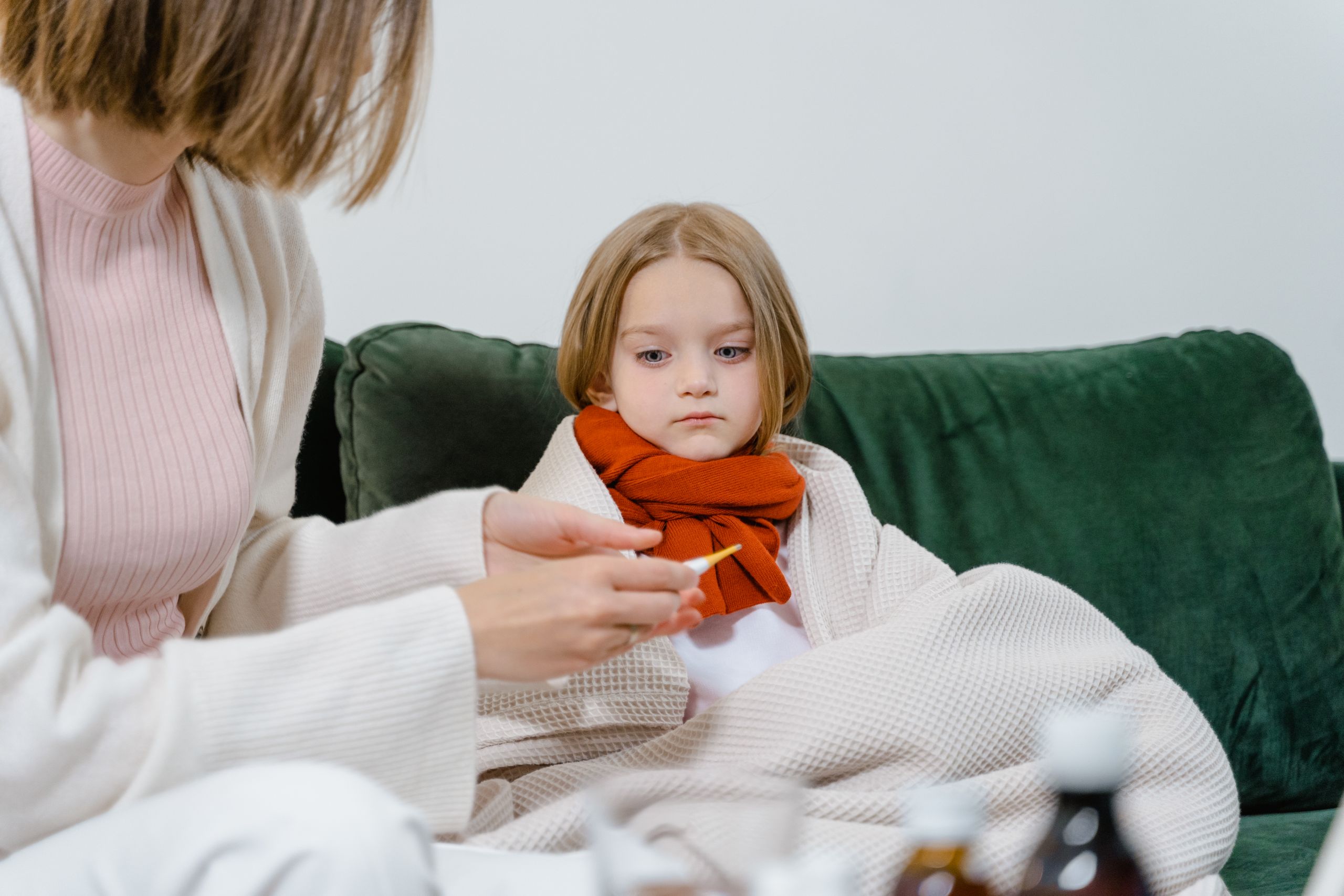
Perhaps the most memorable part of a childhood sick day was getting extra attention from a parent. Someone might bring a glass of water, prepare a warm meal, check a temperature, or sit beside the bed for a little while.
Parents often made small gestures that children remembered long after recovering. Getting permission to sleep longer, having lunch brought to the couch, or receiving a favorite snack could make an otherwise miserable day feel special. Even a simple check-in from Mom or Dad offered reassurance when being sick felt lonely.
Sick Days Were a Different Kind of Childhood Break
Being home sick in the 1980s was certainly not something children looked forward to when they were feeling miserable. Still, the slower pace, familiar television programs, and extra parental attention created routines that many adults remember fondly.
Today, children can spend sick days watching streaming services, playing video games, or chatting with friends online. Back then, entertainment was simpler, and sometimes the biggest excitement was discovering what was on television at 10 in the morning.
Funny how a day spent coughing under a blanket can become such a treasured childhood memory.