Americans may worry about empty grocery shelves, rising food prices, or contaminated products, but there is another threat that could disrupt the country’s food supply: cyberattacks. A new report from the Government Accountability Office (GAO) warns that weaknesses in the cybersecurity systems protecting America’s food and agriculture sector could leave it vulnerable to serious disruptions.
The report, published November 19, 2026, points to gaps in federal preparedness, information sharing, and emergency planning. With farms, food processors, and distributors increasingly dependent on technology, a cyberattack could affect much more than computers. It could interfere with how food is produced, processed, and delivered to grocery stores.
Why America’s Food Supply Is Vulnerable to Cyberattacks
Modern agriculture relies on technology for everything from automated farm equipment to food processing and distribution systems. While these tools make operations more efficient, they also create opportunities for cybercriminals to interfere with essential services.
GAO warns that attacks such as ransomware could disrupt food production, compromise food safety, and weaken public confidence in the food supply. A successful attack does not necessarily have to target a grocery store to affect shoppers. Disrupting a major processor or supplier could have consequences throughout the supply chain.
The report points to a 2021 ransomware attack on global meat processing company JBS as an example. The incident forced the company to shut down some of the world’s largest slaughterhouses and contributed to meat supply shortages in the United States and other countries.
USDA and FDA Have Not Addressed Every Security Requirement
Two federal agencies have major responsibilities for strengthening cybersecurity across the food and agriculture sector: the U.S. Department of Agriculture (USDA) and the Food and Drug Administration (FDA).
Under requirements established by the Fiscal Year 2021 National Defense Authorization Act, the agencies were expected to address 16 cybersecurity requirements across six categories. GAO found that although they had fulfilled most of them, five requirements were only partially met or had not been met.
The outstanding areas include sharing information about cyber threats and preparing for emergencies. These are particularly important because agencies need to communicate potential threats quickly and have clear plans for responding when attacks happen.
Staff Shortages and Limited Resources Are Making Things Harder
The report also identifies a practical problem behind some of the cybersecurity gaps: the agencies say they do not have enough staff and resources to complete all the required work.
USDA and FDA reported that these limitations had affected their ability to meet certain cybersecurity responsibilities. GAO says both agencies should assess whether existing resources can be reprioritized or whether additional funding and staffing are necessary.
Without sufficient support, agencies may struggle to provide the guidance and assistance food businesses need to protect their operations. A disruption affecting one major part of the supply chain could have wider economic and environmental consequences.
GAO Wants Federal Agencies to Improve Emergency Planning
GAO has issued five recommendations, three directed at the Department of Health and Human Services, which oversees the FDA, and two directed at USDA.
The recommendations include improving the sharing of cybersecurity threat information with the Cybersecurity and Infrastructure Security Agency (CISA). They also call for more emergency preparedness exercises, simulations, and planning documents outlining how agencies should coordinate their response to major cyber incidents.
HHS agreed with its recommendations, while USDA disagreed with its two recommendations and asked GAO to remove or redirect them. GAO maintained that the recommendations were necessary. All five remained open when the report was published.
What This Could Mean for American Shoppers
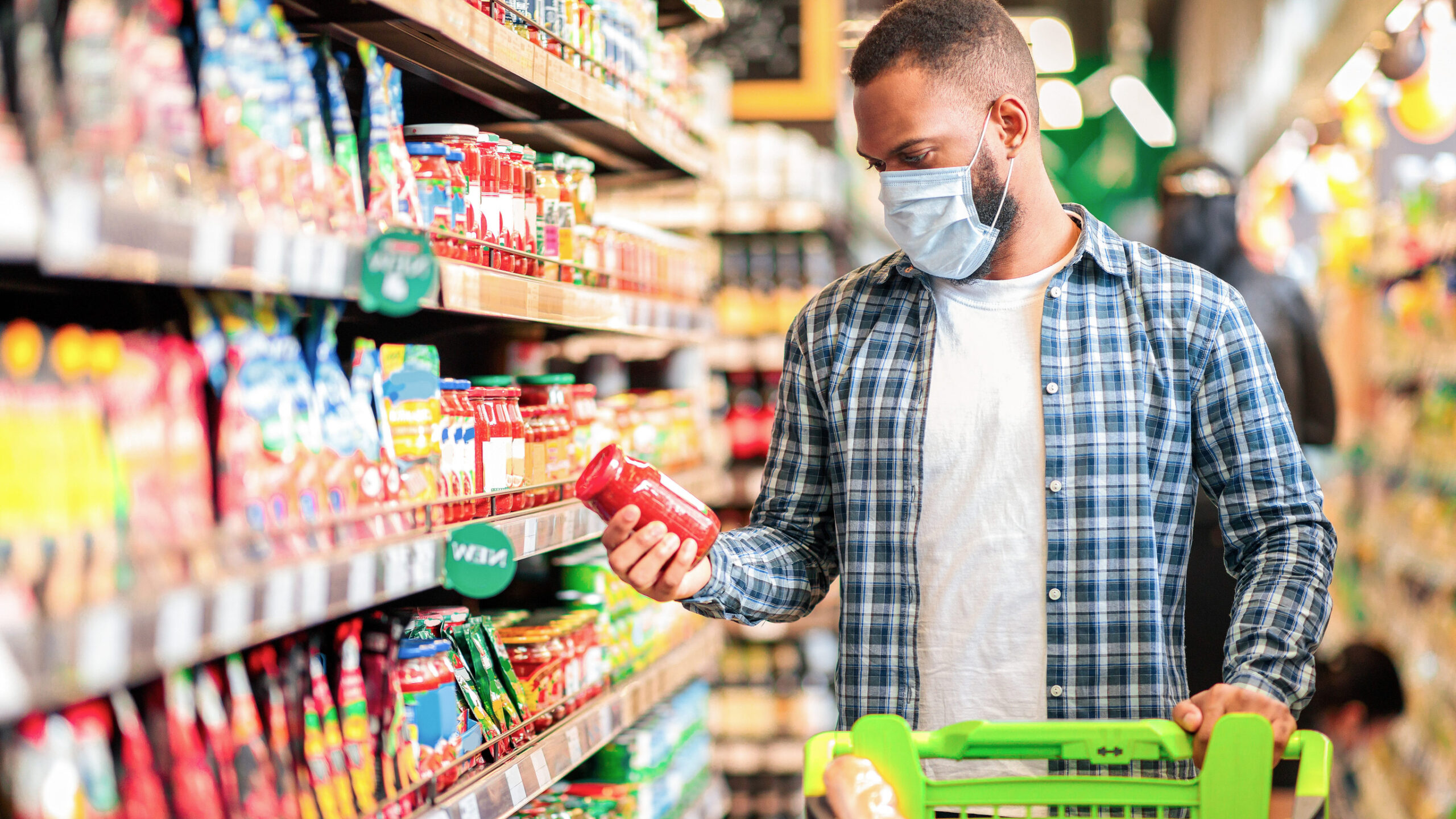
A cyberattack on the food industry does not automatically mean grocery stores will run out of food. However, disruptions at farms, processing facilities, or distribution companies could make certain products harder to obtain and affect how quickly supplies reach retailers.
There are also food safety concerns. GAO warns that cyber incidents could interfere with systems responsible for producing and handling food, potentially resulting in unsafe products reaching consumers.
The report does not predict an imminent attack or a nationwide food shortage. Instead, it highlights weaknesses that need attention before a serious incident occurs. For American shoppers, the message is straightforward: protecting the food supply now also means protecting the technology and systems that keep it running.